
Last updated November 15, 2026
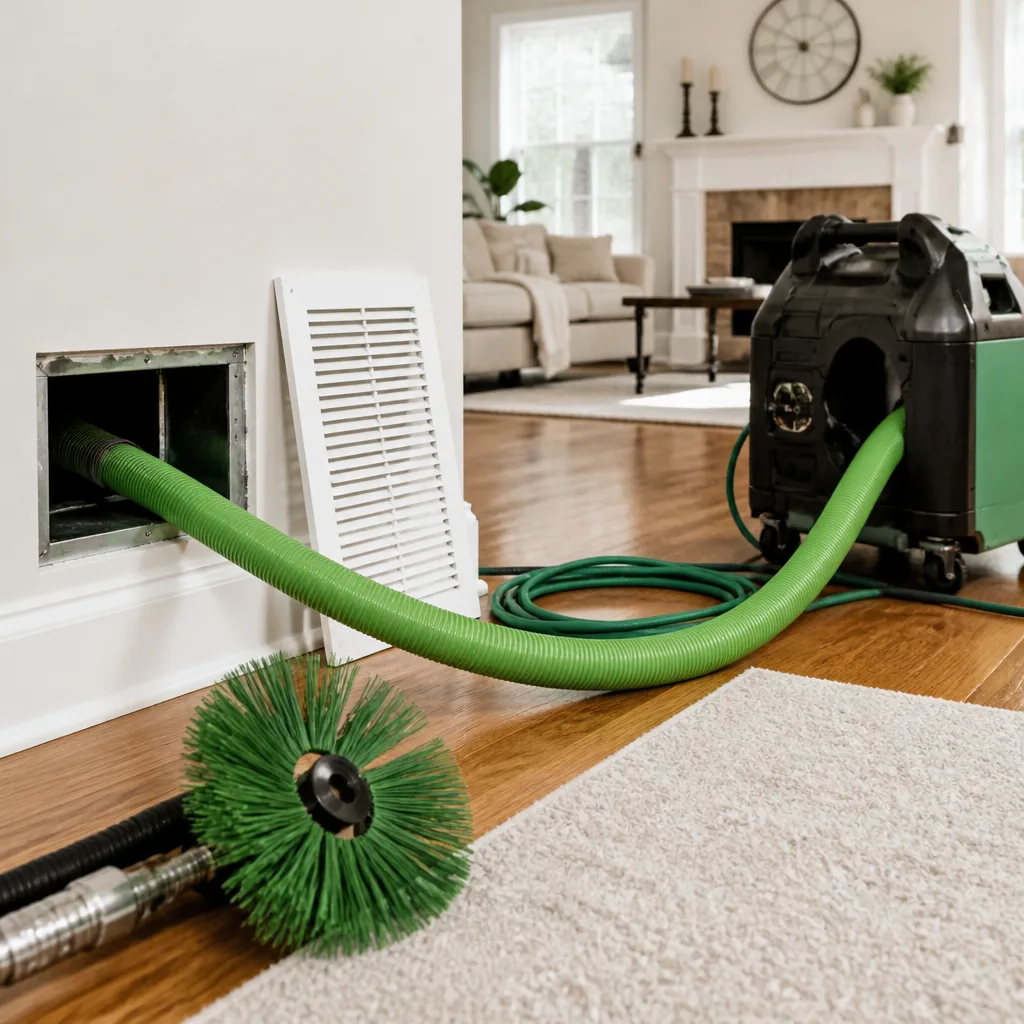 Whole-home duct cleaning
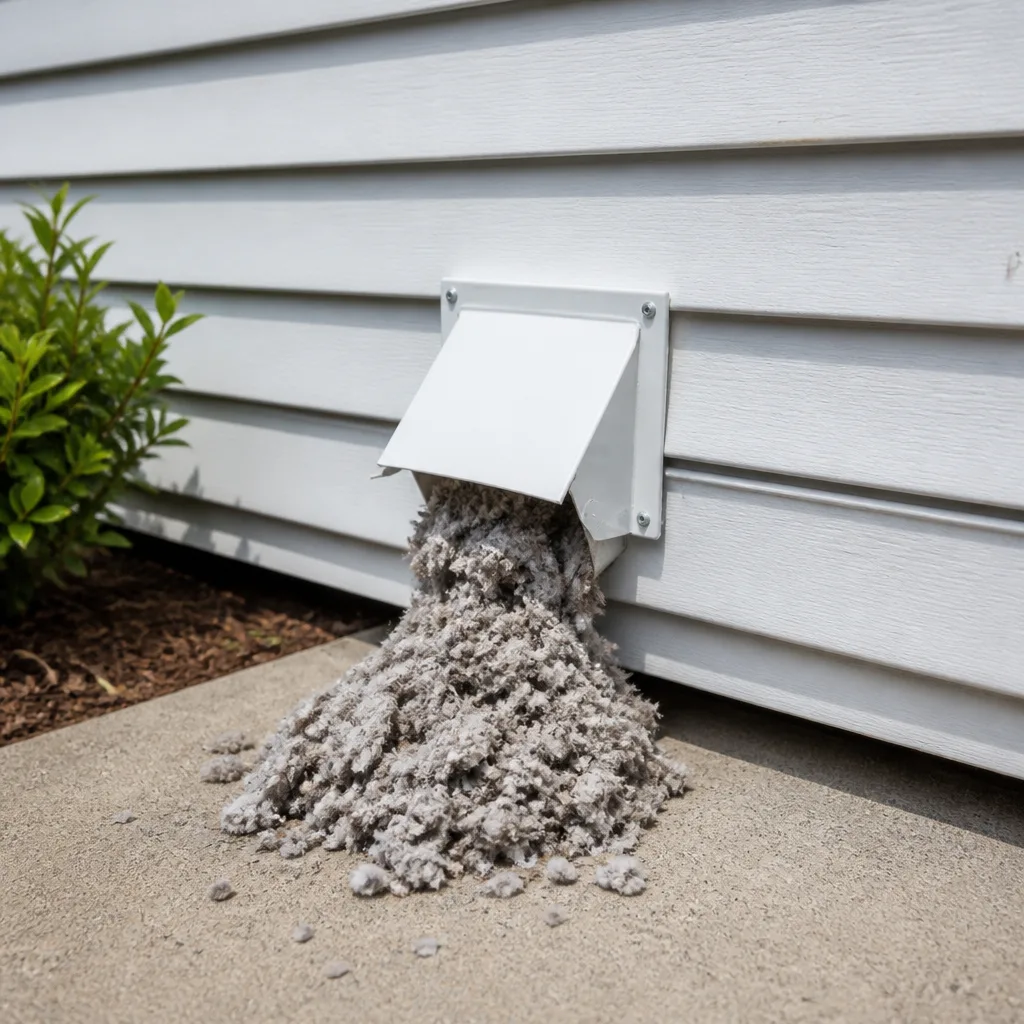 Dryer vent cleaning
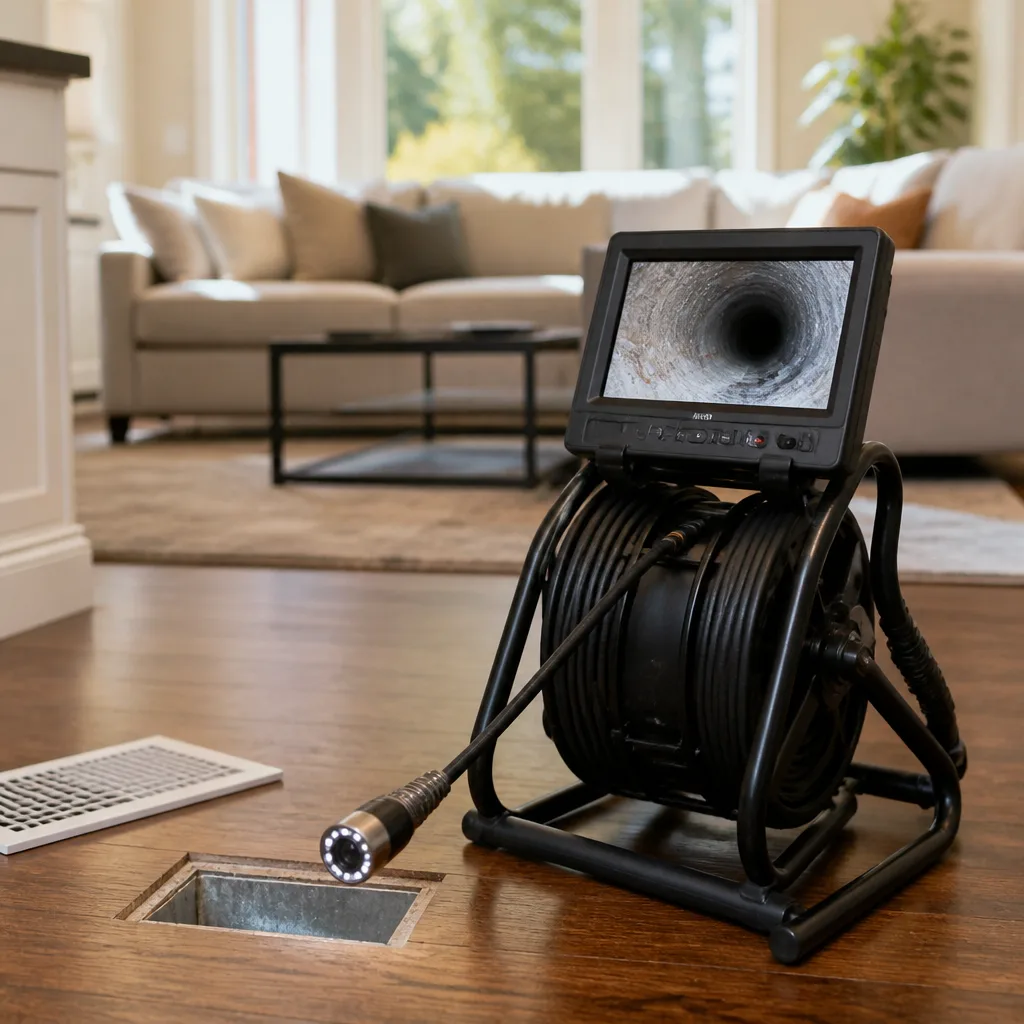 Camera inspection
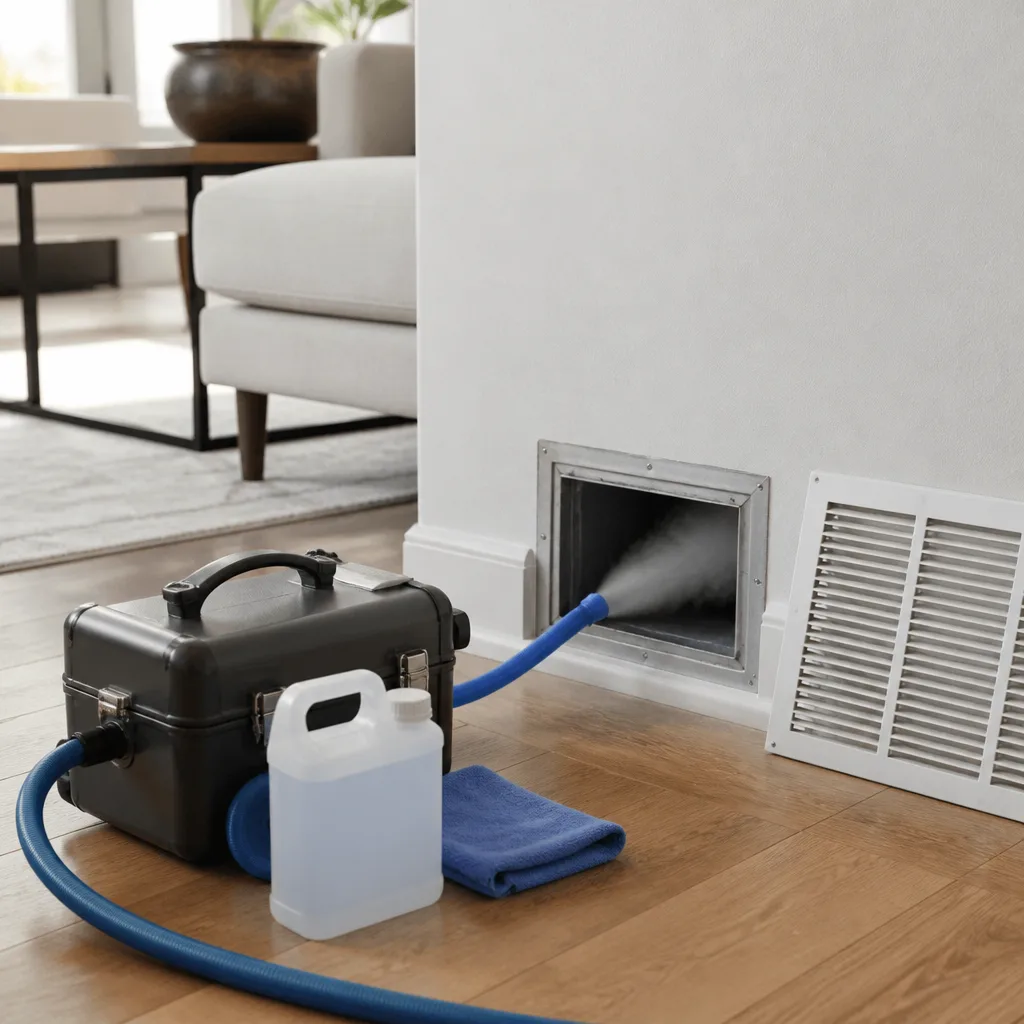 Sanitizing & deodorizing
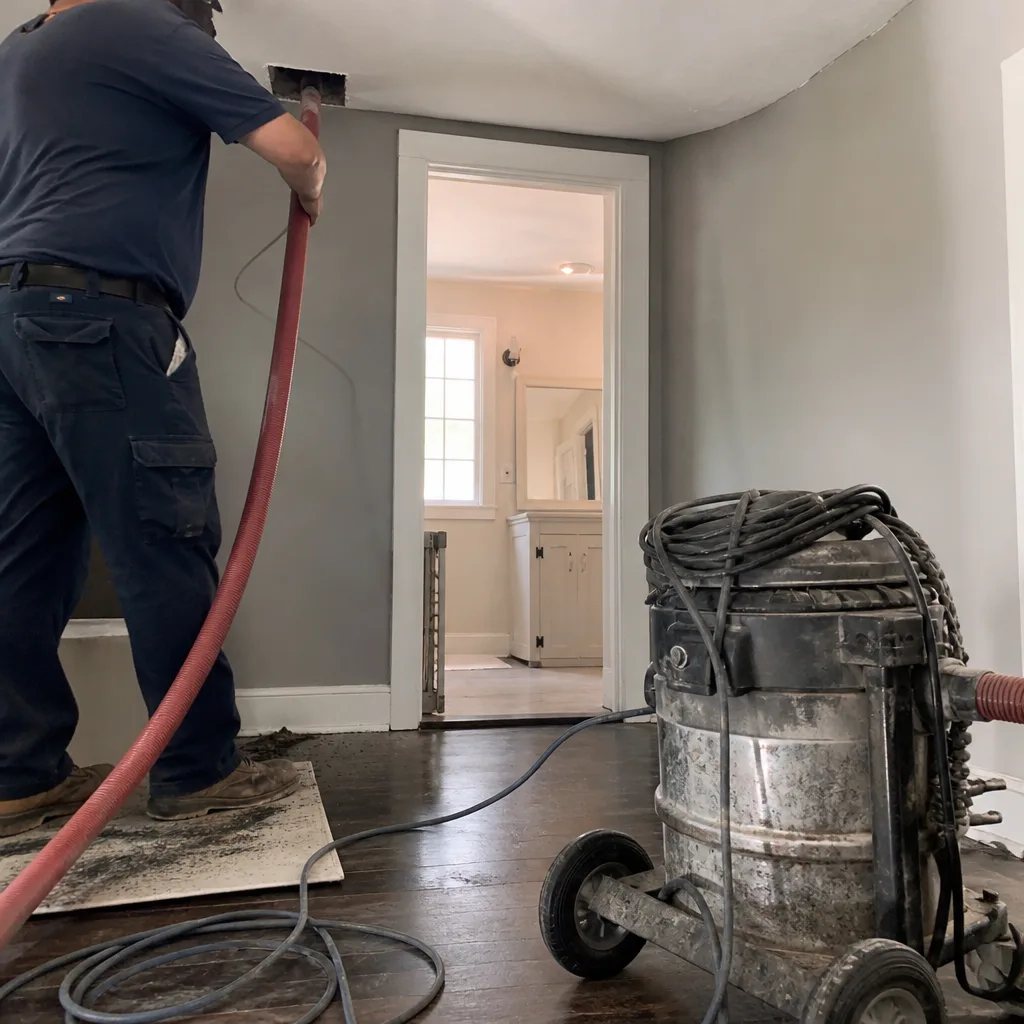
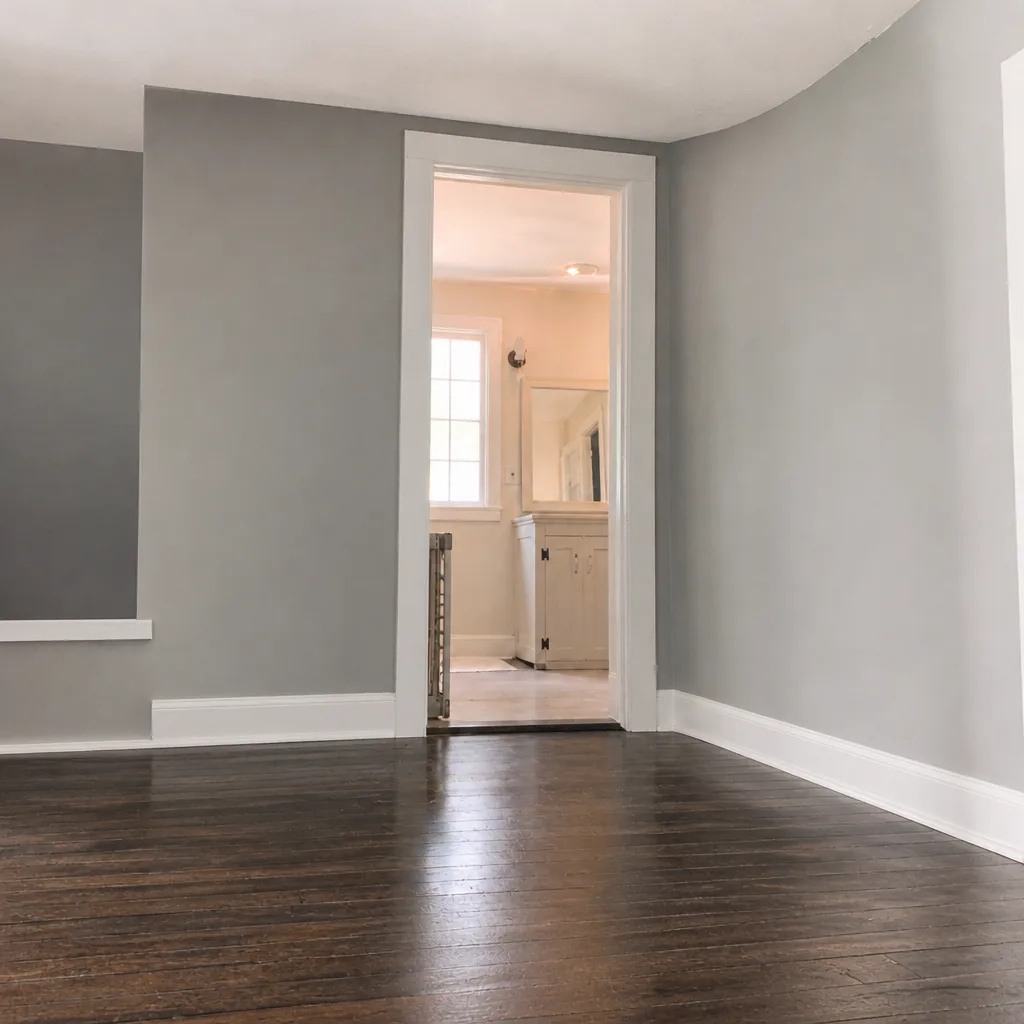
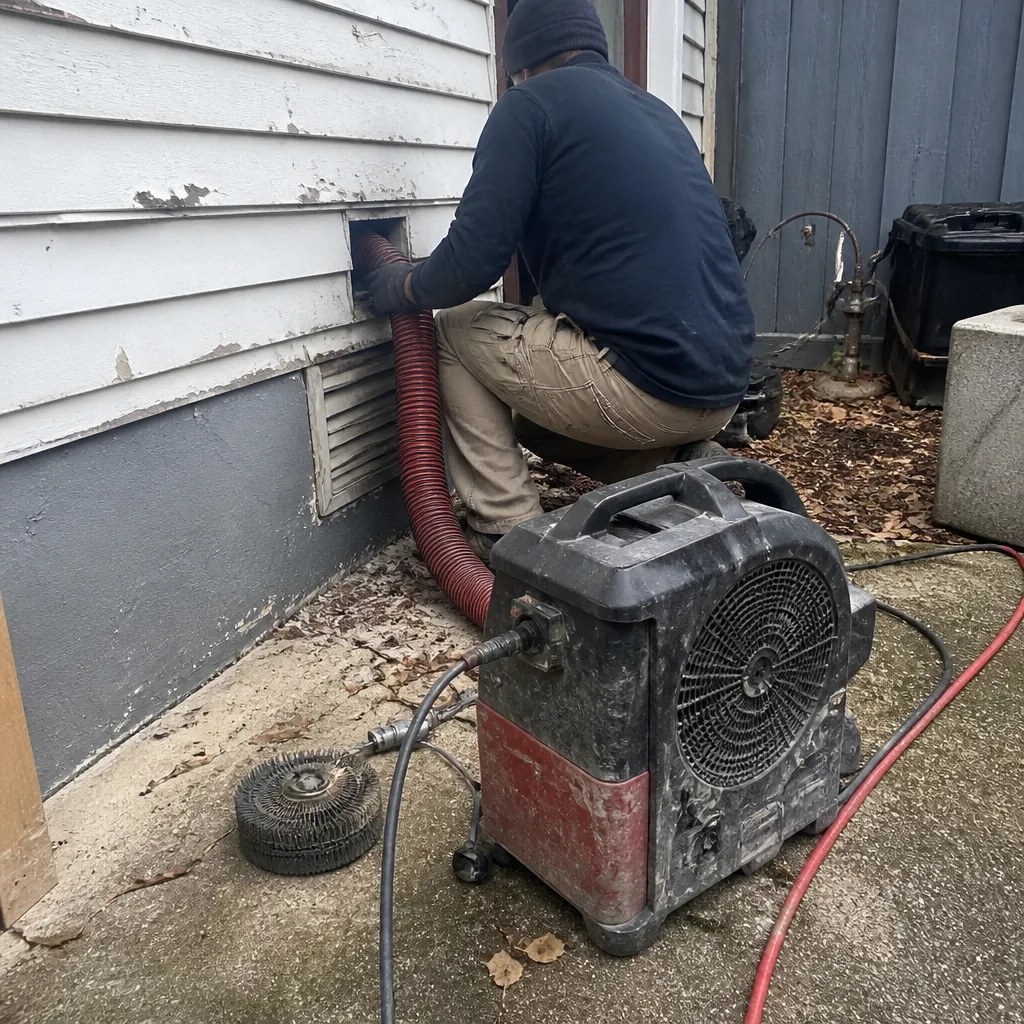
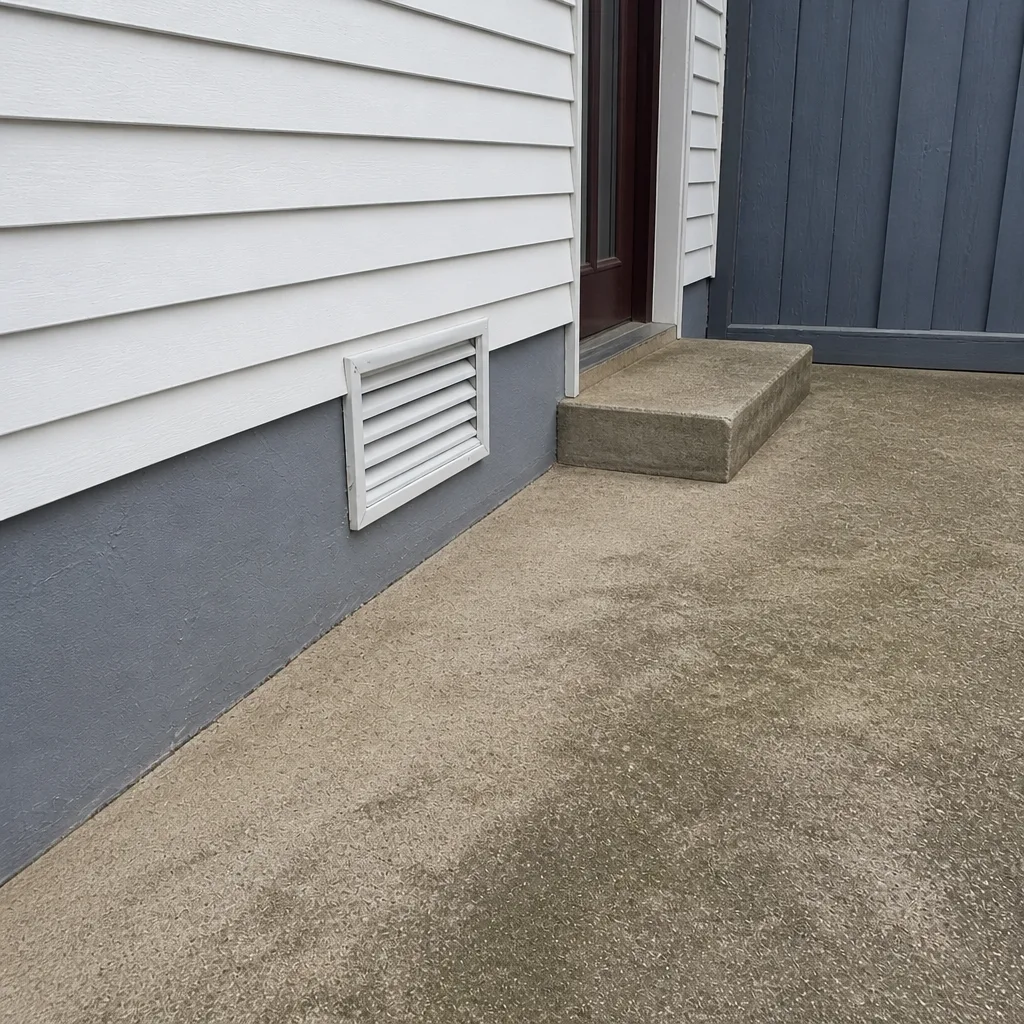
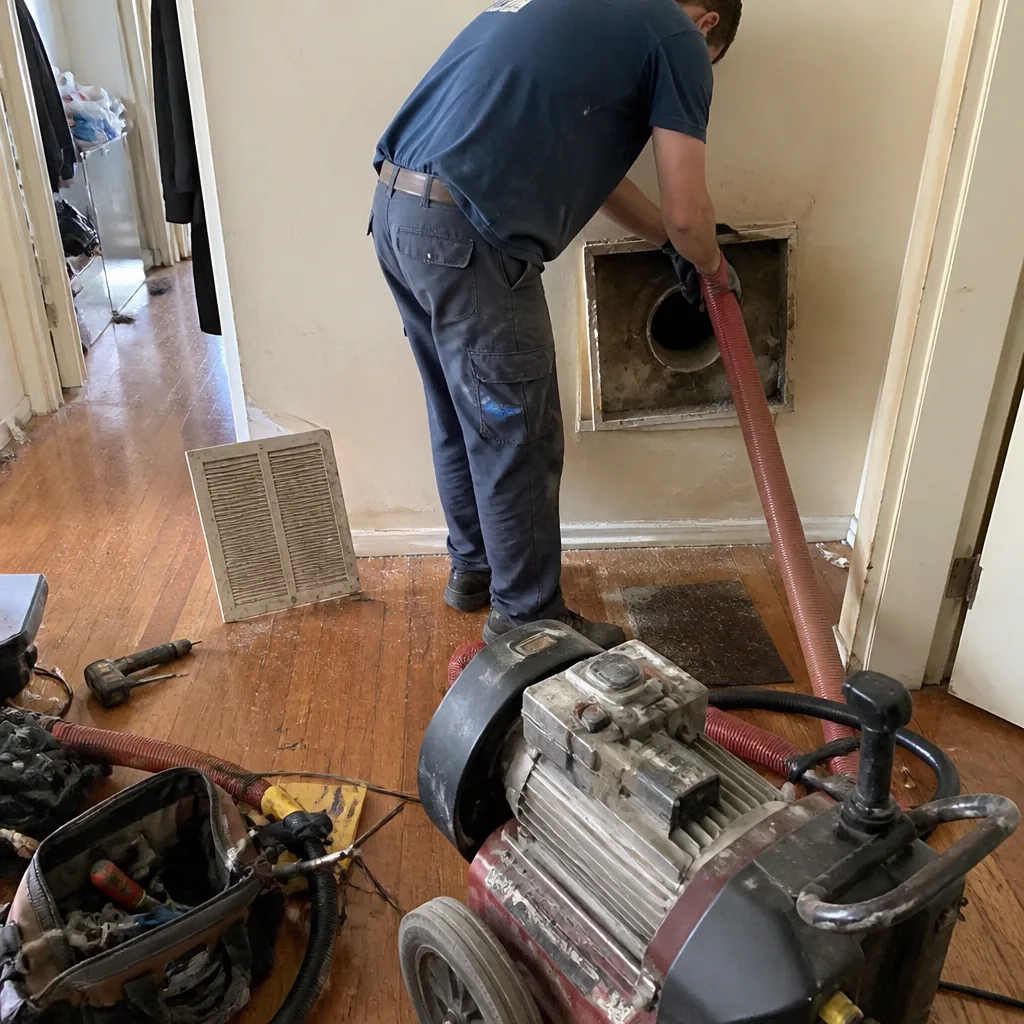
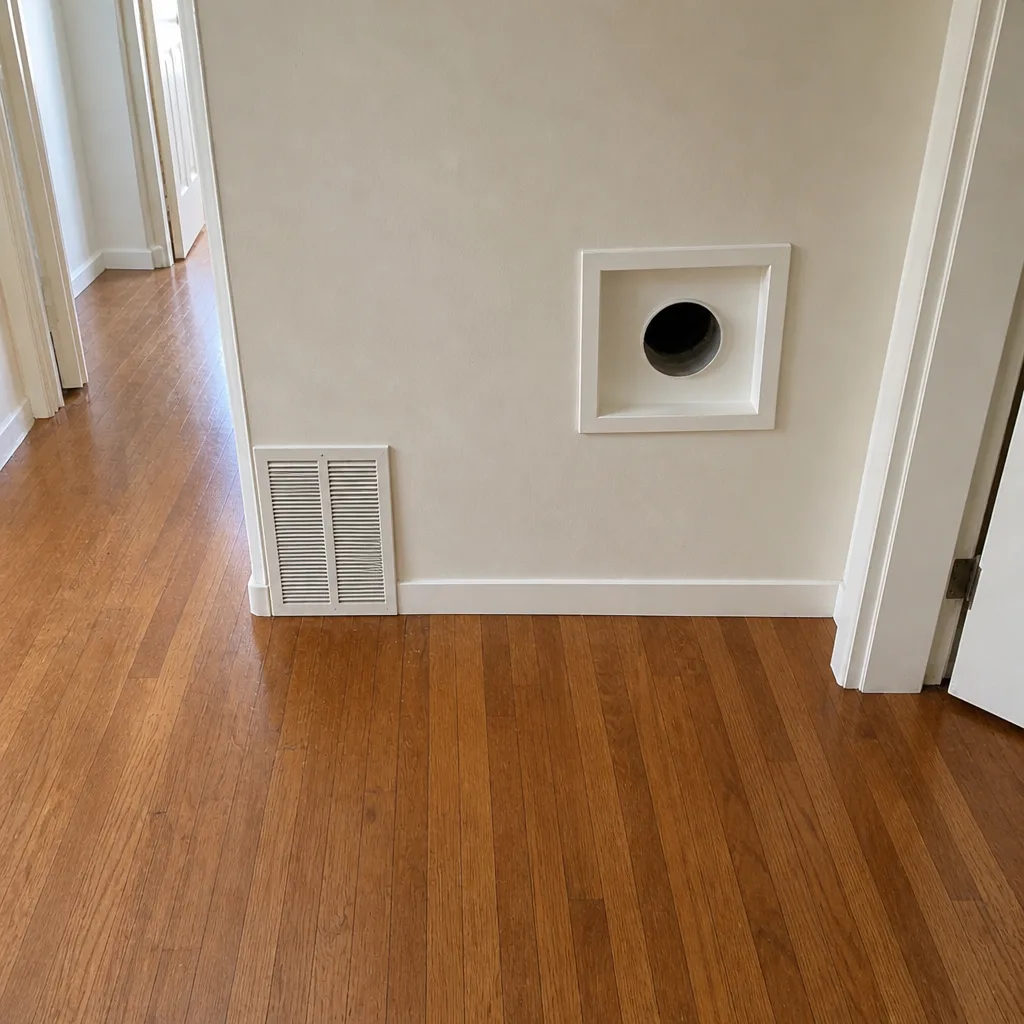
Whole-system duct and dryer vent check with before-and-after photos - you see exactly what came out of your vents
That "$99 whole-house special" is a bait ad - the real number appears once they are in your hallway, or the "clean" is a shop-vac at the register. We photograph the inside of your ducts before and after instead.
Air Duct Cleaning Permits, Codes & Inspections in New Orleans, LA: What You Need to Know
Here’s the part most homeowners get wrong: a company can clean your ducts with no permit at all, and then the same crew can open a wall, cut out a section of duct, and splice in a new run under a scope the state treats as regulated mechanical work. Those two jobs sit on opposite sides of a licensing line in Louisiana, and the line is drawn by the State Licensing Board for Contractors, not by the duct cleaning industry. Nobody hands you a card explaining the difference. You just get an invoice. This guide lays out where cleaning ends and repair begins, how New Orleans’ post-Katrina rebuilding standards still shape duct systems across the city, what triggers environmental notification for mold, and how Orleans and Jefferson parishes enforce codes differently. Read it before you book.
Quick Answer
Air duct cleaning by itself does not require a permit in New Orleans, but duct modification, repair, or replacement generally falls under Louisiana mechanical contractor licensing through the State Licensing Board for Contractors. Mold remediation inside ductwork can also trigger cleanup standards that bring environmental agencies into the picture. Homeowners should verify a contractor’s license and ask plainly whether the work requires a permit before signing anything.
Styles & brands we work with
- Whole-home duct cleaning
- Dryer vent cleaning
- Camera inspection
- Sanitizing & deodorizing
Table of Contents
- Where the Line Falls: Cleaning vs. Repair vs. Modification
- The State Licensing Board for Contractors and What It Regulates
- How Post-Katrina Rebuilding Codes Shape Ducts in New Orleans
- When Mold in Ductwork Triggers Environmental Notification
- Orleans Parish vs. Jefferson Parish Code Enforcement
- How to Verify a Contractor’s License Before Work Begins
- What an Inspection Actually Looks Like
- How Unpermitted Work Affects Resale and Insurance
Where the Line Falls: Cleaning vs. Repair vs. Modification
The simplest way to think about it: if a contractor is removing what’s inside the duct, that’s cleaning. If a contractor is changing the duct itself, that’s mechanical work with different rules. The distinction matters in New Orleans because a great deal of duct work in older homes involves repair rather than cleaning, and the two are easy to blur on an estimate.
Cleaning, in code terms, is a maintenance activity. Brushing, agitating, vacuuming, and capturing debris don’t alter the structure of the system. That’s why air duct cleaning generally proceeds without a permit, and why a dedicated cleaning specialist can do the job well without a mechanical license.
Repair and modification are different animals. Here’s roughly how the categories break down:
- Cleaning and debris removal: brushing, agitation, HEPA vacuuming, coil and register cleaning. No structural change. Generally no permit.
- Repair: sealing breaches, reconnecting dislodged joints, replacing torn flex, patching holes. Small repairs may not require a separate permit, but they enter licensed mechanical territory.
- Modification: adding, removing, rerouting, or resizing duct runs. This is permit-territory work in most jurisdictions and typically requires a licensed mechanical contractor.
- Replacement: pulling out and reinstalling ductwork, liner, or a significant portion of the system. This is clearly licensed mechanical work.
Duct leakage is where we see this distinction come up most often in older New Orleans homes. A disconnected joint in the attic or a torn flex run behind a soffit looks like a cleaning issue on a phone call, but sealing it properly means touching the duct system itself. We repair what we find rather than only reporting it, and we’re clear with homeowners about which part of a job is cleaning and which is mechanical repair, because that’s exactly the part that affects permits and licenses.
The practical takeaway for a homeowner: ask any contractor which category their work falls into, and if they say “repair or modification,” ask for their license verification.
The State Licensing Board for Contractors and What It Regulates
Louisiana regulates contractors at the state level through the State Licensing Board for Contractors (LSLBC). Mechanical work, including duct installation, modification, and replacement, falls within the commercial and residential licensing classifications the board administers. Cleaning-only work does not.
Most homeowners never think to ask about this, which is why the line matters. A cleaning crew that doesn’t hold a mechanical classification isn’t necessarily doing anything wrong by cleaning. They are doing something wrong if they start cutting duct and installing new runs without the licensing to back it up.
If you want to confirm a contractor’s standing, you can request verification from the LSLBC. Here’s how:
- Ask the company, in writing, for their Louisiana contractor license status and classification.
- Request a copy of the license verification from the LSLBC, or ask the company to provide one.
- Match the classification to the scope of the job. A classification that doesn’t cover mechanical work can’t legally cover a duct modification.
- Confirm the license status on the board’s records before work begins, not after.
For cleaning-only work, the question to ask is different. Ask what equipment the crew will use. A rotary brush system like Rotobrush agitates debris off duct walls, and a HEPA-rated vacuum like Nikro captures it. If the answer is a shop vac and a leaf blower, that’s a different job than what you’re paying for.
We’ve found that most homeowners who call us about New Orleans duct cleaning have never been asked to think about licensing at all. It’s a fair question, and it’s the right one to ask before anyone touches the duct.
How Post-Katrina Rebuilding Codes Shape Ducts in New Orleans
Homes rebuilt or renovated after Katrina were often brought up to newer standards than the original construction. That matters for duct work because the duct system in a rebuilt home may not match the layout, insulation, or mechanical design of the house that preceded it. When you call for service, the contractor may be looking at a system that was installed years after the walls went up.
In practical terms, a post-Katrina rebuild often means a few things:
- The duct runs may have been redesigned for a different HVAC layout than the original home, so the routing may not follow the obvious path through the structure.
- Flex duct installed during a fast rebuild can have longer runs and more joints than a careful original installation, and long runs with many joints are where leakage and debris accumulation tend to concentrate.
- Sealing and connection quality varies widely across rebuilt homes. We see duct breaches at joints that were never properly sealed, and we see disconnected runs that a homeowner had no idea were open.
- Older homes that predate the rebuild often have original duct systems that have never been cleaned, which is a different conversation entirely.
None of this is a knock on rebuilders. It’s a description of what the housing stock looks like when you’re standing in a crawlspace in Mid-City or Gentilly. The point is that the age and history of the home tell you a lot about what to expect when the ducts are opened up.
The moisture piece matters too. New Orleans is humid, and duct systems in humid homes spend their lives managing condensation and biological growth on the interior surfaces. That’s not a permit issue, but it is a reason to have the system looked at by someone with proper capture equipment rather than a crew that will blow the debris around.
Humidity is the single most useful local fact for understanding duct conditions here. Liner deterioration, microbial growth, and musty odors show up faster in a system that stays damp, and they show up in new builds as readily as in older homes.
When Mold in Ductwork Triggers Environmental Notification
Mold inside ductwork is treated as a bigger category of work than plain cleaning in most regulatory frameworks. The moment a contractor is removing microbial growth rather than loose dust, the job shifts from maintenance toward remediation, and remediation brings its own set of standards and notifications.
At the federal level, the EPA publishes guidance on mold remediation in buildings and schools. At the state level, the Louisiana Department of Environmental Quality (LDEQ) administers environmental regulations for air quality and waste handling. Whether a specific duct mold job triggers a formal notification requirement depends on the scope of the work, how much material is being removed, and whether the work falls under a contractor’s licensed classification. The safe position for a homeowner is to ask.
What to ask before a mold job starts:
- What testing or assessment supports the finding of mold in the duct system?
- Will the contractor use negative pressure and HEPA filtration during removal, so spores don’t spread through the house?
- Does the scope of work qualify as remediation, and does it fit the contractor’s licensed classification?
- Are there state or federal notification requirements that apply to this job, and who is responsible for filing them?
We use Abatement Technologies air filtration equipment on jobs where contaminant capture is the priority, because it’s the same class of machinery used in professional remediation projects. That’s not a description of a legal requirement. It’s a description of what real capture looks like when a system has more than dust in it.
For homeowners who want filtration at the system level, we also supply and install Honeywell and Aprilaire air quality products, which addresses the source rather than only the symptom.
Orleans Parish vs. Jefferson Parish Code Enforcement
New Orleans sits inside Orleans Parish, and the metro area stretches into Jefferson Parish, which has its own code enforcement structure. The two parishes operate separate permitting and inspection processes, and the differences matter for anyone living near the jurisdictional line.
Here’s what homeowners need to understand:
- Orleans Parish permitting runs through the city’s own departments, and property records can differ significantly from parish to parish, which affects how quickly a permit application moves through review.
- Jefferson Parish enforces codes through its own parish-level departments with separate procedures, timelines, and inspection scheduling.
- The jurisdictional line doesn’t follow neighborhood boundaries cleanly. Homes on the same street can fall under different authorities depending on address.
- The City of New Orleans historically governed the municipality, and the surrounding areas were governed separately as the city expanded, which is part of why the parish and city boundaries don’t always line up in intuitive ways.
If a contractor tells you a permit “isn’t needed in Orleans Parish” without asking for your address, that’s a warning sign. The correct answer depends on the property, the scope of work, and the authority having jurisdiction. For duct repair or modification work, the contractor should be able to tell you which office handles the permit and what the process looks like. For a cleaning-only job, there’s no permit to file, but the contractor should still be able to explain why.
If you’re making the call for a home in New Orleans or anywhere in the surrounding metro, ask the question bluntly: does this job need a permit, and if so, in which parish? A contractor who can’t answer that question is the contractor to keep on the phone while you look for someone else.
How to Verify a Contractor’s License Before Work Begins
Verifying a contractor’s license takes less time than a phone call and it’s the single most useful thing a homeowner can do before signing an estimate. The State Licensing Board for Contractors is the source, and a legitimate contractor should never be annoyed by the request.
Here’s the process, step by step:
- Ask for the company’s legal business name and their LSLBC license information in writing.
- Ask what classification the license covers and whether it includes mechanical work.
- Request an LSLBC license verification copy directly from the company, or look up the status on the board’s records yourself.
- Confirm that the classification covers the actual scope of your job, not just the company’s general description.
- If work will require a permit, confirm the company will pull it under their license, not yours.
- Ask for proof of insurance and bonding before work begins.
There’s a second layer to this that most homeowners miss. A cleaning-only job doesn’t need a mechanical license, but it does need the right equipment. We’re an insured and bonded operation, and every job runs with a rotary brush system plus HEPA capture, because the job isn’t done if the debris is still in the air. For our customers in New Orleans, the meaningful question is not only “is this crew licensed for what they’re doing,” but “does this crew have the machinery to actually do it.”
Our technicians have up to 14 years of experience, and the work is scoped in writing before anything starts.
What an Inspection Actually Looks Like
A duct inspection isn’t a look at the ducts from a register. A real inspection opens the system where it can be opened, inspects the interior of the duct runs, and documents what’s found with photos. In New Orleans, that usually means checking attic runs, crawlspace connections, and the return side, because that’s where most of the problems live.
Here’s what a professional inspection covers:
- Interior condition of supply and return duct runs, including joints and transitions.
- Presence of breaches, disconnects, or crushed sections.
- Condition of duct liner, insulation, and sealant.
- Evidence of microbial growth or accumulated debris.
- Airflow observation, not just a static look at the duct.
- Photo documentation of findings before and after any work.
Inspections matter for a different reason than most homeowners expect. The inspection findings are what tell you whether the job is cleaning or repair, and that’s the answer that determines whether a permit or a licensed mechanical contractor enters the picture. If a contractor inspects and finds breaches, and then only flags them in a report without fixing them, you’ve paid for information about a problem and nothing else. We repair what we find, because a breach that’s documented but not sealed is still leaking.
For properties with commercial systems, the inspection scope widens. Commercial ductwork often has larger runs, more complicated transitions, and a need for documentation that a residential job doesn’t require. The same care applies to dryer vent cleaning, where lint accumulation is a documented fire concern and the inspection is part of the service, not a separate upsell.
How Unpermitted Work Affects Resale and Insurance
Unpermitted mechanical work becomes a problem at the worst possible moment: when you’re selling the home. A buyer’s inspector who finds duct modifications without permits can stall a closing, and an insurer who learns about unpermitted mechanical changes can adjust coverage or raise questions about a claim.
Here’s what tends to happen in practice:
- A title or permit search reveals mechanical work that was never permitted, and the buyer asks for documentation.
- The seller can’t produce it, and the negotiation shifts to who pays to make it right.
- An insurer reviewing a claim for water or mold damage asks who did the work and whether it was permitted.
- Disclosures get complicated when the homeowner isn’t certain what was done or by whom.
Cleaning-only work doesn’t run into these issues, because there’s no permit to produce. The risk lives in the repair and modification category. That’s why we document what we do and why we’re clear with homeowners about the category their job falls into. For homeowners who also want to address air quality at the system level, Guardsman-grade protective products can be incorporated into the service so results hold up beyond the day of the visit.
A home in New Orleans with a long renovation history will generally have more of a paper trail to untangle than one without, and that makes documentation worth more, not less.
Common Mistakes to Avoid
- Assuming cleaning and repair are the same category. They’re not, and the difference decides whether a license and a permit enter the picture. Ask which one your job is before work begins.
- Not asking for the license classification. A valid company license that doesn’t cover mechanical work still can’t cover a duct modification. Match the classification to the job.
- Accepting a permit explanation without an address check. In the New Orleans metro, Orleans and Jefferson parishes enforce separately, and the answer to “does this need a permit” can differ street to street.
- Hiring a crew with a shop vac and a promise. Duct cleaning without rotary agitation and HEPA capture isn’t cleaning; it’s redistribution. Ask what equipment shows up.
- Accepting a report instead of a repair. A contractor who documents breaches and disconnects without fixing them leaves you with the same leak and a receipt.
- Skipping environmental questions on a mold job. Remediation carries its own standards, and the notifications that apply depend on scope. Get the answers before work starts, not after.
- Not documenting what was done. Keep the estimate, the scope of work, and any permits. Future buyers and insurers will ask, and the paperwork is worth more than the memory.
See the difference
 Before
 After
 Before
 After
 Before
 After
When to Call a Professional
Call a professional when you notice musty odors coming from the vents, visible dust streaks around the registers, a persistent allergy pattern that seems worse indoors, or a duct-connected symptom that keeps returning after a filter change. Call immediately if you suspect mold inside the duct system, because remediation is not a do-it-yourself category. Call if a contractor has already documented a duct breach or disconnect and left without repairing it. Call if you’re preparing a home for sale in New Orleans and you don’t have documentation for past mechanical work. And call if the last crew that showed up used equipment that couldn’t capture what it loosened.
New Orleans Duct Cleaning offers free estimates in New Orleans. Call (833) 749-5104. We answer 24/7. Fast dispatch from 7am to 7pm, Sunday through Friday. The price is set per job by the written estimate, and the work is done with professional-grade equipment, not repurposed hardware.
Frequently Asked Questions
No. Cleaning-only air duct work generally does not require a permit in New Orleans, because it doesn’t alter the duct structure. Permits enter the picture when the job becomes duct modification, repair, or replacement, which falls under licensed mechanical contractor territory through the State Licensing Board for Contractors. Call (833) 749-5104 for an exact quote. Estimates are free.
Typical whole-system air duct cleaning in New Orleans is priced per system, not per vent, and the written estimate sets the final price before work starts. We don’t quote teaser coupons or per-register pricing, because those figures tend to grow once the technician is on site. Call (833) 749-5104 for an exact quote. Estimates are free.
Cheap quotes usually reflect a shop vac, a leaf blower, and a short visit, which loosens debris and leaves most of it in the system. Real cleaning uses rotary brush agitation plus HEPA-rated capture, and that equipment costs more to run. If a quote looks dramatically low, ask what machinery will actually show up. Call (833) 749-5104 for an exact quote.
Ask for before-and-after photos of your own ducts. That’s the standard we hold ourselves to, and it’s the standard you should expect from any contractor. A crew that can’t show you the interior of your system before and after the job hasn’t given you evidence of anything. Call (833) 749-5104 for an exact quote.
Most homes in New Orleans benefit from duct cleaning every few years, and homes with pets, recent renovation, or a history of moisture problems tend to need it sooner. There’s no single number that fits every house. A proper inspection tells you more than a schedule does. Call (833) 749-5104 for an exact quote.
Not always, but the question is worth asking. Repair and modification fall under licensed mechanical work in Louisiana, so verify that whoever performs it holds the appropriate classification. A cleaning specialist who repairs breaches should be able to tell you clearly which part of the job is cleaning and which is mechanical work. Call (833) 749-5104 for an exact quote.
The Bottom Line
Cleaning doesn’t need a permit. Repair and modification do, and that line is the one most homeowners cross without realizing it. Verify the contractor’s license classification through the State Licensing Board for Contractors, confirm which parish your property falls under before anyone talks permits, and ask environmental questions before a mold job starts rather than after. Ask what equipment shows up, ask for before-and-after photos, and ask which category your job falls into. Those four questions separate a real operation from a crew with a shop vac. New Orleans homes deserve the real version. Call (833) 749-5104. We answer 24/7. Fast dispatch from 7am to 7pm, Sunday through Friday.
Written by the team at New Orleans Duct Cleaning.