
Last updated November 15, 2026
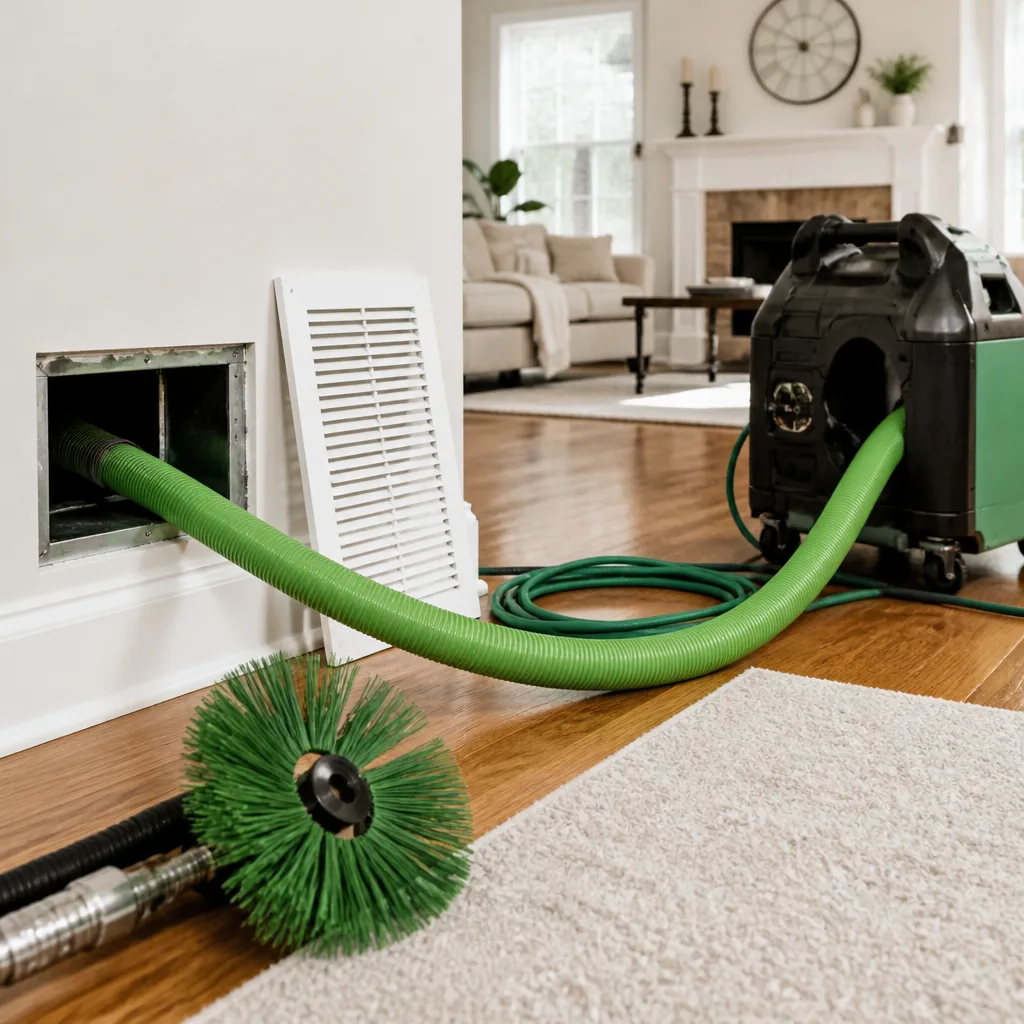 Whole-home duct cleaning
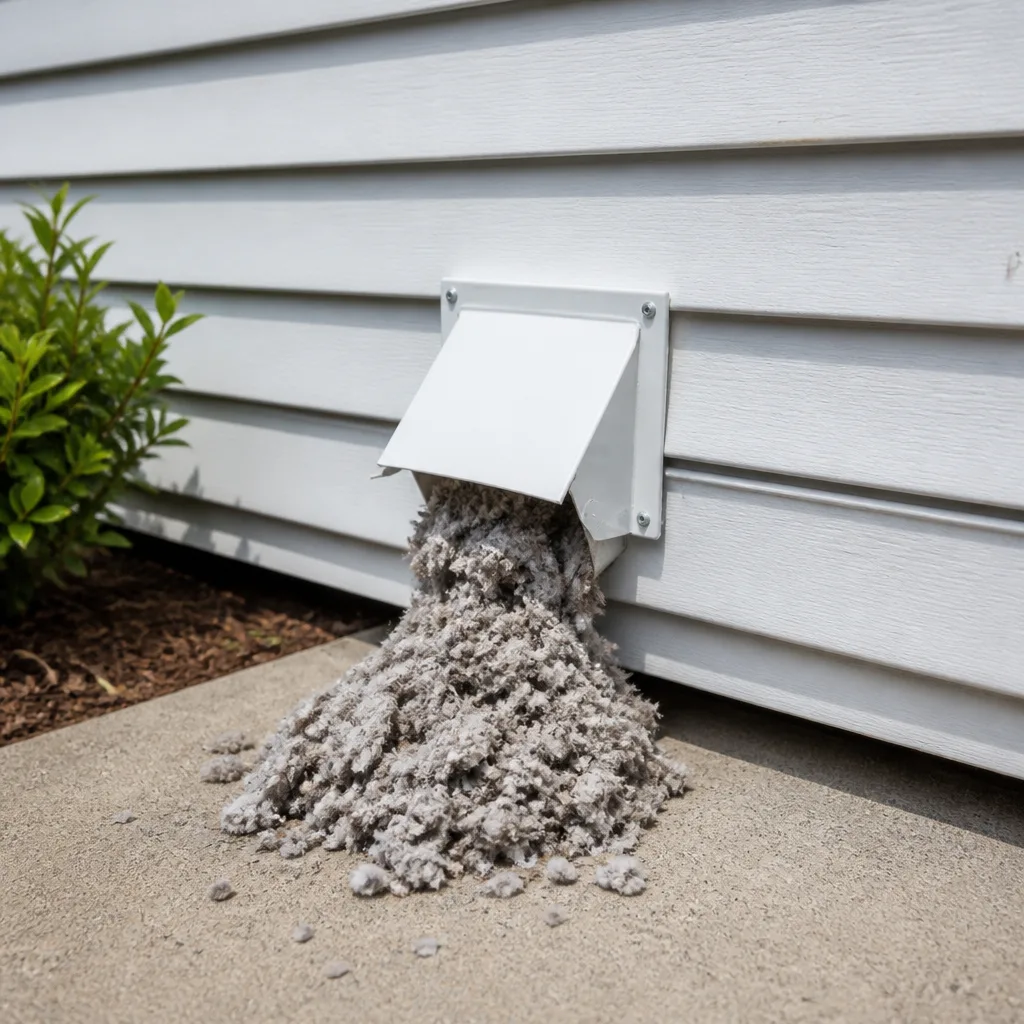 Dryer vent cleaning
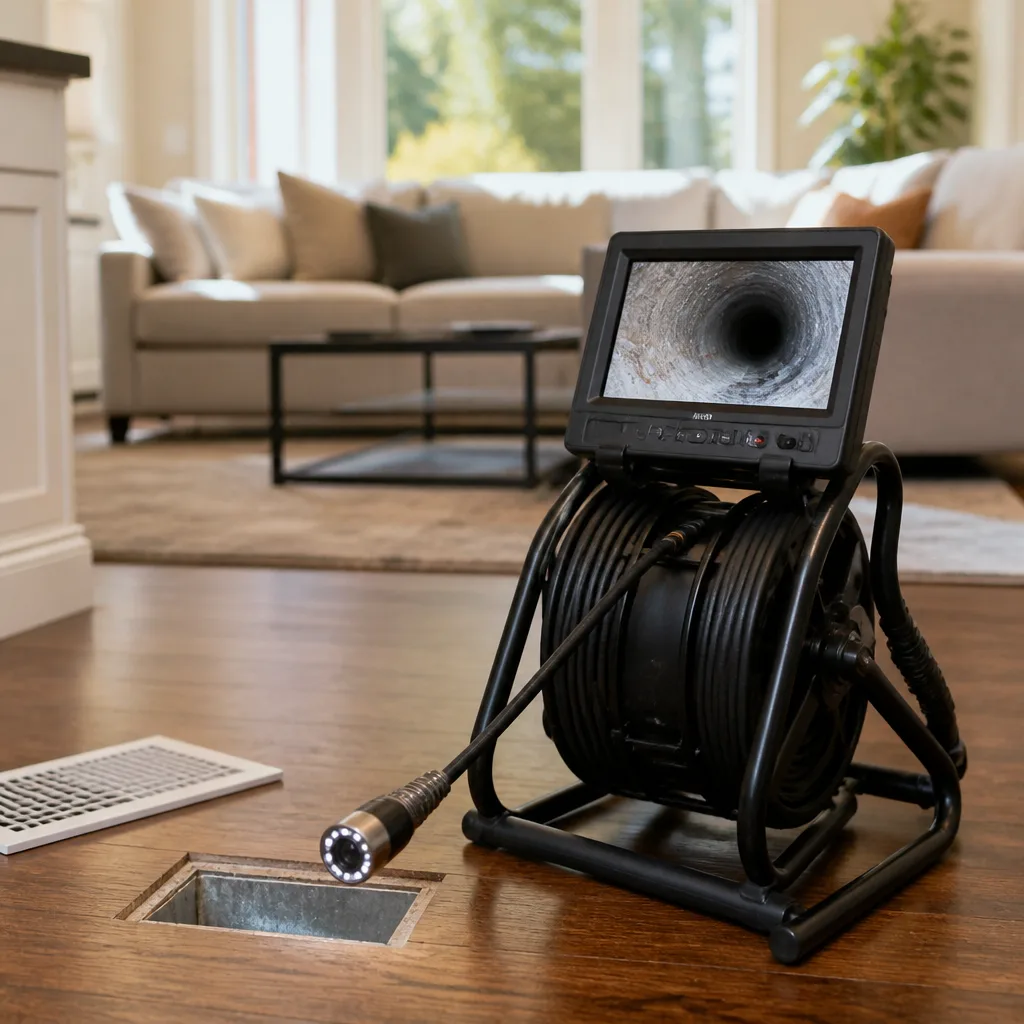 Camera inspection
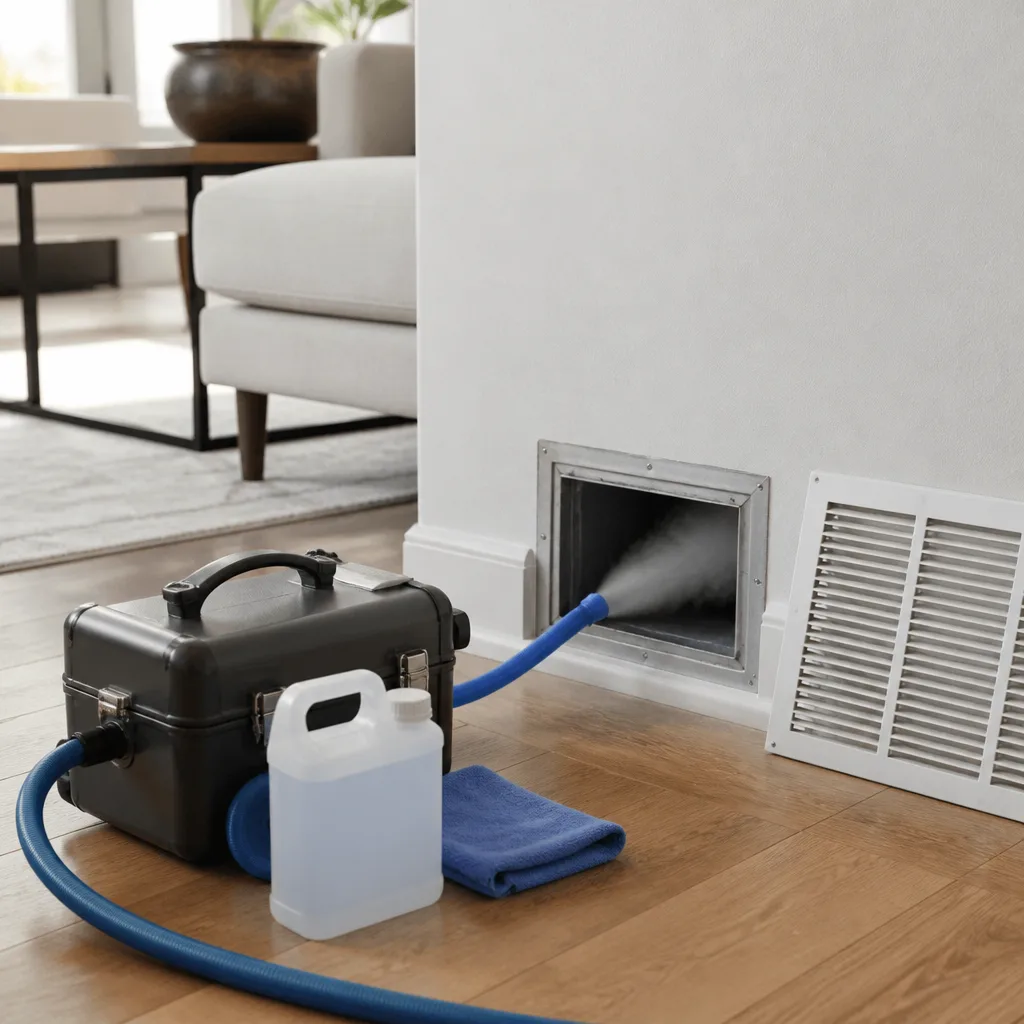 Sanitizing & deodorizing
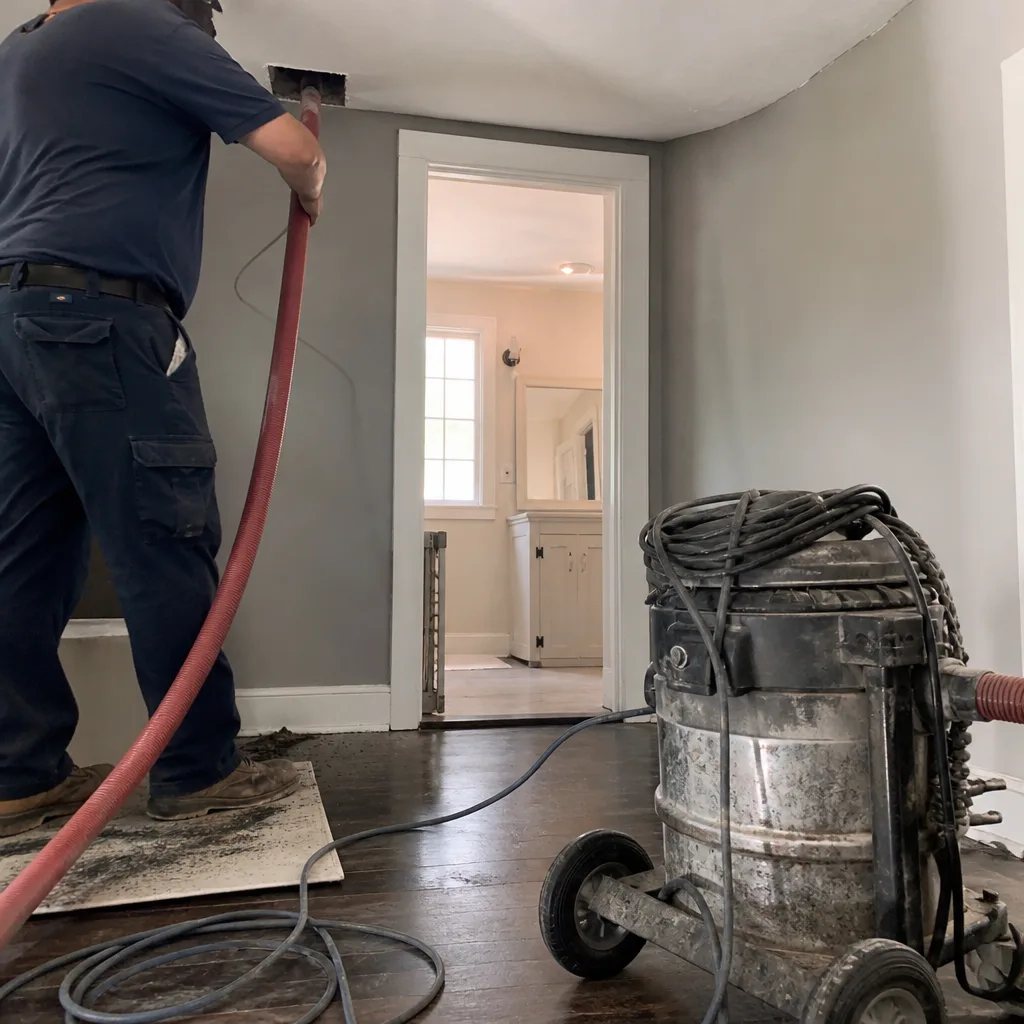
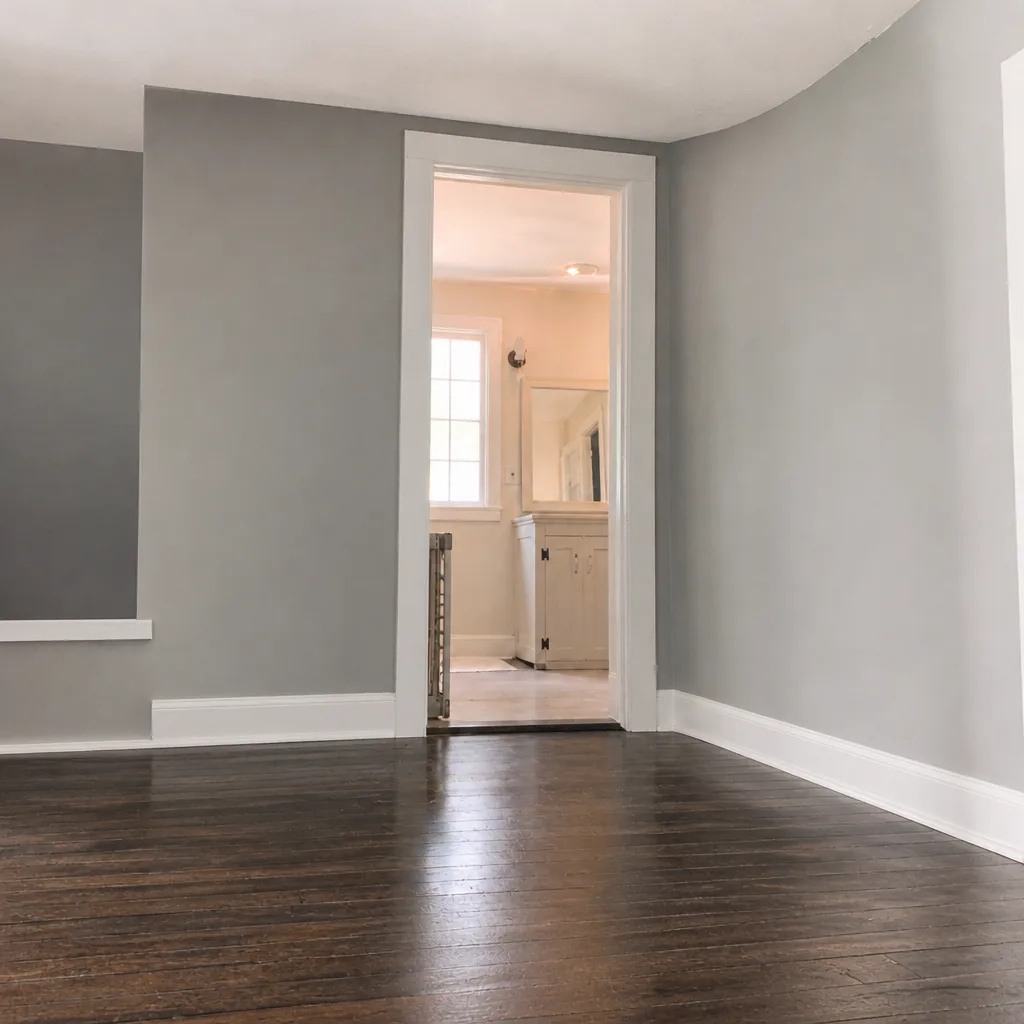
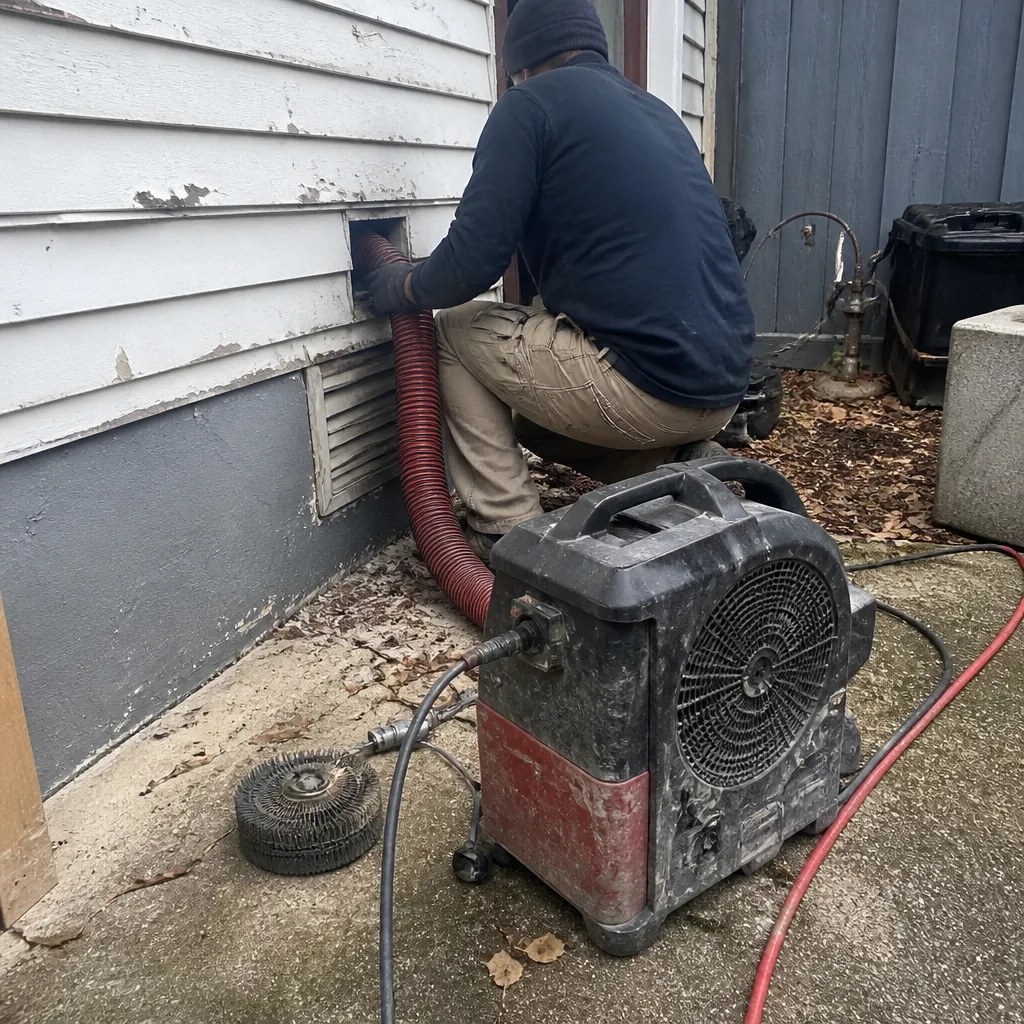
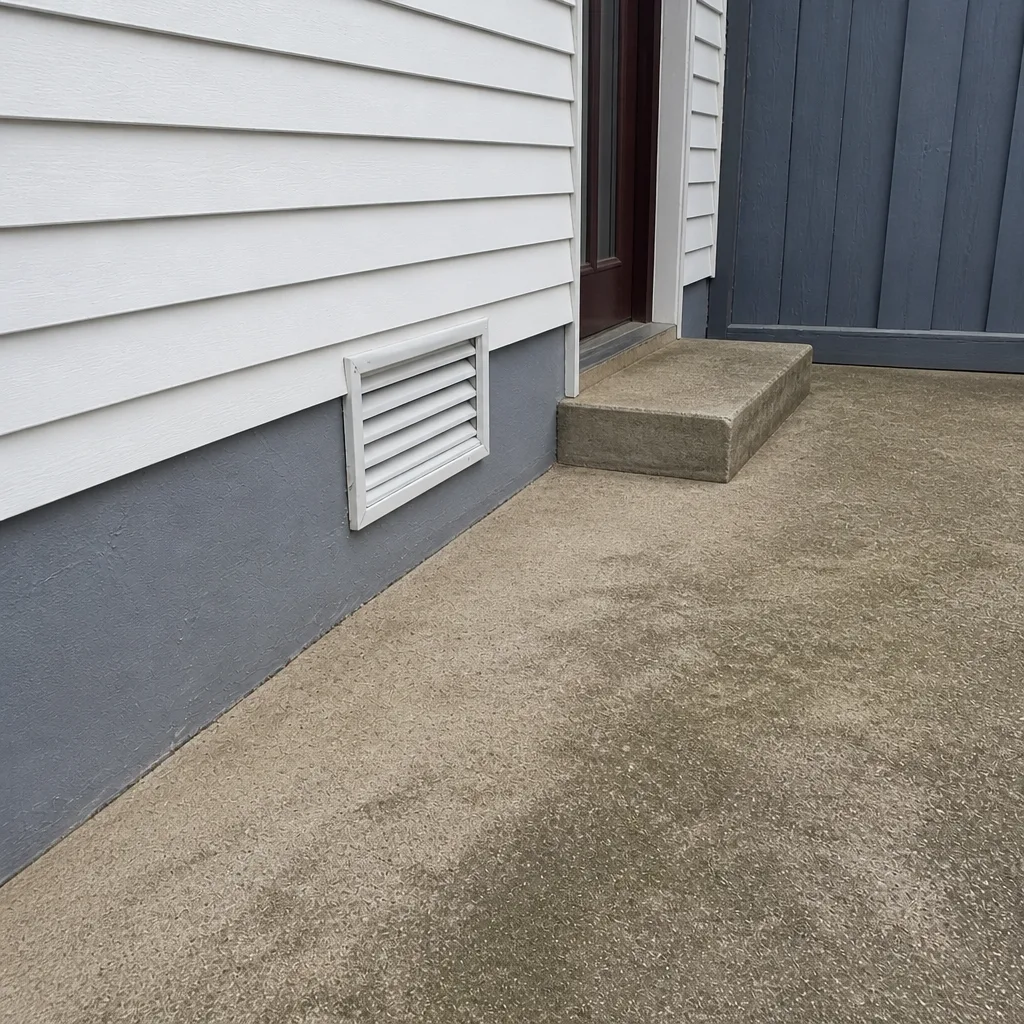
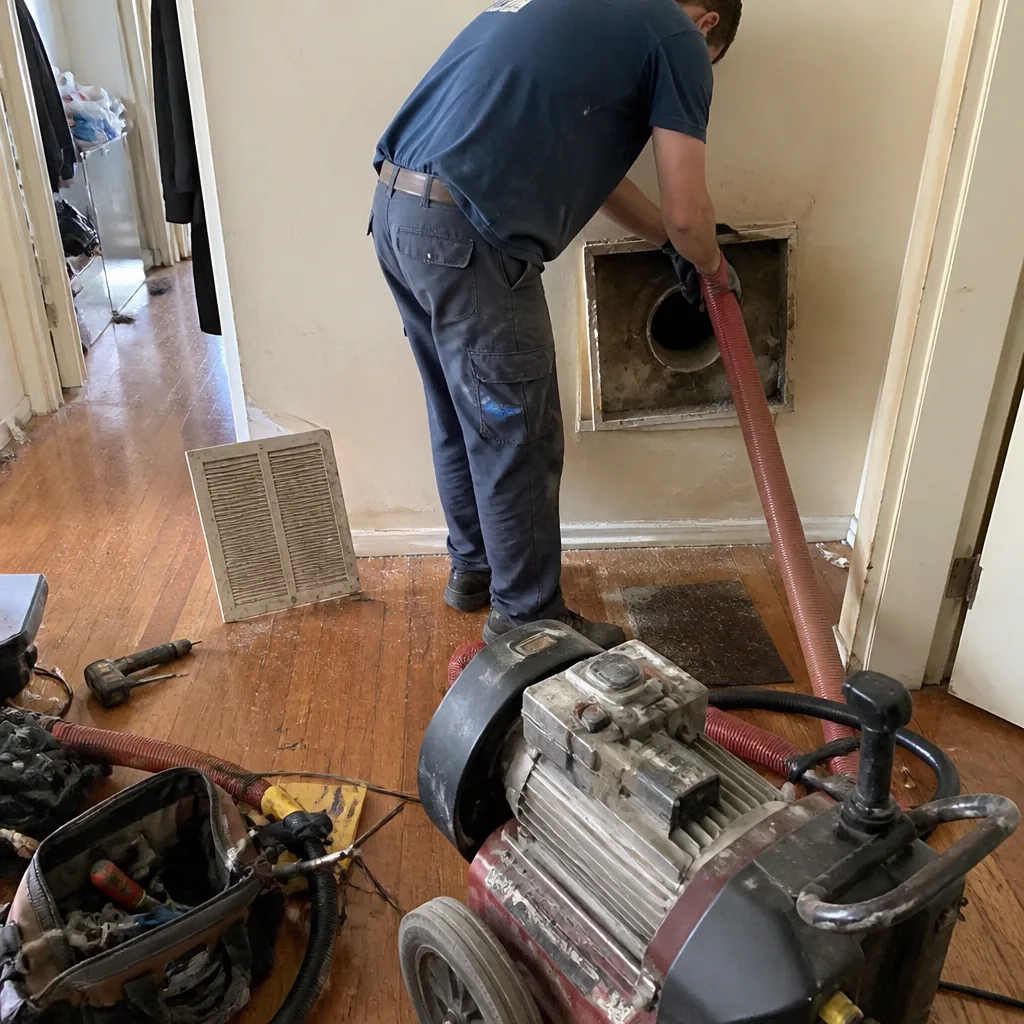
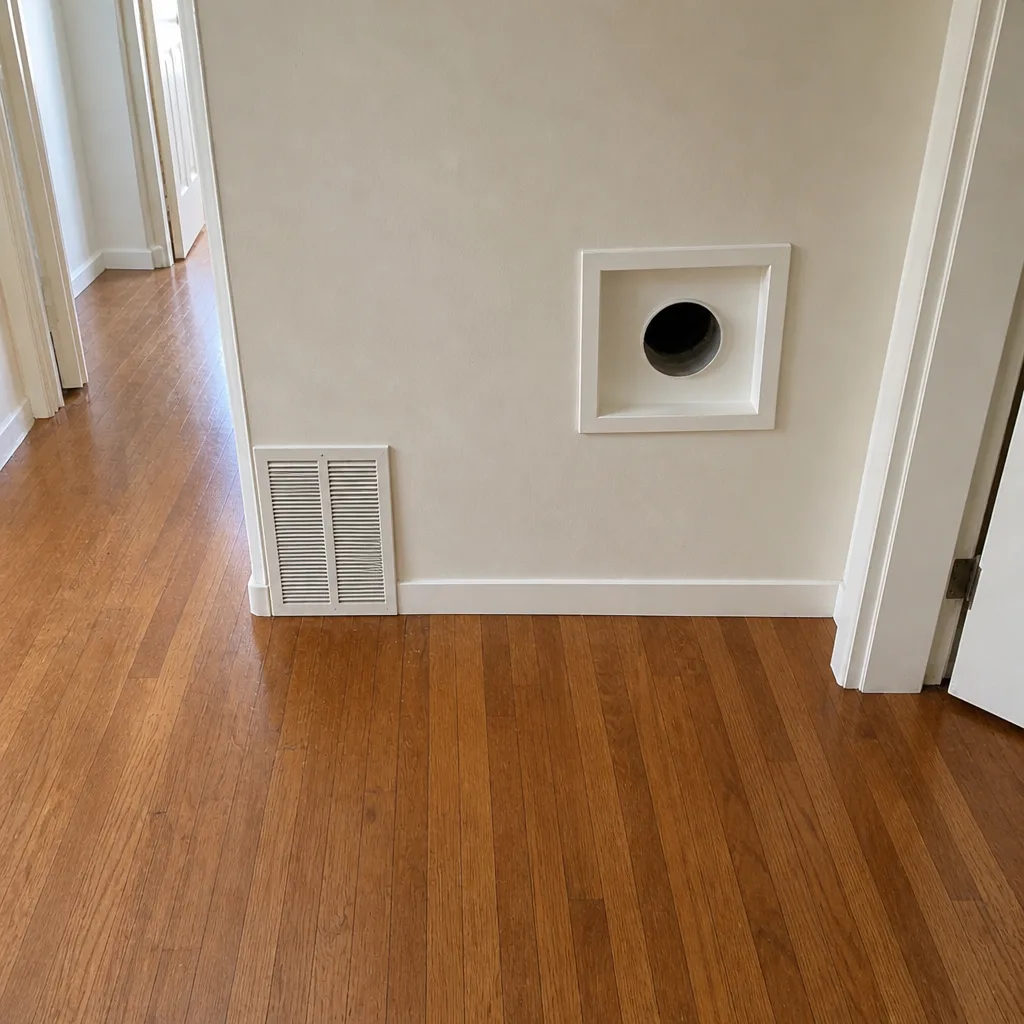
Whole-system duct and dryer vent check with before-and-after photos - you see exactly what came out of your vents
That "$99 whole-house special" is a bait ad - the real number appears once they are in your hallway, or the "clean" is a shop-vac at the register. We photograph the inside of your ducts before and after instead.
Air Duct Cleaning Troubleshooting in New Orleans: Common Problems and How to Fix Them
If your home still smells musty two days after a duct cleaning, the cleaning didn’t fail. It exposed something the technician didn’t address. That’s the part most homeowners miss. Duct cleaning removes what’s sitting in the ducts, and in doing so it often reveals a disconnected section, a collapsed run of flex duct, or moisture hiding behind a liner. The job after the job tells you what’s actually going on. This guide walks you through the signals: what post-cleaning dust means versus what a re-entry problem looks like, why musty odors in this climate need a specific follow-up test, and how to tell whether the equipment used was capable of doing the job in the first place. We’ll also show you the one documentation request that protects you before anything starts.
Quick Answer
Most problems that show up after a duct cleaning in New Orleans fall into one of four categories: dust that’s still settling from the disturbance (normal for 24 to 48 hours), debris re-entering through an unsealed return or disconnected duct section, moisture and condensation on interior duct liners causing odor to return, or debris that was re-lodged at a bend because the equipment couldn’t move it all the way out. The fix depends on which category you’re in, and a technician can tell you in one visit.
Styles & brands we work with
- Whole-home duct cleaning
- Dryer vent cleaning
- Camera inspection
- Sanitizing & deodorizing
Table of Contents
- Dust After Cleaning: Normal Disturbance or Re-Entry?
- Why Musty Odor Comes Back in New Orleans
- Uneven Airflow After a Cleaning: What It Means
- How to Tell If Real Equipment Was Used
- The Documentation to Request Before and After
- Duct Damage the Cleaning Exposed
- When to Call a Professional
- Frequently Asked Questions
Dust After Cleaning: Normal Disturbance or Re-Entry?
Some dust settling out of the air after a cleaning is expected. Debris gets stirred up during the process, and the system pushes that residual material through for a day or two before it clears. What’s not normal is dust that shows up on surfaces a week later, or dust that leaves a visible film on furniture within hours of the system running.
The distinction matters because one situation resolves on its own and the other will not. Here’s how to tell them apart:
- Post-cleaning disturbance: Light dust appears on surfaces within the first 24 to 48 hours, then stops. Running the system on fan-only for an hour after the service helps flush residual particles. After that, surfaces stay clean.
- Re-entry contamination: Dust keeps returning. You clean a shelf, and it’s coated again a few days later. This happens when debris is pulled in through a breach in the return side of the system or through a disconnected duct section that was never sealed.
The return side is where most re-entry problems live. The return ductwork runs under negative pressure, meaning it pulls air toward the air handler. If a joint has separated, a section of flex duct has slipped off its collar, or the return plenum has a gap, the system is drawing air (and whatever’s in the attic or crawlspace) straight into the living space. A cleaning can’t fix that. Sealing can.
If you see new dust that keeps coming back, the diagnostic is straightforward: trace the return path from each return grille back to the air handler. Look for gaps, disconnected sections, or tape that’s failed. In New Orleans homes with attic-mounted air handlers, this is a common finding, especially when ducts run through a hot attic that strains the connections over time.
Why Musty Odor Comes Back in New Orleans
Musty odor that returns within days of a cleaning points to moisture, not surface dirt. Cleaning removes what’s growing on duct surfaces. It doesn’t remove the moisture condition that allows growth to return. That’s why a cleaned system can smell clean for 48 hours and then, once the air conditioning runs through a humid afternoon, smell musty again.
New Orleans is a humid climate. Indoor ductwork runs cold during summer operation, and when warm humid air meets a cold duct surface, condensation forms. Most residential ductwork here includes some interior liner – a fiberglass or foil-faced material inside the duct or at the plenum. When that liner stays damp, it becomes a surface where mold can re-colonize quickly, especially after a cleaning has disturbed the surface layer and left it slightly rougher.
The test that confirms this: an indoor air quality assessment or a surface sample from the duct interior, taken by a technician who can distinguish between settled spores and active growth on the liner. A visual inspection of the liner at the air handler and the first few feet of supply trunk is usually enough for a trained eye. What you’re looking for is visible dark staining, delamination (the liner peeling away from the duct wall), or a persistent damp feel that doesn’t dry out between cycles.
What fixes it depends on what’s found:
- If the liner is damp but intact, drying the system and correcting the humidity source (a dehumidifier, a ductless dehumidification system, or improved attic ventilation) may be enough.
- If the liner is contaminated and won’t stay dry, encapsulating the interior surface with a coating designed for ductwork can seal it.
- If the liner has delaminated or deteriorated, the affected section needs replacing. That’s a duct repair, not a cleaning.
This is why we sell and install Honeywell and Aprilaire filtration and humidity equipment alongside our cleaning work. Upgrading filtration at the air handler helps manage what circulates, but it doesn’t fix a wet liner. Only the right diagnosis does that. For more on the full process, see air duct cleaning.
Uneven Airflow After a Cleaning: What It Means
Airflow that’s weaker in one room than before the cleaning is a specific signal, and it usually points to one of three things: a collapsed or kinked section of flex duct, debris that was dislodged and re-lodged at a bend, or a register that was never actually cleaned because the technician didn’t have access to that branch.
The first possibility is the one that gets overlooked. Flexible duct in an attic or between joists can sag, kink, or crush over time. When a technician cleans a run of flex duct with a rotary brush, the agitation can cause an already-compromised section to move or collapse further. That’s not a failure of the cleaning – it’s a pre-existing condition that the cleaning exposed. Flex duct should run as straight as possible with gentle bends; if it’s pinched against a joist or crushed under a run of cable, airflow drops.
The second possibility: dislodged debris moving to a low point or a sharp bend and settling there. A proper cleaning pulls material out of the system, not just off the walls. If the equipment doesn’t have enough vacuum to carry heavy material through the full run, debris stops at the first obstruction. The fix is a follow-up pass with the same equipment, focused on that section.
The third possibility: a register or branch that was skipped. Walk your home and note which registers were affected. A strong pressure check at each register with a handheld meter, or a tissue test on a grille, will tell you in seconds whether the branch is actually delivering air.
If airflow is down in a room that shares a run with a return, and you see debris in the grille, the run probably wasn’t cleaned end to end. Ask for the register list from the service report.
How to Tell If Real Equipment Was Used
Not every machine that cleans ducts is built for the job. The difference between a machine that agitates and captures debris and one that circulates it around is the difference between a clean system and a disturbed one. It also affects whether the job is actually finished when the technician drives away.
Two equipment types matter most in a diagnostic sense:
- Rotary brush systems use a spinning brush on a flexible whip to physically loosen debris from duct walls. Without agitation, debris that’s bonded to the duct surface stays there.
- Negative-pressure vacuum systems create suction at the air handler to pull material out of the ductwork and hold it in a collection unit. The vacuum has to be strong enough to carry debris through the entire run, not just lift it off the surface.
The diagnostic question a homeowner can ask is whether the equipment used was a negative-pressure truck-mount unit or a portable system. Truck-mount units pull far more air and produce a much stronger vacuum than portable machines. Portable units can be effective in the right application, but the technician has to compensate for lower suction with more time and more agitation. If a portable unit was used for a whole-house clean on a large system, the job may not have reached every branch.
What to look for in the service report or during the visit:
- The machine has a visible collection bag or canister. It should be checked and emptied during the service.
- The technician shows you the collection material at the end. That’s how you know the system was actually cleaned, and you can see what came out.
- The vacuum is connected at the air handler (or at the main trunk) rather than being dragged from register to register.
- A rotary brush is used in each main run, not just a whip at the return.
Our approach is rotary brush agitation plus HEPA-filtered capture on every job, using Rotobrush rotary systems and Nikro HEPA vacuum equipment. The second step is what makes the first one matter. Capturing what’s loosened is the whole point. Abatement Technologies air filtration equipment, the same class used in remediation work, is our standard. Our technicians have up to 14 years of experience reading these systems and knowing when a portable setup isn’t enough.
The Documentation to Request Before and After
Before you book a duct cleaning, ask for before-and-after photos of your own ductwork. This is the single most useful request a homeowner can make, and any company doing legitimate work should be able to provide it. It protects you if a problem shows up later, and it confirms the work was actually performed on the system you paid for.
What to ask for:
- Photos of each main trunk line, before and after. Not stock photos. Yours.
- A written report listing each register and return serviced. The report should match the number of registers in your home.
- Photos of the collection canister contents. This shows what came out of the system.
- Notes on any condition found but not repaired. Duct damage, disconnected sections, moisture, and liner deterioration should all be documented, even if the fix is booked separately.
The reason this matters in New Orleans: ductwork here runs through attics and crawlspaces that are hard to inspect, and a homeowner can’t verify what was done in those spaces without photos. If a company can’t produce photos of the actual work, you have no way to know whether a specific branch was cleaned or skipped. Our full-system service includes before-and-after photos of your own ducts on every job.
If duct damage is found during the cleaning, we can repair it on the same visit. That’s a real difference from companies that flag problems and leave them for another contractor to fix. More on that below.
Duct Damage the Cleaning Exposed
A duct cleaning often turns up damage that nobody knew was there. Debris inside a duct system can seal small gaps in the return side, and once it’s removed, the system starts drawing unconditioned air from the attic or crawlspace through those gaps. What looks like a post-cleaning problem is often a pre-existing leak that was being masked by the debris.
Common findings in New Orleans homes include:
- Disconnected flex duct at the register boot. The flex section has slipped off the collar or been pulled loose by settling. Air leaks into the attic instead of the room.
- Failed tape and mastic at trunk joints. Older duct systems held together with tape develop gaps as the adhesive ages. In an attic that gets hot, that aging happens faster.
- Collapsed or crushed flex duct. Duct runs that were stepped on, crushed by stored materials, or pinched against joists can lose most of their airflow.
- Deteriorated interior liner. Fiberglass liner breaks down or delaminates, sending particles downstream and reducing the system’s ability to stay dry.
- Breached return plenum. A gap at the air handler pulls unfiltered attic air directly into the return, which explains why dust keeps returning.
These aren’t cleaning problems. They’re duct repair problems that the cleaning made visible. If a technician says the cleaning is done and there’s a torn flex duct run visible in the report, the right next step is repair. Sealing a breach and reconnecting a duct section isn’t a large job, but it’s the difference between a system that stays clean and one that re-fouls within a month. Some companies flag it and hand you a name. We repair what others only report, using Guardsman-grade protective products where the system needs them.
Full ductwork health is also where filtration upgrades come in. If your system uses a basic filter at the air handler, upgrading to a higher-MERV whole-home filter through Honeywell or Aprilaire equipment at the same appointment is more effective than trying to filter out a problem downstream. See New Orleans Duct Cleaning for the full scope of what we cover.
When to Call a Professional
Some post-cleaning problems resolve on their own after a day or two. Others don’t, and waiting on them makes the fix more expensive. Call a professional when:
- Dust keeps returning to surfaces more than three days after the cleaning.
- Musty odor comes back after the cleaning and stays.
- Airflow in one or more rooms is noticeably lower than before.
- You see debris reintroduced into a register or grille.
- The company can’t provide before-and-after photos of your ducts.
- The service report doesn’t list each register serviced.
- You notice a visible duct gap, torn flex duct, or liner deterioration during a walkthrough.
These scenarios are exactly what a diagnostic visit is for. We can trace the return path, test airflow at the registers, and check the liner condition directly. If something needs repair, we handle it. New Orleans Duct Cleaning offers free estimates in New Orleans. Call (833) 749-5104. We answer 24/7, with fast dispatch from 7am to 7pm, Sunday through Friday.
Frequently Asked Questions
Expect 24 to 48 hours of light dust settling after a cleaning, then it stops. If dust keeps showing up on surfaces beyond that window, especially in the same area of the home, the cause is usually re-entry through a gap or disconnected section rather than leftover cleaning residue. The fix is sealing the breach, not cleaning again. Call (833) 749-5104 for an estimate to trace it.
A musty smell returning after duct cleaning in New Orleans almost always points to moisture on the interior duct liner, not leftover dirt. Cleaning removes surface growth but doesn’t dry the liner or remove the humidity source. A visual inspection of the liner at the air handler and first trunk section confirms it. If the liner is damp and stained, encapsulation or replacement is usually the fix. Call us for an inspection estimate.
Yes, but not in the way most people think. A cleaning can dislodge material that settles at a bend, or agitation can shift an already-compromised flex duct section into a worse position. Both are fixable with a follow-up pass or a repair. Low airflow that persists after a cleaning is worth diagnosing rather than ignoring. Call (833) 749-5104.
Ask to see the collection canister during and after the job, and ask whether the vacuum was a negative-pressure truck-mount or a portable unit. If the vacuum was portable, ask how the technician compensated for lower suction. A company that did the work properly will have a clear answer and photos to back it up. Our standard is rotary brush agitation plus HEPA-filtered capture with Rotobrush and Nikro equipment on every job.
A cleaning problem is residual debris or dust that a second pass can address. A repair problem is a physical defect: a disconnected section, a collapsed run, a breached plenum, or a deteriorated liner. Cleaning won’t fix a repair problem, and repairing a duct without cleaning it usually means the debris is still there. The right sequence is diagnose, clean, repair. Get an estimate that covers all three.
The dryer vent is separate from the air duct system, but it’s worth treating with the same care. A blocked or disconnected dryer vent is a fire risk. If you’re already having duct work done, checking the dryer vent on the same visit is practical. See dryer vent cleaning for what that service covers. Call (833) 749-5104 for both.
The Bottom Line
Most problems that show up after a duct cleaning in New Orleans are information, not failures. Dust that’s still settling for 24 to 48 hours is normal. Dust that keeps coming back means a breach somewhere in the return path. Musty odor that returns within days means moisture on the liner that the cleaning exposed. Low airflow in one room means a collapsed section, a re-lodged debris pile, or a branch that wasn’t reached. The equipment used matters as much as the diagnosis: rotary brush agitation plus HEPA-filtered capture is what actually completes a job. Before you book any service, ask for before-and-after photos of your own ducts and a written report of every register serviced. That’s the documentation that holds a company accountable, and it’s what we provide on every job in New Orleans.
If something after your cleaning doesn’t look right, call New Orleans Duct Cleaning at (833) 749-5104 for a free estimate. We answer 24/7. Fast dispatch from 7am to 7pm, Sunday through Friday. Rotary brush agitation plus HEPA capture, remediation-grade Abatement Technologies filtration, repaired duct damage on the spot, and before-and-after photos of your own ducts. We repair what others only report.
Written by the team at New Orleans Duct Cleaning.
See the difference
 Before
 After
 Before
 After
 Before
 After