
Last updated November 15, 2026
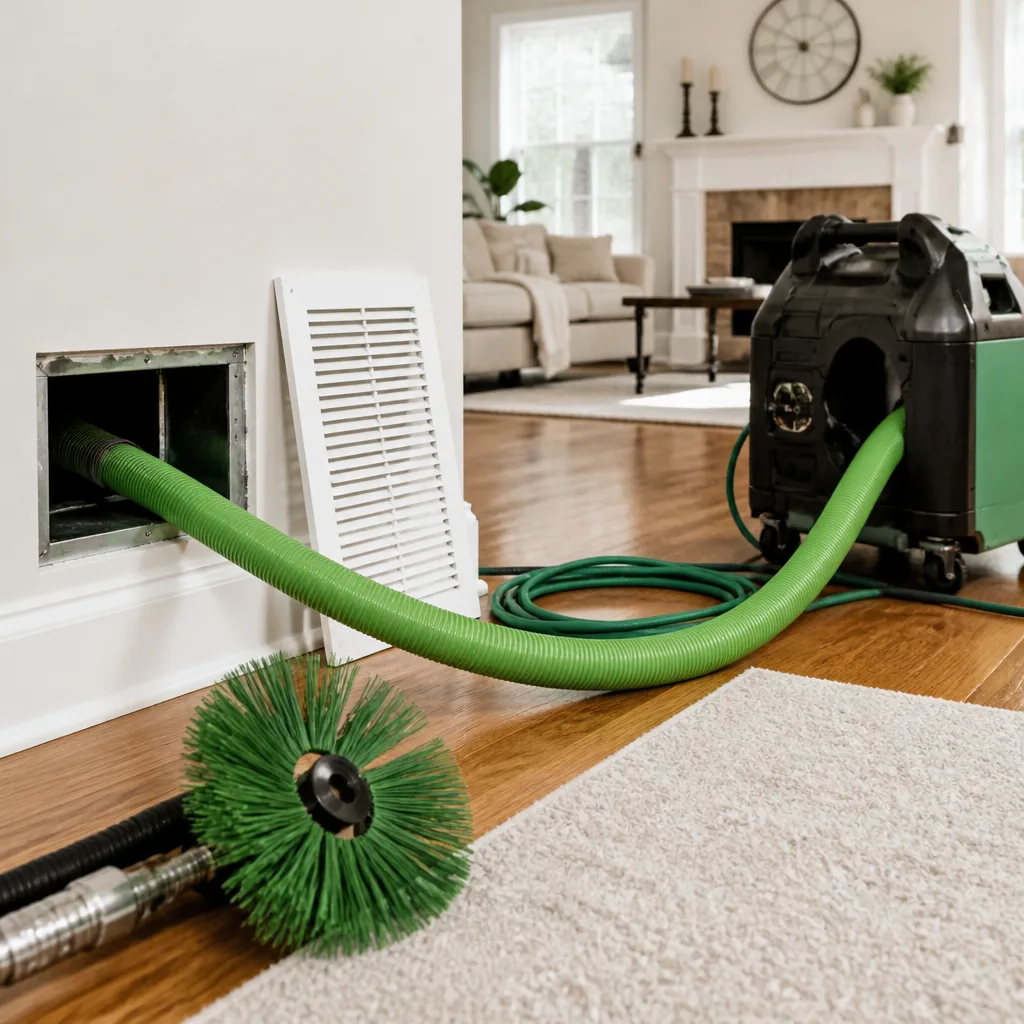 Whole-home duct cleaning
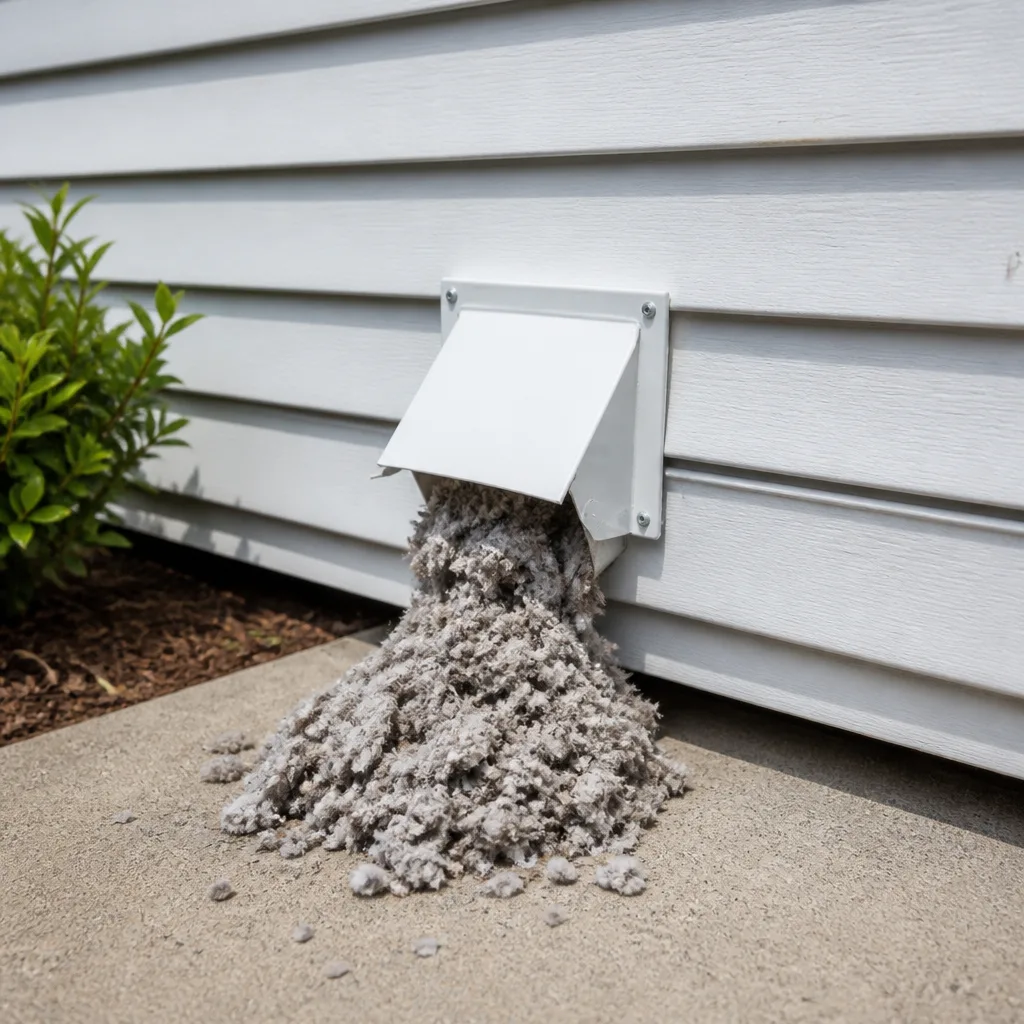 Dryer vent cleaning
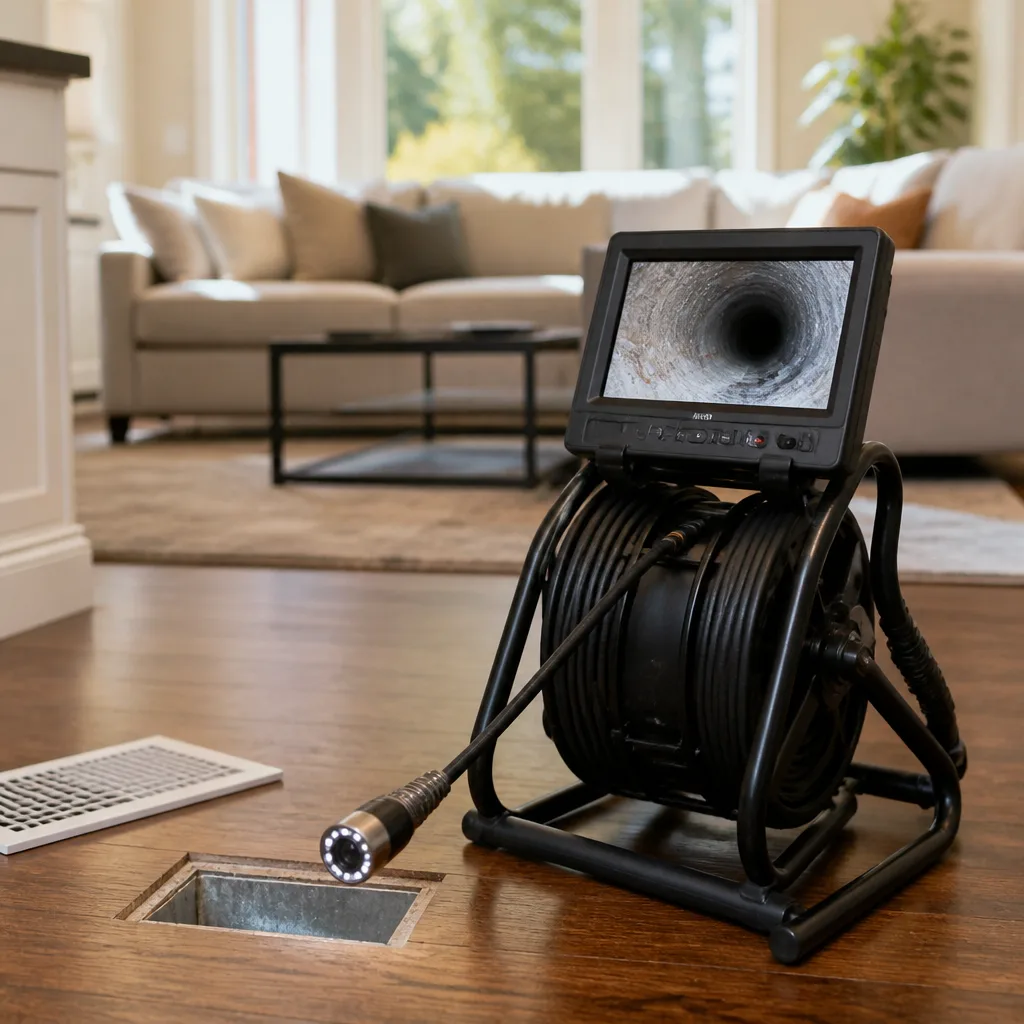 Camera inspection
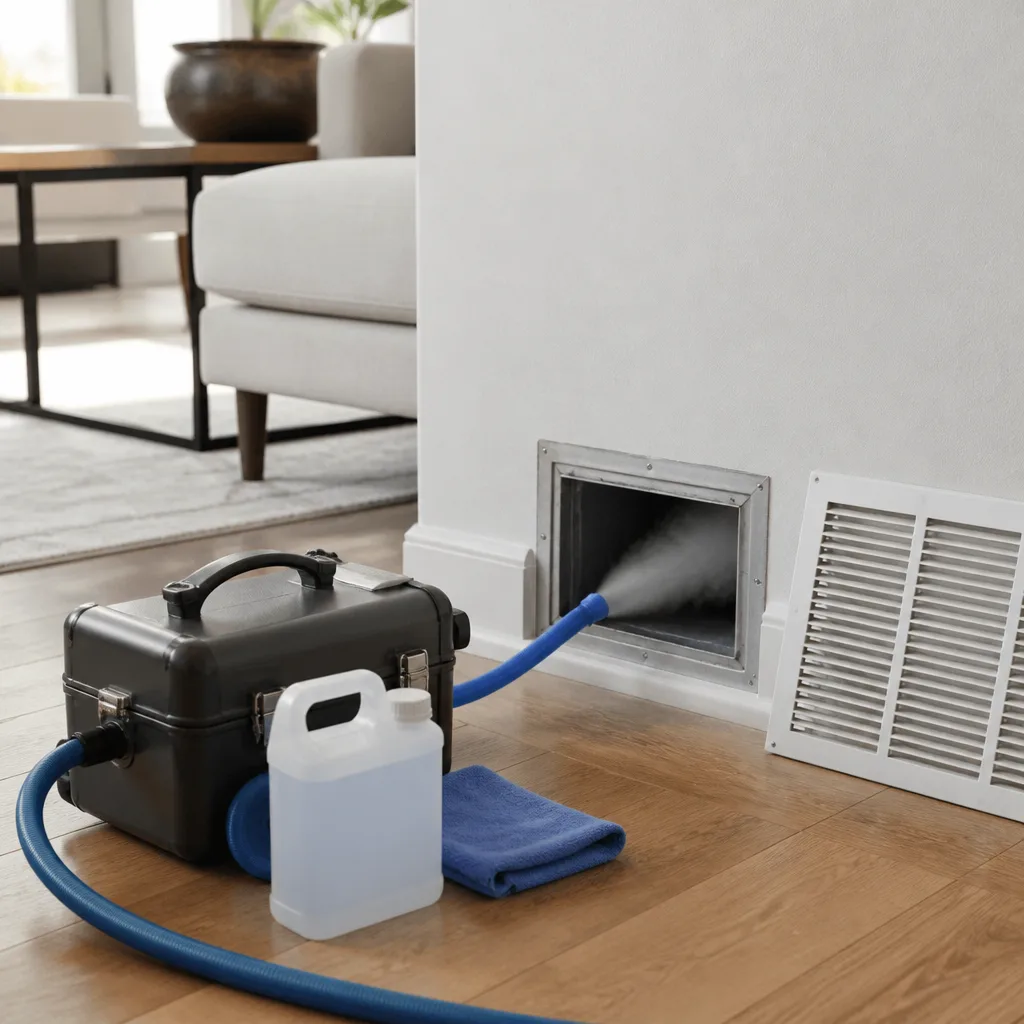 Sanitizing & deodorizing
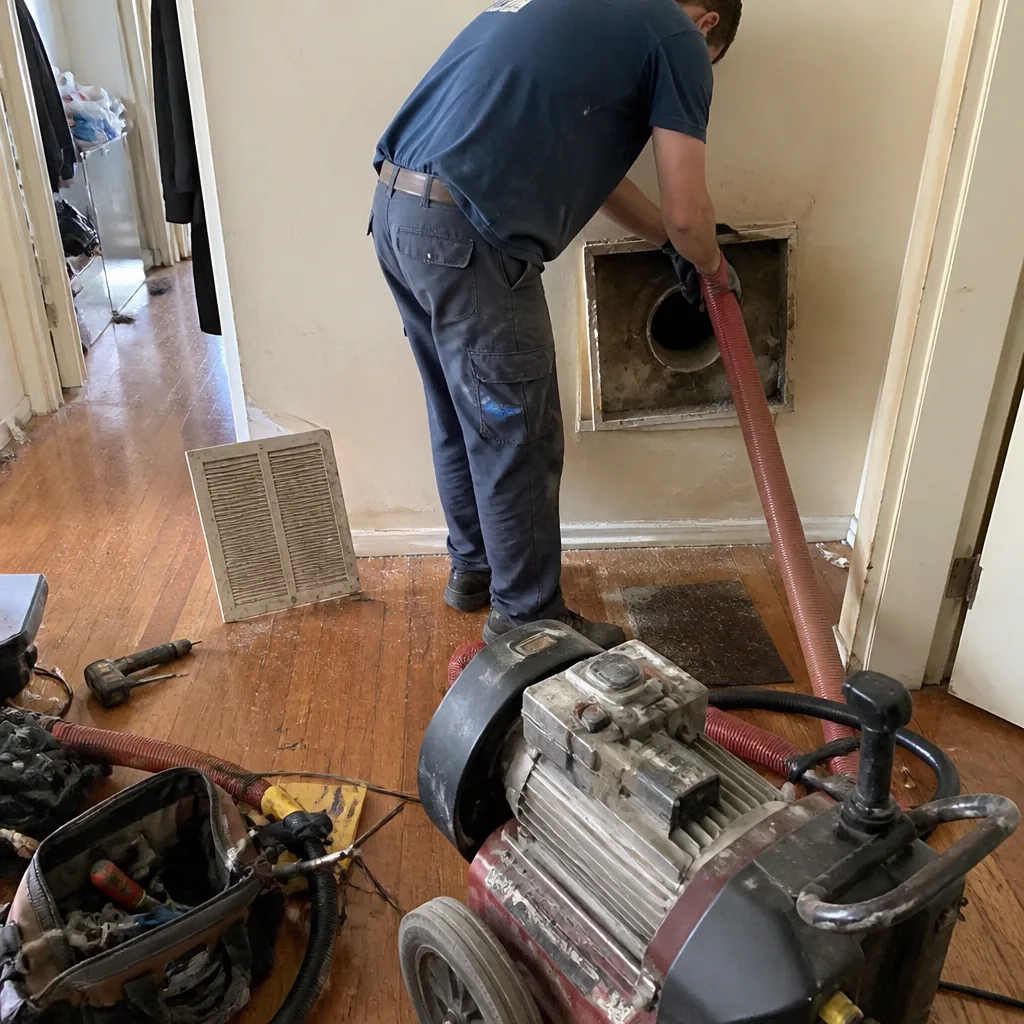
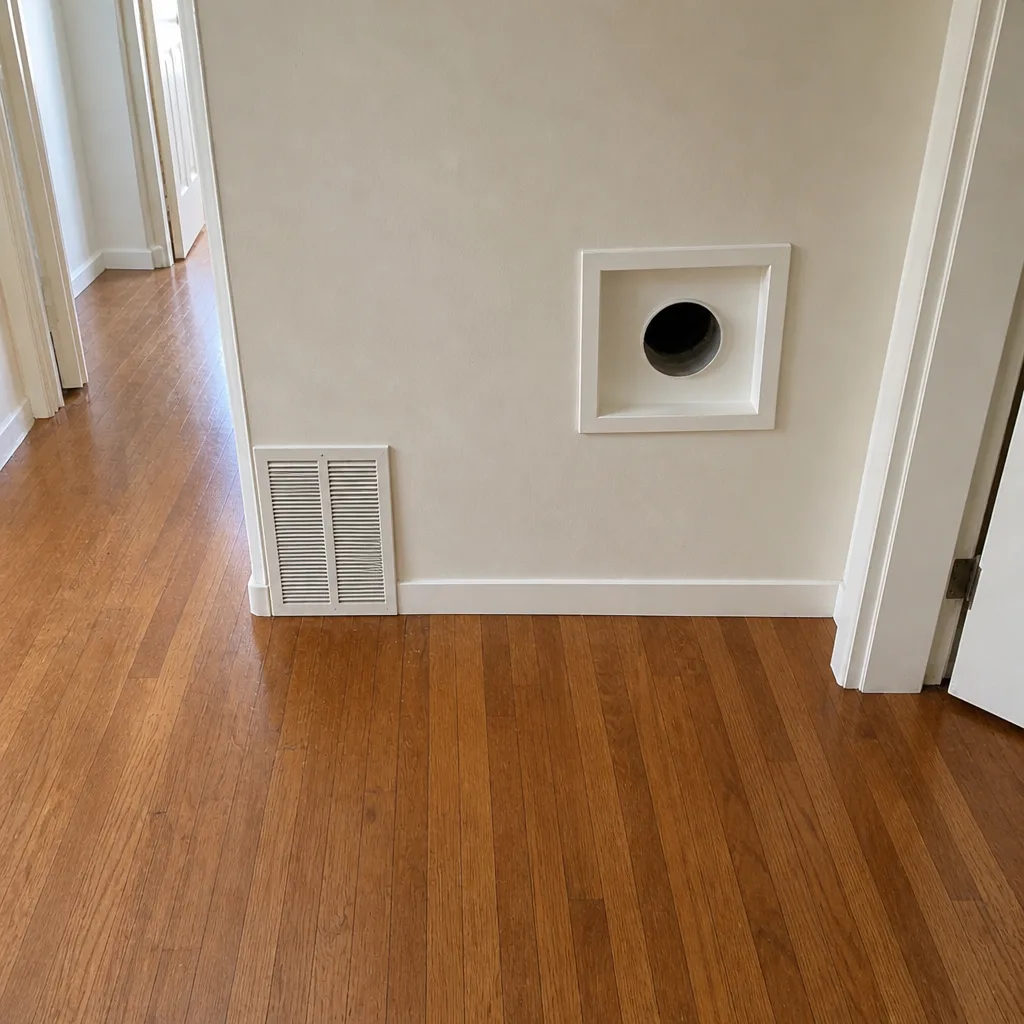
Whole-system duct and dryer vent check with before-and-after photos - you see exactly what came out of your vents
That "$99 whole-house special" is a bait ad - the real number appears once they are in your hallway, or the "clean" is a shop-vac at the register. We photograph the inside of your ducts before and after instead.
The Complete Guide to Air Duct Cleaning in New Orleans
Most homeowners picture their ductwork as a set of sealed metal pipes that quietly carry air from one room to the next. That picture is wrong, especially here. In a subtropical climate, ductwork is an active biological environment: warm, damp, dark, and constantly fed with outside air and organic dust. New Orleans averages more than 114 days a year above 90°F, and relative humidity that rarely dips below 60%, conditions that make a neglected duct system a genuine growth environment within months rather than years. This guide explains what’s actually happening inside your ducts, why the New Orleans climate raises the stakes, and how to tell a real full-system cleaning from a cosmetic wipe-down.
Styles & brands we work with
- Whole-home duct cleaning
- Dryer vent cleaning
- Camera inspection
- Sanitizing & deodorizing
Quick Answer
Air duct cleaning in New Orleans is a full-system process that uses rotary brush agitation plus HEPA and negative-pressure vacuum capture to remove debris, dust, and microbial growth from the entire duct network, not just the visible registers. In our climate, the humidity and heat make regular source-removal cleaning more important than in drier parts of the country, and a proper job should include documented before-and-after readings, not a receipt with a price on it.
Table of Contents
- Why New Orleans Ductwork Is Different
- How Humidity Drives Biofilm and Mold Growth
- Why Negative-Pressure Vacuum Systems Are Not Optional Here
- Source Removal vs. Surface Wipe-Down
- How Slab and Raised-Floor Homes Change the Picture
- What a Full-System Inspection Should Document
- What the Cleaning Process Actually Involves
- Duct Repair and Air Quality Systems
- Common Mistakes to Avoid
- When to Call a Professional
- Frequently Asked Questions
Why New Orleans Ductwork Is Different
The first thing to understand is that duct cleaning isn’t one universal job performed identically everywhere. A home in a dry climate has different problems than a home in New Orleans. Here, the outdoor air that enters your system is carrying heavy moisture most of the year. The interior of the return and supply trunk has a dew point that sits in the range where condensation forms on cool surfaces during the cooling season. When that film of moisture mixes with dust, skin cells, pet dander, and pollen from the surrounding live oak canopy, you get a substrate that supports microbial growth.
In New Orleans, that cycle runs most of the year. There is no long dry season that interrupts it. The result is that a homeowner who moves here from a cooler, drier market and waits the recommended three to five years between cleanings may find the inside of the ductwork in substantially worse shape than they expected.
The specific local drivers of duct contamination in New Orleans include:
- Year-round cooling demand. Air conditioning runs long enough each year that the ducts are almost always wet on the inside, and never have a chance to fully dry.
- High biological load in outdoor air. Pollen from cypress, oak, and other local species, along with mold spores, are drawn into the return every time the system runs.
- Frequent rain and flooding events. Homes that have taken on any water, even briefly, tend to retain moisture in the structure near the air handler and duct runs.
- Older housing stock. Many New Orleans homes have duct systems that were installed before modern sealing practices, and gaps let in unconditioned attic or crawlspace air.
Each of those factors is a reason to treat duct cleaning here as a moisture and contamination project, not just a housekeeping task.
How Humidity Drives Biofilm and Mold Growth
Biofilm is what forms when microorganisms settle on a wet surface and start producing a sticky matrix that holds them in place. Inside ductwork, that surface is the sheet metal or flex duct liner, and the moisture is provided by condensation and by humid air pulled in on every cooling cycle. Once biofilm establishes, ordinary dust simply sticks to it, and the layer grows thicker. That layer is what you smell when the system first kicks on in the morning, and it’s what feeds the dust load that settles on your furniture and blinds.
In drier climates, the same process happens but far more slowly. A duct system that gets a break every winter can dry out and stop supporting growth. New Orleans doesn’t offer that break. The ducts stay relatively damp, the temperature stays in the range that suits microbial life, and the food source (dust and organic debris) is continuously replenished.
That’s the practical reason we focus on air duct cleaning as a recurring service rather than a one-off. The goal isn’t just to remove the current layer. It’s to break the cycle, restore the duct surface to clean metal, and then keep the system dry enough and filtered well enough that the biofilm doesn’t return quickly. A whole-home filtration upgrade, like the Honeywell and Aprilaire systems we supply and install, is part of that strategy. So is sealing gaps that let humid outside air in.
What you should look for as signs that biofilm has taken hold:
- A musty or earthy smell that appears when the air handler starts and fades after a few minutes.
- Visible dark speckling or staining on the inside of return grilles or the first few feet of duct you can see with a flashlight.
- Increased allergy symptoms indoors that follow the cooling season pattern rather than the outdoor pollen calendar.
- Dust settling on surfaces faster than it should after cleaning the house.
If you’re noticing those signs, the ducts need a proper inspection, not a bottle of air freshener.
Why Negative-Pressure Vacuum Systems Are Not Optional Here
A common misunderstanding in the industry is that the vacuum is a nice extra. It is not. When you agitate dust and biological material inside a duct with a rotary brush, that material becomes airborne. If the system isn’t under continuous negative pressure during agitation, that cloud simply redistributes into the living space. You’ve moved the contamination from the duct to your bedroom instead of removing it.
In a drier climate, the risk of redistribution is bad enough. In New Orleans, where the contamination load includes active biological material rather than just inert dust, it matters more. The capture system has to be running before the agitation starts and stay running until the job is finished.
That’s why we use the equipment we do. Rotobrush rotary brush systems agitate the debris off the duct walls. Nikro HEPA vacuum technology captures the dislodged material and holds it rather than recirculating it. Abatement Technologies air filtration equipment adds a remediation-grade standard of filtration that matches what professionals use on environmental cleanup projects. The combination is what makes a real cleaning job possible:
- Connect the negative-pressure vacuum to the main trunk and confirm it’s holding the system under vacuum before any agitation starts.
- Run the rotary brush through each branch run, working from the furthest register back toward the main trunk so debris moves in one direction.
- Use HEPA filtration at the exhaust so any particles small enough to escape the vacuum are still captured.
- Clean the air handler cabinet, evaporator coil access, and return plenum where the heaviest accumulation typically sits.
- Verify airflow readings at each register against the pre-cleaning baseline and document the change.
When you compare quotes, ask directly whether the system will be under negative pressure during the entire job, and what filters the vacuum uses. A crew that can’t answer specifically is likely to be working with a shop vac and a hose, and in New Orleans that isn’t a real cleaning.
Source Removal vs. Surface Wipe-Down
Source removal means physically removing the accumulated debris from every surface inside the duct system: the trunk, the branches, the boots, the registers, and the air handler components. Surface wipe-down means someone reaches into the visible register with a rag, wipes what they can see, and calls it done. The two are not the same job, and they don’t produce the same result.
The industry standard for what constitutes a real duct cleaning is set by NADCA, the National Air Duct Cleaners Association. Source removal, verified by visual inspection and documented before-and-after conditions, is what meets that standard. Surface wipe-downs don’t, regardless of what the invoice says.
In practice, the differences show up in a few places:
- The trunk line. Most of the debris sits in the main trunk, not in the branches. A surface wipe never reaches it. Source removal does.
- The air handler. The cabinet, the coil face, and the blower wheel all collect contamination. A complete job includes them; a cosmetic job skips them.
- The boots and register transitions. These are the transition points where dust collects most heavily and where gaps are most common. Cleaning them takes disassembly; wiping them doesn’t.
- Documentation. Source removal produces camera footage and airflow readings. Surface wipe-down produces a verbal “all done.”
If you only remember one distinction from this guide, make it this one. The cleaning job you’re paying for should remove the source of the contamination, not hide it.
How Slab and Raised-Floor Homes Change the Picture
New Orleans has two dominant residential construction patterns, and each produces a different duct contamination profile. Understanding which one you have tells you what to expect when the ducts are opened for cleaning.
Slab-foundation homes typically run ductwork through the attic, sometimes through soffits and occasionally beneath the slab itself in older construction. Attic runs in a New Orleans summer see temperatures that accelerate the breakdown of flex duct insulation, and any breach in that insulation becomes an entry point for hot, humid attic air. The interior of the duct can go from clean metal to condensation-wet in weeks of summer. When we inspect slab homes, we look closely at the attic runs for deteriorated flex and disconnected joints, and we frequently find both.
Raised-floor homes, common in older neighborhoods, run ductwork beneath the floor in the crawlspace. That space in New Orleans is humid, often wet, and biologically active. Duct systems there are vulnerable to:
- Rust on metal trunk lines from long-term exposure to elevated moisture.
- Insulation breakdown and separation from the duct body.
- Pest intrusion at any gap, which brings debris and contamination into the system.
- Full disconnection where soil movement or settling has pulled joints apart.
Because we offer duct repair alongside cleaning, an inspection in a raised-floor home often turns into a repair scope: a section of flex replaced, a disconnected joint re-sealed, or a rusted trunk patch. That’s the advantage of having both services under one contractor. Fixing what’s wrong while the ducts are already open is far less costly than calling a separate crew later.
What a Full-System Inspection Should Document
A proper inspection produces a record, not a verbal summary. Here’s what you should expect to receive and what each item tells you:
- Before-and-after airflow readings at each register. These prove the cleaning actually changed the system’s performance, and they flag any run that’s still restricted after cleaning, which usually means an unresolved breach.
- Visual camera footage of the interior of at least the main trunk and several branch runs. This is the most direct evidence of what’s inside the ductwork before and after. If a company can’t or won’t provide it, you should be skeptical.
- Filter condition documentation. Photos of the filter before removal show what load the system is carrying and how well the current filtration is performing.
- Air handler and coil condition notes. The cabinet, blower, and coil face tell you whether the system’s intake side is the source of the contamination or just a symptom.
- Findings from the duct repair inspection. Any breach, disconnect, or deteriorated section should be documented with photos and a proposed scope.
Holding that documentation means you can compare what was promised with what was done. In a market where bait-and-switch practices are common, that record is your leverage. It also gives the next technician a real baseline if you move and someone else takes over the system.
What the Cleaning Process Actually Involves
We’ve seen enough New Orleans duct systems to know that no two jobs are identical, but the sequence is consistent. Here’s what a full-system cleaning at your home typically looks like.
- Walk-through and baseline readings. We measure airflow at every register, inspect the air handler, and take photos or video of the trunk and branches before any cleaning starts.
- Protect the living space. Drop cloths and corner guards go down near any access points. We use Guardsman-grade protective products where finishes need protection.
- Connect and test the vacuum. The HEPA vacuum is connected to the main trunk and brought up to full negative pressure before any agitation begins.
- Rotary brush each run. Working from the far end of the system toward the trunk, we agitate each branch with the Rotobrush system.
- Clean the air handler and return plenum. The cabinet, blower wheel, and accessible coil face are cleaned, which is where a great deal of the contamination is often sitting.
- Repair any breaches found. Disconnected joints, torn flex, or rusted sections are re-sealed or replaced during the same visit.
- Post-cleaning verification. We take after readings, new photos, and confirm airflow changes register by register.
Throughout the job, the vacuum stays connected. Nothing that comes out of the duct system goes back into the home. That’s the whole point of using remediation-grade Abatement Technologies filtration on what is nominally a residential job.
If your air quality needs go beyond cleaning, we also handle dryer vent cleaning as a dedicated service and can install a Honeywell or Aprilaire whole-home filtration system on the same visit. One call, one crew, three services that all touch the same indoor air.
Duct Repair and Air Quality Systems
The single biggest gap in most duct cleaning services is that they report problems but can’t fix them. A disconnected joint in an attic or a rusted trunk in a crawlspace gets flagged, photographed, and handed to you as a note on the invoice. Then you’re left trying to find someone to actually repair it, and the ductwork sits open while you do.
We handle both. Duct repair is a core service, not an add-on. When we find a breach, disconnect, or deteriorated section, it gets repaired during the visit or scheduled as a follow-up with a written scope. Here’s what typically gets addressed:
- Breaches at joints and connections, which are the most common entry points for humid outside air and pests.
- Torn or deteriorated flex duct where insulation has broken down and the inner liner is compromised.
- Rusted sections of sheet-metal trunk lines in crawlspace and attic environments, replaced rather than patched where patching won’t hold.
- Disconnected runs, often found in New Orleans raised-floor homes where settling has pulled fittings apart.
Air quality upgrades close the loop. Installing a Honeywell or Aprilaire whole-home filtration system on the air handler gives your system better protection against the outside load, which extends the interval before the ducts need cleaning again. It’s the same equipment a lot of our customers would otherwise end up sourcing from a separate contractor, so we carry it and install it as part of the same job.
If you want to see what the full service set looks like, home is the place to start.
Common Mistakes to Avoid
- Choosing on price alone. A low quote usually means less equipment, less time, or both. Ask what vacuum system will be used and whether the trunk and air handler are included before you compare numbers.
- Approving a wipe-down. A crew that opens a register and wipes the visible interior isn’t cleaning anything meaningful. If the trunk and air handler aren’t on the scope, it’s cosmetic.
- Ignoring the first musty smell. In New Orleans, that smell is biofilm starting to establish. Waiting until the ducts smell every time the AC runs makes the job harder and more expensive than it would have been.
- Skipping the air handler. A cleaning that leaves the cabinet, blower wheel, and coil face untouched leaves a significant contamination source in the system.
- Cleaning without repairing. Cleaning a duct system with breaches leaves the doors open to the same humid attic or crawlspace air. Fix the leaks while the ducts are open.
- Not asking for documentation. Any company can say the ducts are clean. Video, airflow readings, and filter logs are what prove it. Ask before the work starts.
- Spacing cleanings too far apart. A three-to-five-year interval that makes sense in a dry climate is too long here. In a New Orleans home with pets, allergies, or heavy cooling-season use, more frequent inspection is the safer bet.
When to Call a Professional
You should call a professional for duct services when any of the following is true:
- You’re seeing visibly heavier dust accumulation on surfaces than you’d expect from the season.
- You notice a musty or earthy smell that appears when the system starts.
- Anyone in the home has allergy symptoms that seem tied to being indoors rather than the outdoor pollen calendar.
- The air handler or registers show visible staining, rust, or biological growth.
- You’ve moved into a home and don’t have a record of when the ducts were last cleaned.
- The house has taken on any water, even briefly.
- Airflow varies from one room to another and no obvious cause has been found.
New Orleans Duct Cleaning offers free estimates in New Orleans and can schedule a full-system inspection at your home. Call (833) 749-5104 to set it up. We answer 24/7. Fast dispatch from 7am to 7pm, Sunday through Friday.
Frequently Asked Questions
Most New Orleans homes benefit from an inspection every one to two years and a full cleaning every three to five years, with more frequent cleaning in homes with pets, allergy sufferers, or long cooling-season hours. That interval is shorter than the national recommendation because the subtropical climate keeps duct surfaces damp year-round. If you can’t remember the last time yours were serviced, it’s time for an inspection. Call (833) 749-5104 for an exact quote.
Pricing is per job and set by written estimate before work begins, so the number depends on system size, accessibility, and whether repair work is needed. Call (833) 749-5104 for an exact quote on your system.
Cheap quotes usually mean cheap scope: no trunk cleaning, no air handler, no vacuum during agitation, and no documentation. The work is faster and cheaper because it isn’t really happening. Ask any company which vacuum and filtration equipment they’ll use before accepting a price. Call (833) 749-5104 for a quote on the full service.
You’ll have before-and-after airflow readings, camera footage of the duct interior, and filter condition photos in writing. If a company can’t or won’t provide those, the work product is a verbal claim. When you schedule with us, that documentation is part of the job, not a bonus.
Coverage depends on the policy and the cause. Routine cleaning is generally not covered, but cleaning related to a covered event like water damage sometimes is. Check your policy and keep the documentation from the cleaning to support any claim.
Yes. Duct repair is a core service, so any breach, disconnect, or deteriorated section we find during the cleaning gets repaired on the same visit or scheduled as a documented follow-up. That’s one reason we run an inspection as part of every cleaning. Call (833) 749-5104 to schedule a combined cleaning and inspection.
The Bottom Line
Air duct cleaning in New Orleans is a moisture and biological-contamination service, not a generic maintenance task. The climate keeps duct surfaces damp most of the year, and the contamination that builds up is active, not inert. Real systems require rotary agitation plus continuous HEPA vacuum capture, a full scope that covers trunk, branches, and air handler, and documentation that shows the before-and-after condition. When you compare quotes, ask about equipment, scope, and paperwork. Call (833) 749-5104 for a free estimate. We answer 24/7. Fast dispatch from 7am to 7pm, Sunday through Friday.
Written by the team at New Orleans Duct Cleaning.
See the difference
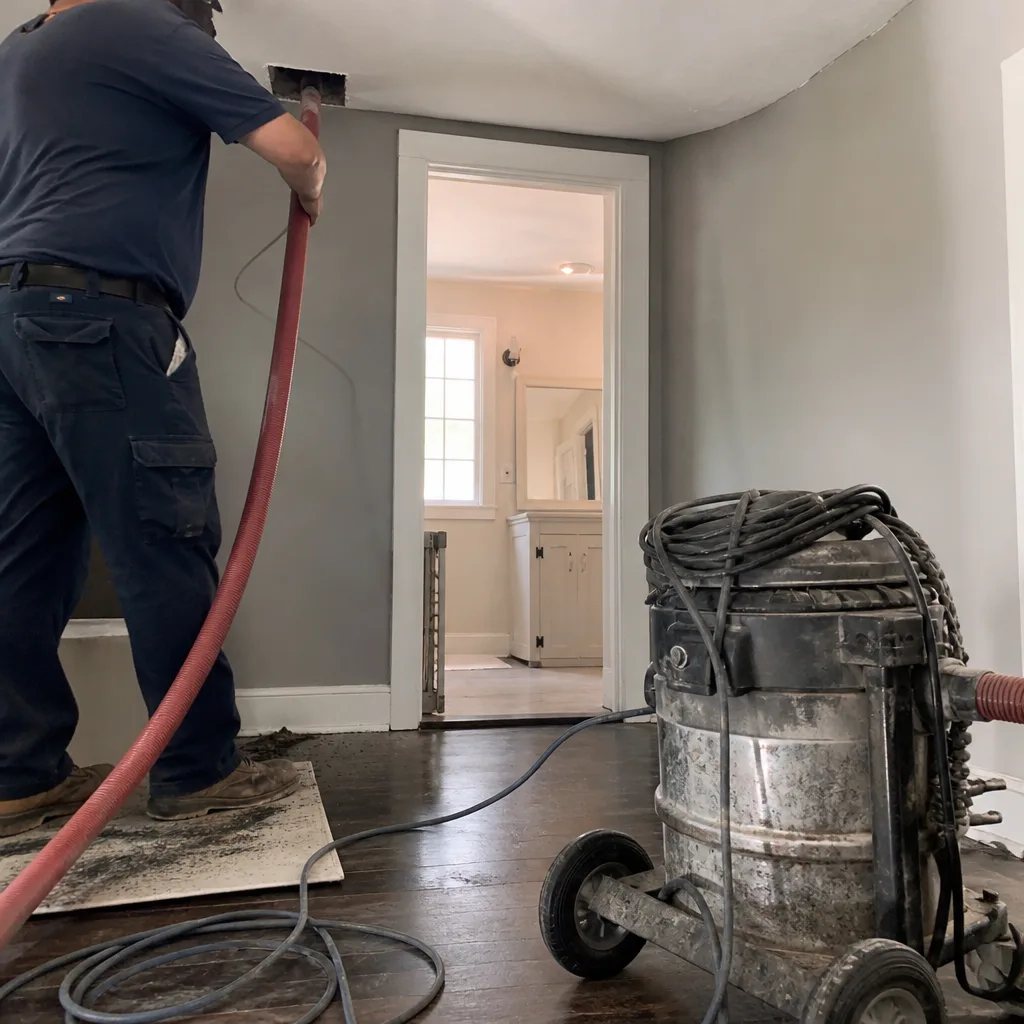 Before
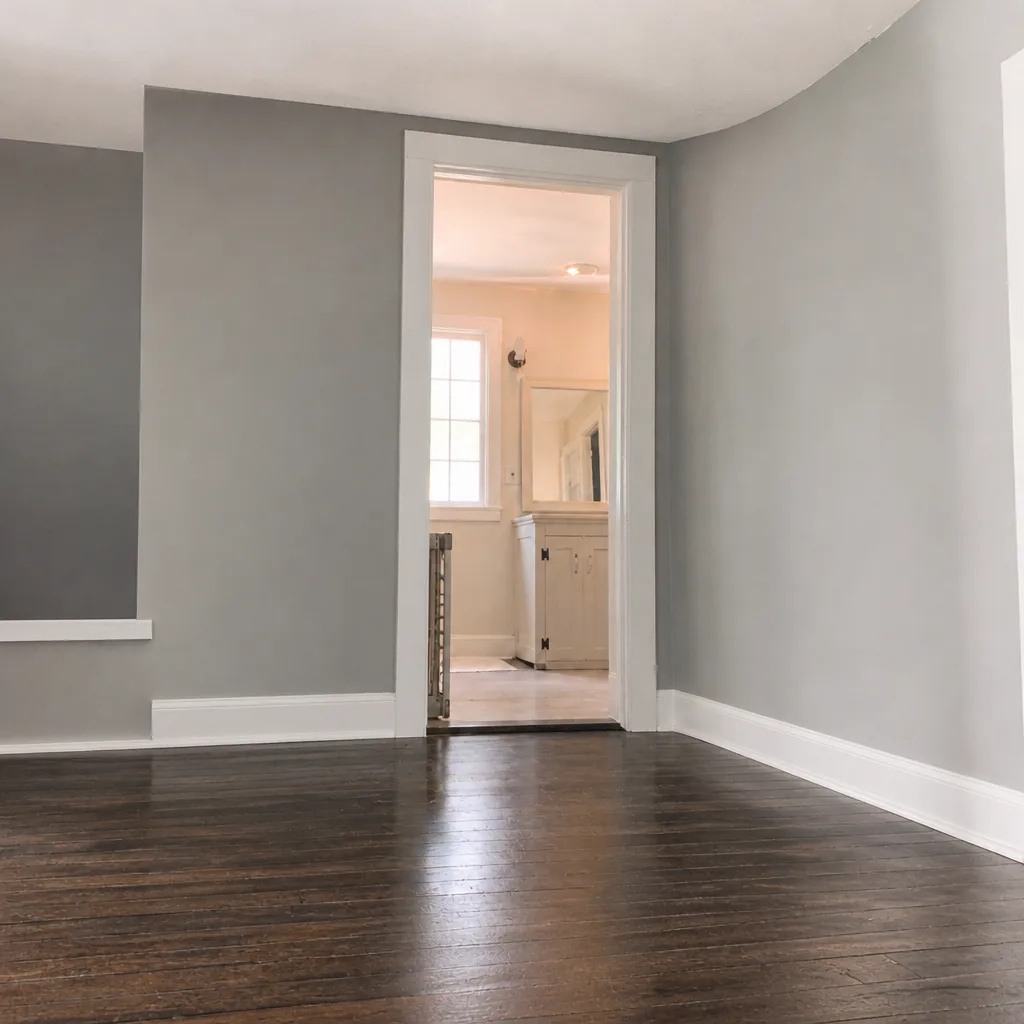 After
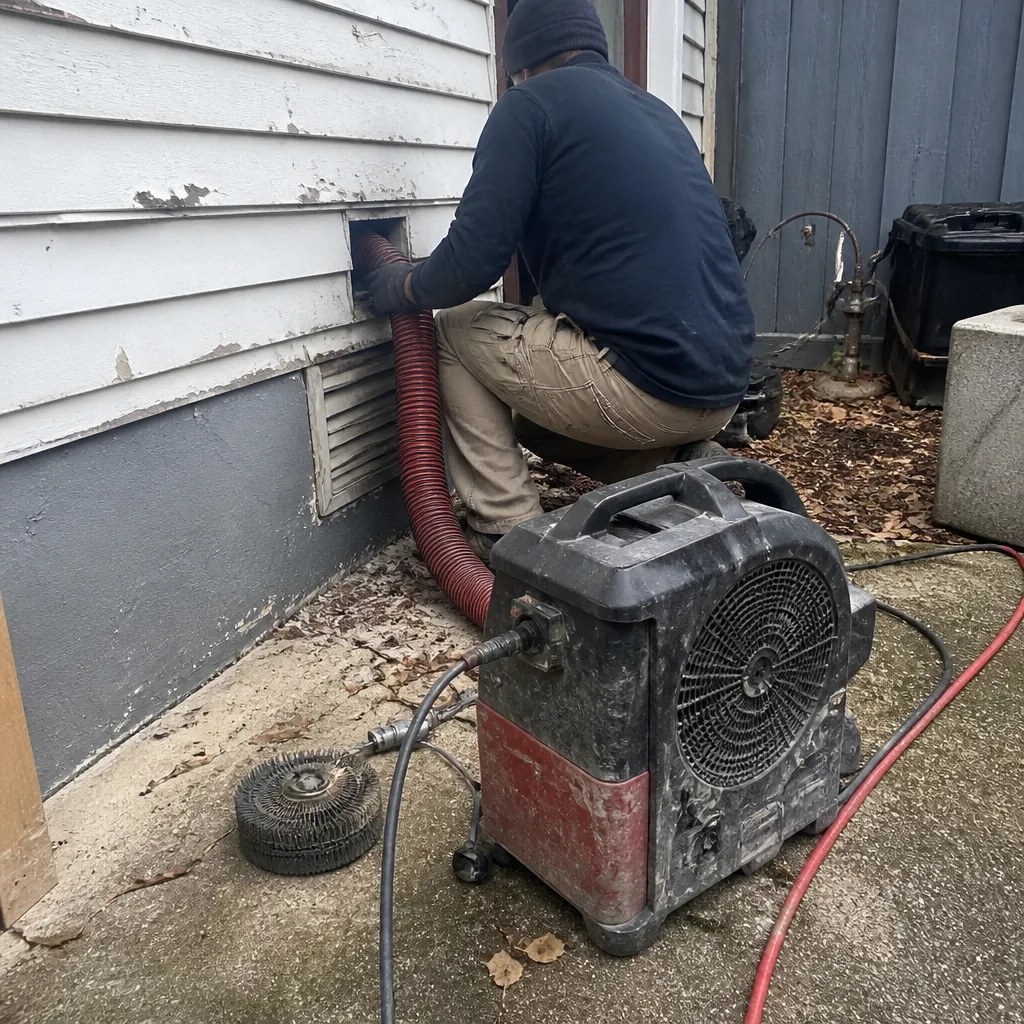 Before
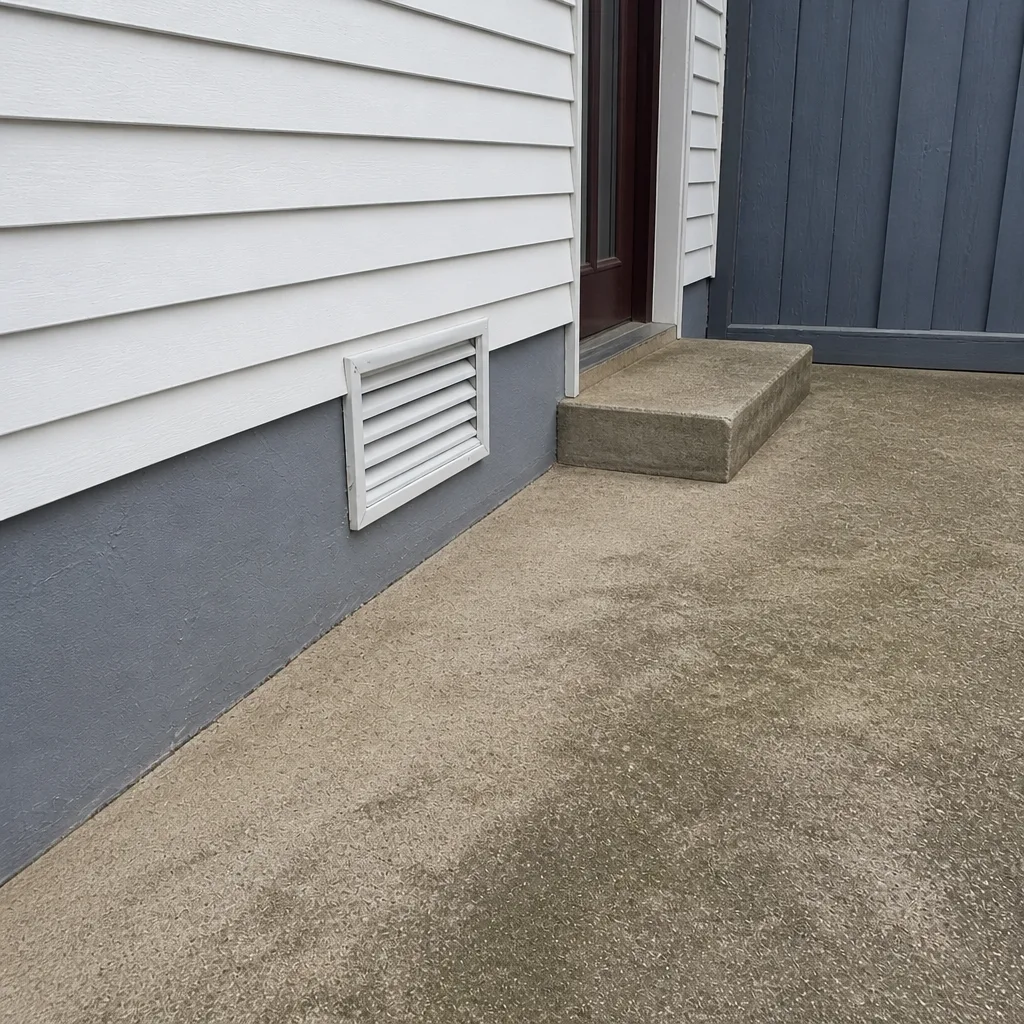 After
 Before
 After