
Last updated November 15, 2026
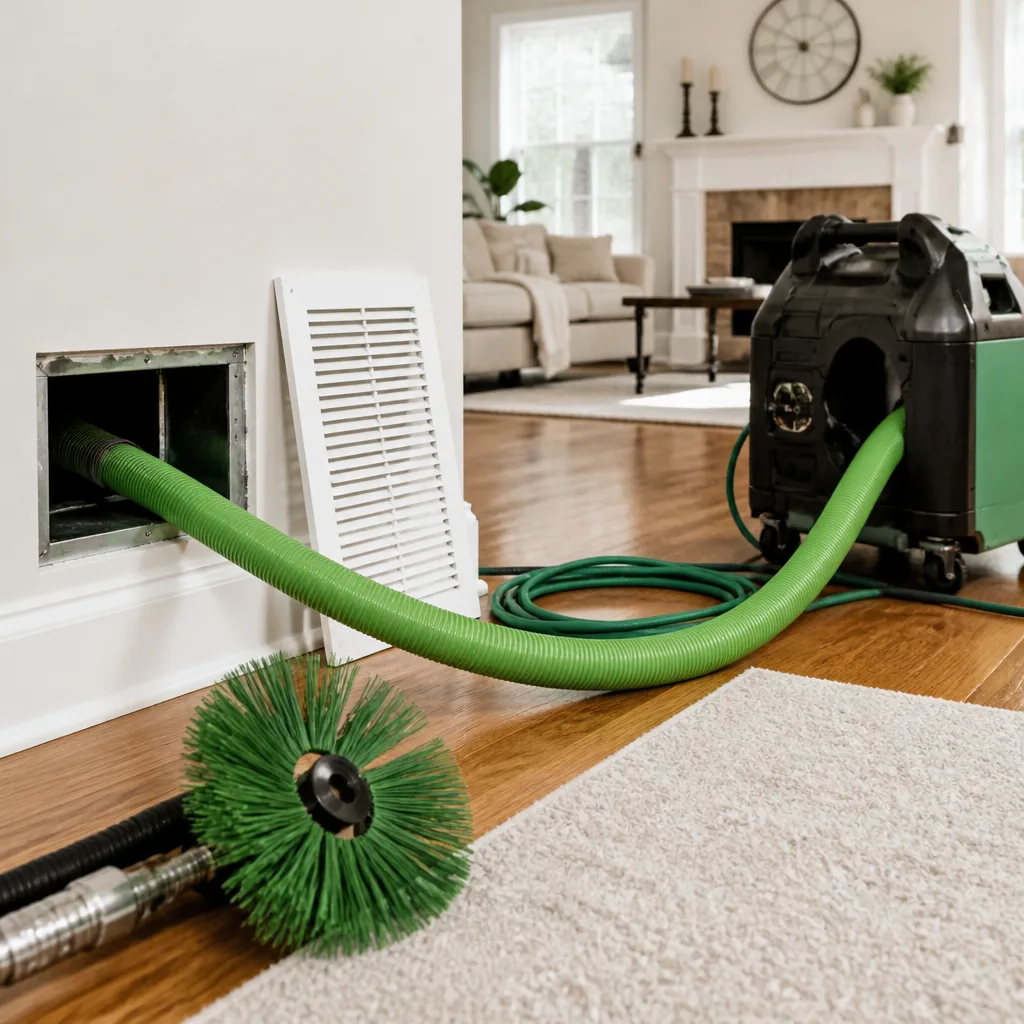 Whole-home duct cleaning
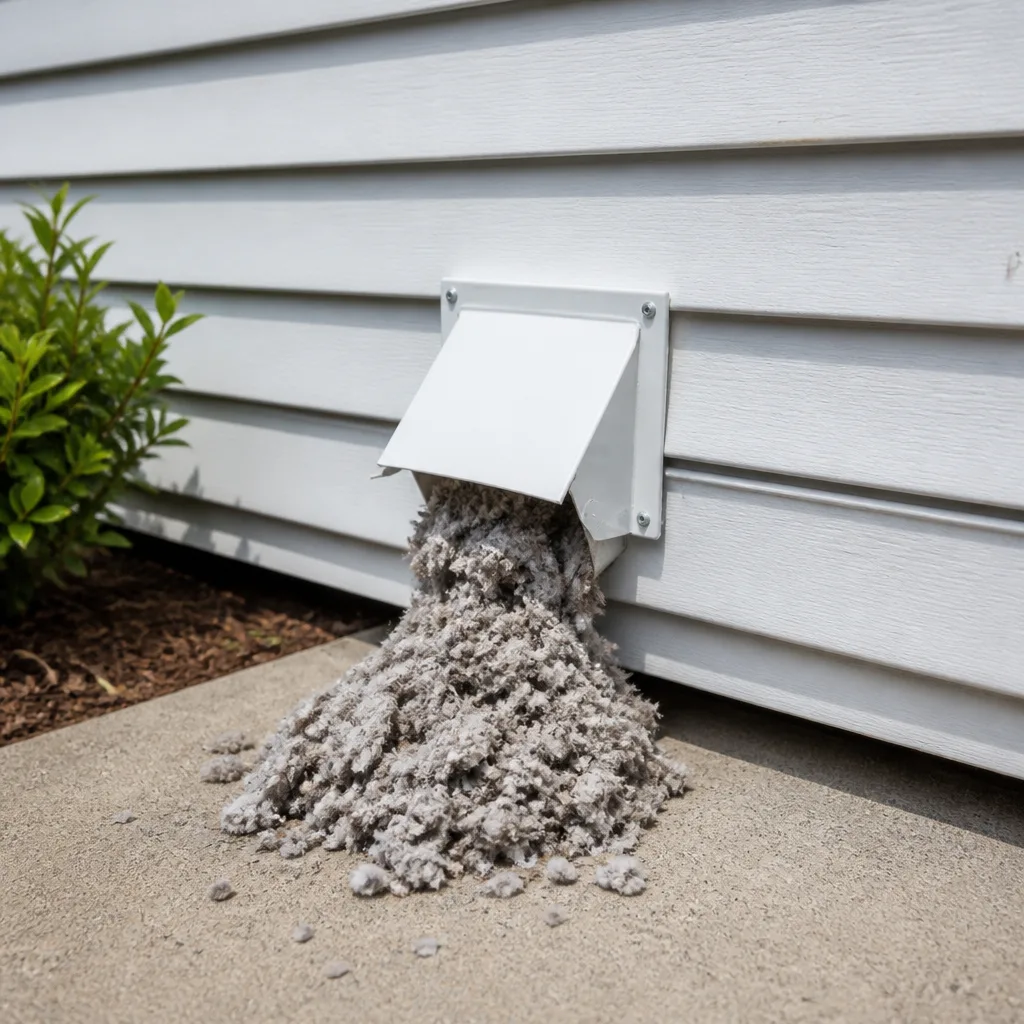 Dryer vent cleaning
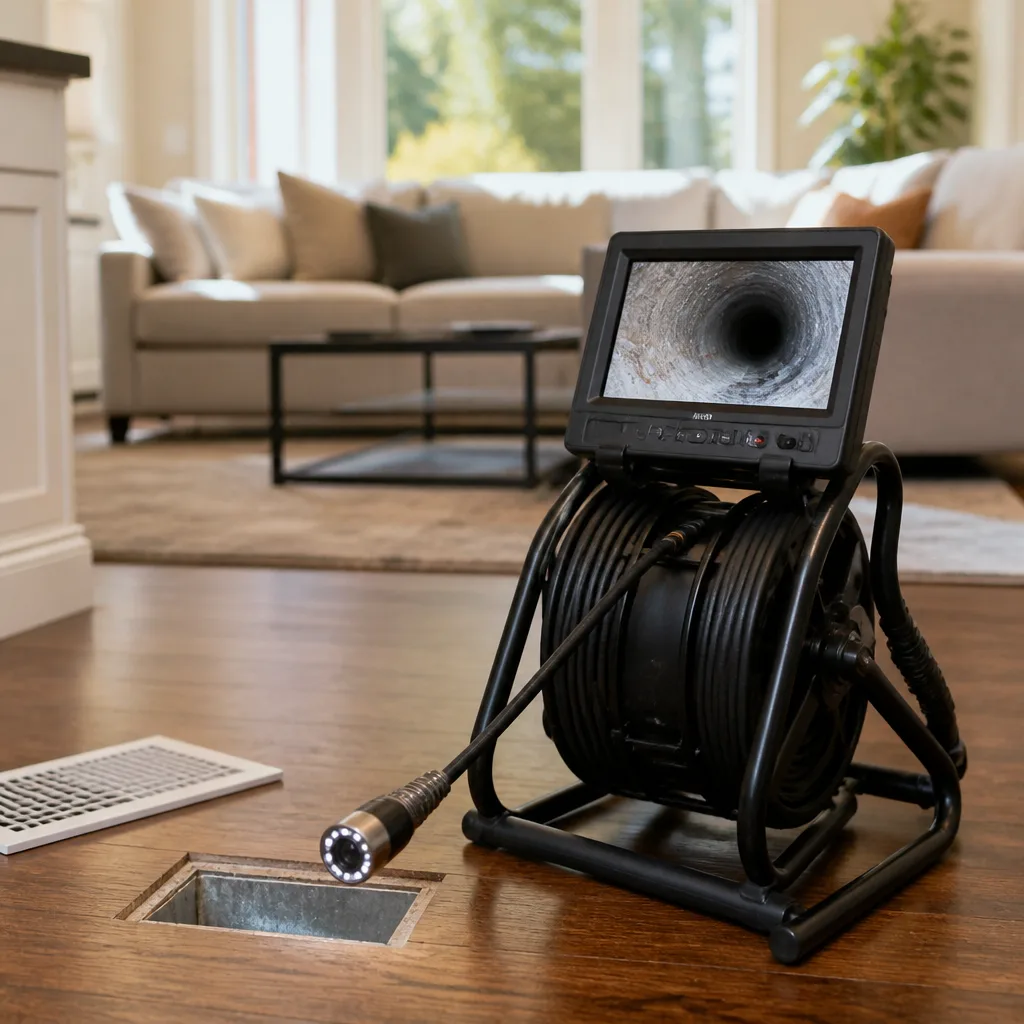 Camera inspection
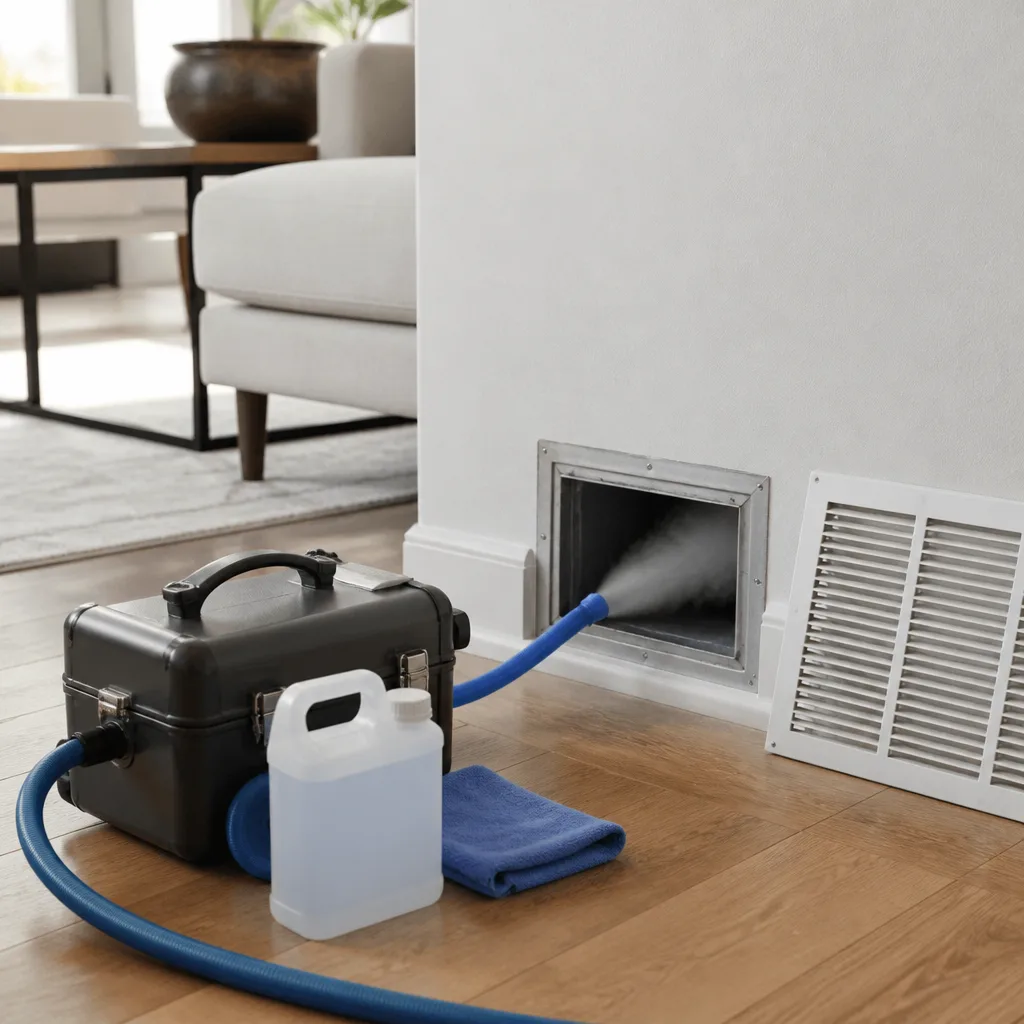 Sanitizing & deodorizing
Whole-system duct and dryer vent check with before-and-after photos - you see exactly what came out of your vents
That "$99 whole-house special" is a bait ad - the real number appears once they are in your hallway, or the "clean" is a shop-vac at the register. We photograph the inside of your ducts before and after instead.
Seasonal Air Duct Cleaning Care for New Orleans: Year-Round Homeowner’s Guide
Most homeowners schedule duct cleaning once and forget it. In New Orleans, that habit costs more than it saves. A single season of deferred maintenance between June and September can undo a full professional cleaning from the previous spring. The reason is the climate itself: New Orleans doesn’t run four equal seasons. It runs a long, humid cooling season, a short and mild winter, two sharp pollen windows, and an unpredictable storm recovery period that reshapes ductwork health in days. Each of those conditions stresses a duct system in a different way, and each asks something different of you. This guide walks through the calendar month by month, so you know what to inspect, when to clean, and when to leave the system alone entirely.
Quick Answer
Air duct cleaning in New Orleans works best on a calendar, not a one-time schedule. Clean before cooling season ramps up in spring (March through May) or right after it winds down in fall (October through November), then watch for moisture during the high-humidity summer months and inspect for water intrusion after any storm. Our technicians have up to 14 years of experience reading New Orleans duct systems, and the pattern is consistent: the homes that clean on schedule stay cleaner and run quieter than the ones that don’t.
Styles & brands we work with
- Whole-home duct cleaning
- Dryer vent cleaning
- Camera inspection
- Sanitizing & deodorizing
Table of Contents
- Why Spring Pollen Matters More Than You Think
- Summer Humidity and the Hidden Mold Risk
- Storm Recovery: What to Check Before Running the System
- Fall Inspection Window: The Best Time to Clean
- Winter: Low-Risk Season, High-Value Work
- Seasonal Cleaning Checklist for New Orleans
- How Professional Air Duct Cleaning Actually Works
Why Spring Pollen Matters More Than You Think
New Orleans has two intense pollen windows: live oak in early spring and grass pollen later in the same season. Between March and May, the air outside carries more fine particulate than at any other point on the calendar. That matters because your air handler runs year-round to some degree, and every hour it pulls return air through your duct system, it drags that particulate along with it. Filters catch some. The rest lands on return plenums, flex duct interiors, and the inside of the air handler cabinet. Once there, it stays until someone cleans it out.
The common misconception is that the filter is doing all the work. It isn’t. Filters catch what’s air-suspended at the moment the air moves through them. Pollen that settles on a duct surface doesn’t re-enter the filter. It accumulates.
What to inspect in spring
- Return plenums and transfer boxes. These are the highest-loading points in most New Orleans homes.
- Filter condition. If it’s grey and matted within thirty days, the system is pulling a lot of particulate.
- The air handler cabinet interior (a technician can check this without disassembly on most systems).
- Visible dust streaks around vent registers, which often signal pressure imbalance rather than general dust.
When to clean
Clean before cooling season starts, ideally in late March or April. If you missed that window and spring pollen has already been loading the filters for a month, you can still clean in May without losing much. The point is to get the heavy loading out before the system runs continuously through the summer.
Summer Humidity and the Hidden Mold Risk
This is the single most important seasonal point for New Orleans homeowners. Between June and September, indoor humidity regularly climbs well past comfortable levels, and duct systems get cold. When a duct runs through an unconditioned space (an attic, a garage ceiling cavity, a crawlspace), cold air inside a warm, humid environment can condense. That condensation collects on duct liners, flex duct interiors, and plenum surfaces. Wherever there’s standing moisture and organic particulate, mold can begin to grow. Duct interiors are exactly that combination in much of New Orleans during a typical summer.
This is where our position as a dedicated duct specialist matters. A general HVAC company that adds duct cleaning as a side service rarely has the equipment to physically strip that liner inside a duct. We use Rotobrush rotary brush systems to agitate the material off the duct wall, and Nikro HEPA-rated vacuums to capture the dislodged material before it moves. Both steps, every time.
What reduces summer mold risk
- Keep the air handler fan on “auto” rather than “on” if you notice condensation issues. Constant fan runs humid air across cold surfaces.
- Set cooling to a stable temperature through the night. Wide day-night swings increase condensation.
- Inspect ductwork in unconditioned spaces for damp liner, visible condensation, or musty smells.
- Consider a whole-home dehumidification or filtration upgrade (Honeywell and Aprilaire systems can be added on the same visit as a duct cleaning).
- Watch for musty smells developing in rooms you don’t use much. Closed-off rooms with cold ducts and humid air are the highest-risk spots.
If you’re seeing a smell rather than just a dust problem, don’t run the system more hoping it clears. That smell is likely coming from the duct interior. Call a specialist to inspect.
Storm Recovery: What to Check Before Running the System
Storm recovery is the one seasonal section that doesn’t follow the calendar. Hurricane season runs June through November, but flooding and roof damage can strike during any of those months. The single most important point in this entire guide: after a storm has caused flooding or roof damage, do not run the HVAC system until the ductwork has been inspected. Running the system can pull moisture, insulation debris, or contaminated material through the entire duct tree and deposit it in every room.
Immediate post-storm steps
- Turn the thermostat to “off.” Whether the power has been restored or not, prevent the air handler from starting until the system has been inspected.
- Visually inspect all accessible ductwork for disconnected sections, sagging flex duct, or water intrusion at ceiling penetrations.
- Check for standing water around the air handler, in the plenum, or inside return cavities.
- Smell the return register in each room. Standing water or flood intrusion leaves a distinct smell at the return even when the room looks dry.
- Call for a professional inspection before you re-energize the system. A camera inspection inside the ductwork is the only way to see what’s settled out of sight.
This is what air duct cleaning in the storm-recovery context really means: not just cleaning, but verifying that the system wasn’t compromised during the event. We use Abatement Technologies filtration equipment, the same class of machinery used in professional remediation projects, when post-storm inspections turn into full duct remediation.
Fall Inspection Window: The Best Time to Clean
October and November are the sweet spot for a full duct cleaning. The cooling season is winding down, the system is about to enter its low-demand phase, and there’s still enough warmth in the air that duct interiors are dry. Cleaning now means the system enters the spring pollen season already clean. We find that homeowners who clean in fall need less work in spring than those who wait until they notice a problem.
In our experience around New Orleans, the fall window also surfaces duct repair needs that a summer-driven cleaning wouldn’t. When the system gets a full inspection after cooling season, small breaches and disconnects are easier to spot. That’s often when a customer learns they’ve been pulling attic air into the system through a small tear in flex duct for years.
What a fall cleaning includes
- Full-system rotary brush cleaning of trunk lines, branch lines, and plenums.
- HEPA capture throughout (Nikro equipment captures dislodged contaminants rather than recirculating them).
- Camera inspection for breaches, disconnected sections, or deteriorating duct material.
- Duct repair on the same visit if issues are found. We repair what others only report.
- Optional upgrade to whole-home filtration (Honeywell or Aprilaire products) while we’re already in the system.
Winter: Low-Risk Season, High-Value Work
Winter in New Orleans is mild, and the cooling system runs less. From a particulate standpoint, that’s a lower-risk period. From a maintenance standpoint, it’s the highest-value time of year. Why? Because a system that runs less can be inspected, sealed, and repaired with less interference from the system itself, and because a duct system that enters winter in good shape starts spring clean.
The work that shines in December, January, and February:
- Camera inspections inside ductwork. The lower system activity means less noise and less chance of dust disturbance during inspection.
- Duct sealing at joints, boots, and plenum connections. Sealing while the system is mostly idle means no pressure test surprises later.
- Duct repair on any breaches or disconnected sections found during a fall or winter inspection.
- Filtration upgrades installed while access is easiest.
Winter is also a good time to address dryer vent cleaning. Lint accumulation in dryer vents is a leading cause of residential fires, and the winter is when many homeowners think about keeping the home safer. Both services on one call covers a lot of ground.
Seasonal Cleaning Checklist for New Orleans
Here’s the calendar compressed into a checklist. Use it as a planning reference, not a rigid rule. Every home has different ductwork, and a home with mature trees will load filters faster than one without.
- March through May: clean before the cooling season starts. Focus on return plenums and air handler cabinets, since polling loading is highest now.
- June through September: watch for condensation in unconditioned spaces, musty smells, and humidity problems. Don’t run the system in hopes of clearing a smell.
- June through November (storm watch): turn the thermostat off after flooding or roof damage. Inspect before running. Call for professional inspection if any room smells off.
- October through November: the best time for a full cleaning. System is winding down, duct interiors are dry, and repair needs are easiest to spot.
- December through February: camera inspections, duct sealing, duct repair, and filtration upgrades while the system is mostly at rest.
- Year-round: change filters per the manufacturer’s schedule and keep an eye on vent-register dust streaks.
How Professional Air Duct Cleaning Actually Works
Most homeowners don’t know what a real duct cleaning involves until they’ve hired a crew that did it wrong. That’s the reason we run both steps every time: agitation plus capture. Half a job is worse than no job, because it dislodges the accumulated material without taking it out of the system.
The two-step method
- Agitation. Rotobrush rotary brush systems physically strip accumulated dust, pollen, lint, and biological growth off duct walls. The brush reaches inside flex and rigid ductwork alike.
- Capture. Nikro HEPA-rated vacuums pull the dislodged material out of the system rather than recirculating it into the house. Abatement Technologies filtration equipment handles larger loads and any remediation-grade material.
Where most contractors stop at cleaning, we also repair. Loose joints, disconnected sections, sagging runs, and liner damage get fixed on the spot rather than reported as a future problem. And because we install Honeywell and Aprilaire air quality systems, filtration improvements can happen at the same appointment rather than requiring a second contractor.
Our technicians have up to 14 years of experience, and the equipment is the standard they work to. If you want to see the bigger picture of what we do, the main New Orleans Duct Cleaning page walks through the whole scope.
Common Mistakes to Avoid
- Wait until you smell something. A smell is the last stage of a problem, not the first. By the time it reaches you, the failure has been building for weeks. In New Orleans, musty smells in summer are usually condensation-driven and get worse quickly.
- Run the system after a storm without inspection. This is the single biggest mistake in New Orleans storm recovery. Running a system with flooded or disconnected ducts spreads contaminated material across the entire house. Turn the thermostat off first.
- Treat cleaning as a one-time event. A full cleaning doesn’t last forever in New Orleans. Spring pollen loading is heavy enough that some homes need it yearly, others every two years, depending on trees and filter quality.
- Trust a low coupon price. Any price quoted before the tech sees the ductwork is a placeholder. The real cost comes from the scope of the job, so a flat quote before inspection is usually bait. Ask for a written estimate after inspection.
- Skip the returns. Return plenums carry the heaviest dust load in a New Orleans home. A cleaning that skips returns is a cleaning that leaves most of the load behind.
- Assume a filter upgrade replaces cleaning. A better filter keeps more out of the system going forward. It doesn’t remove what’s already inside. Do both, in that order.
- Let a small duct breach go. Small tears in flex duct pull unconditioned attic air into the system. In New Orleans summer humidity, that’s the fastest path to a moisture problem inside the ductwork.
See the difference
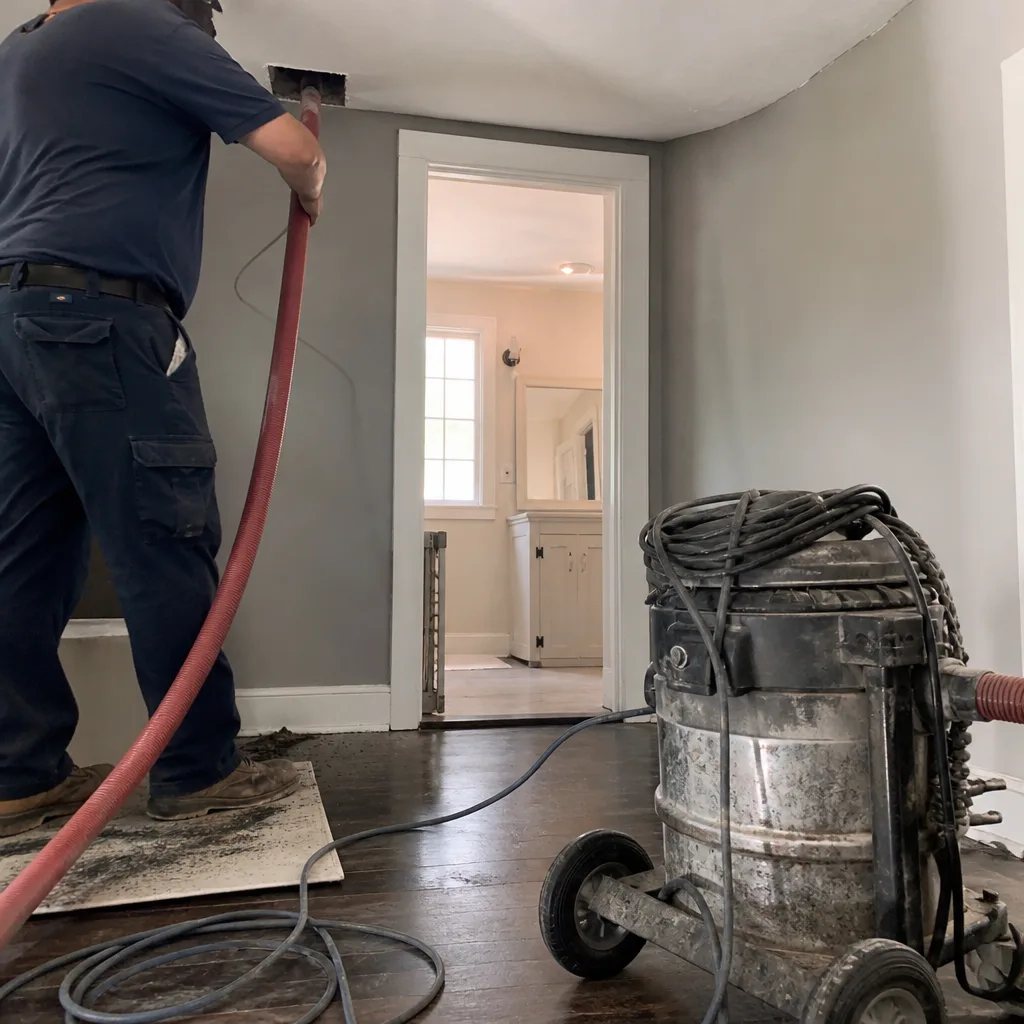 Before
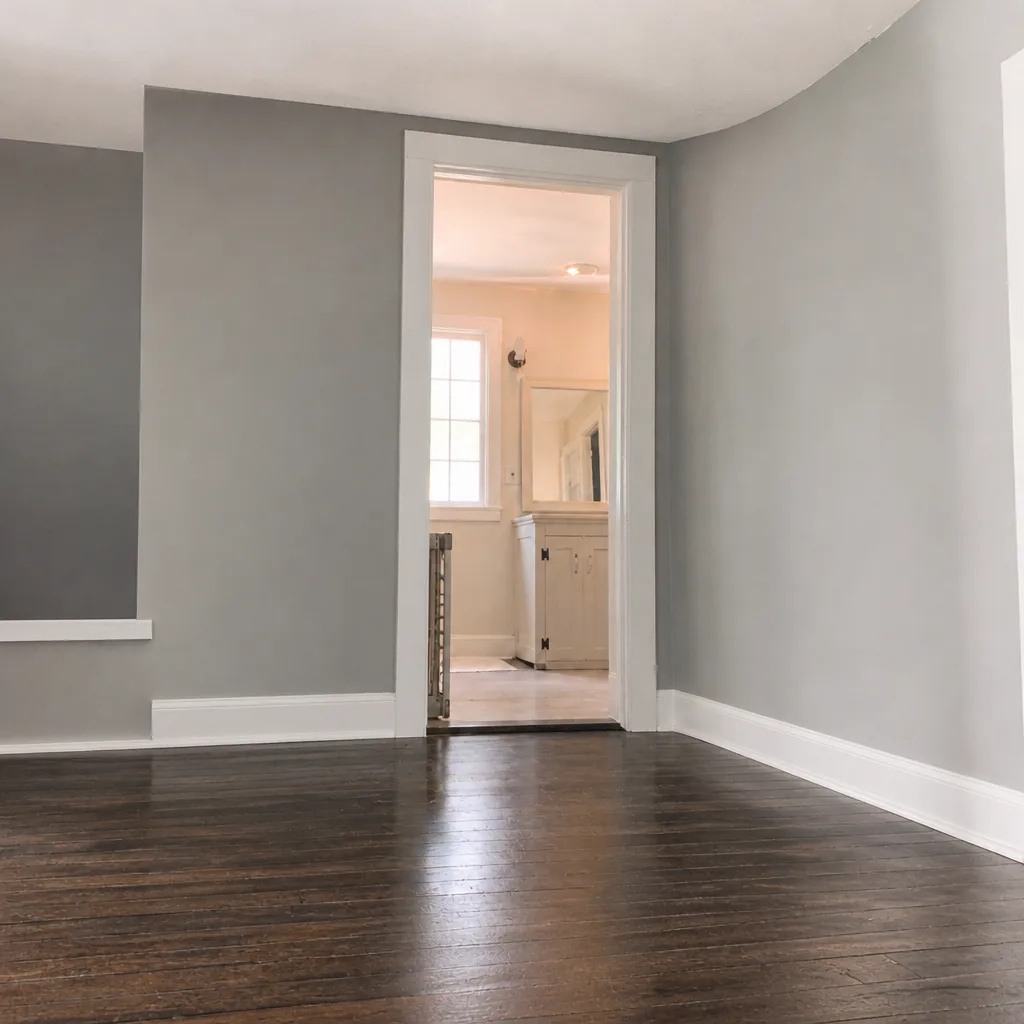 After
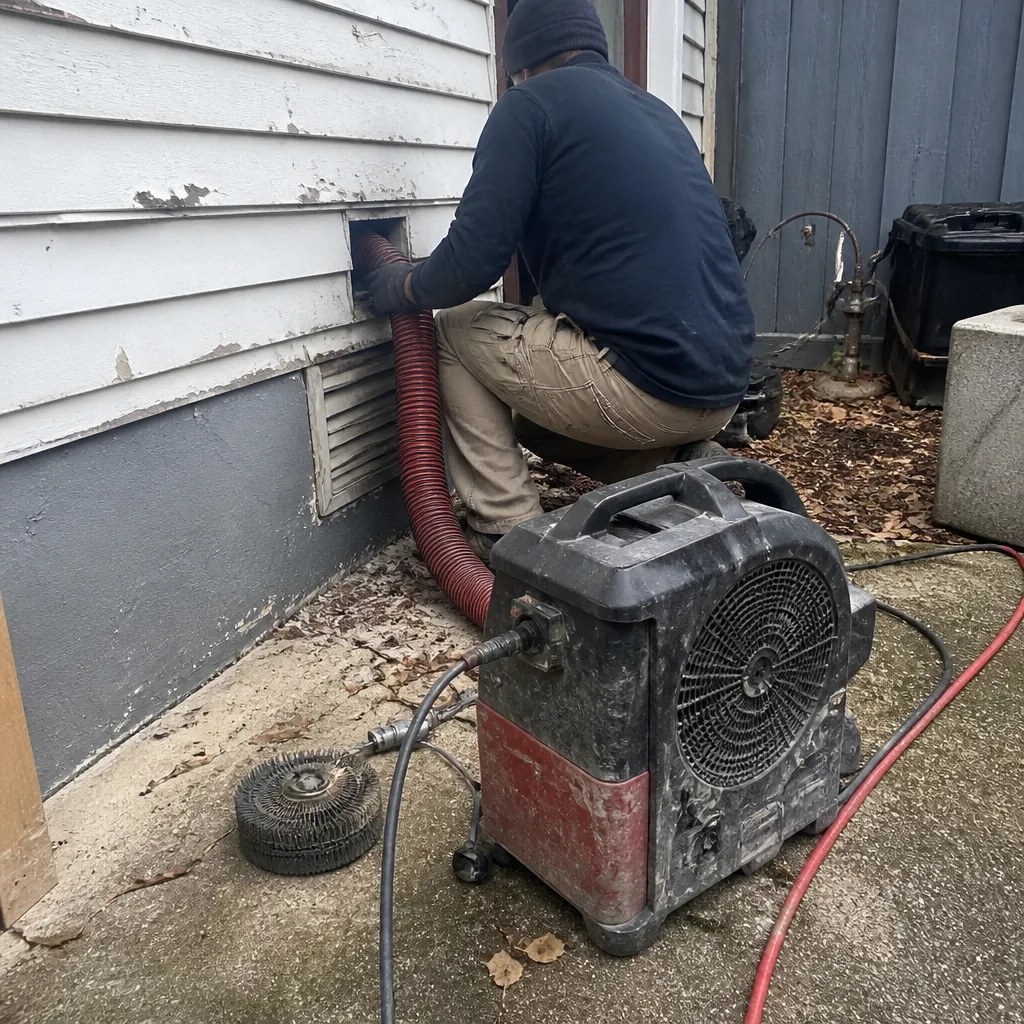 Before
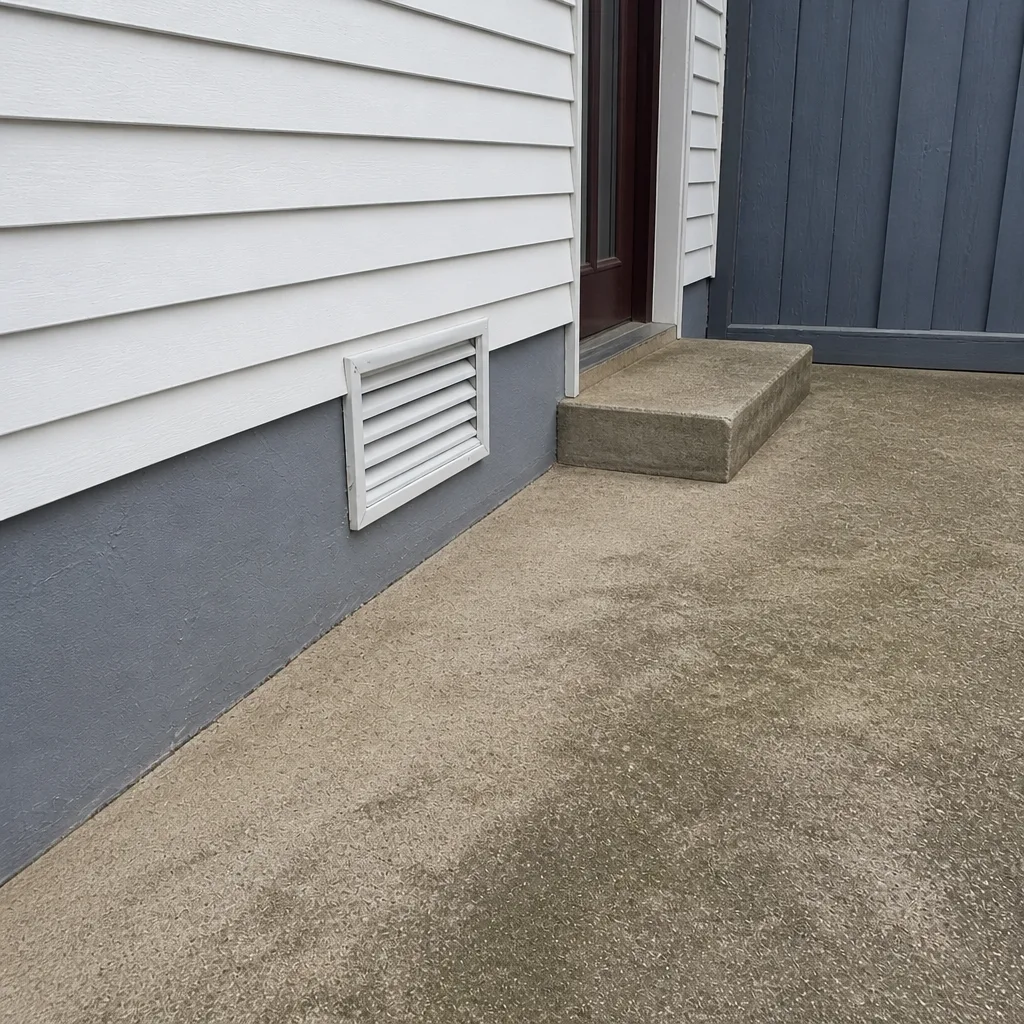 After
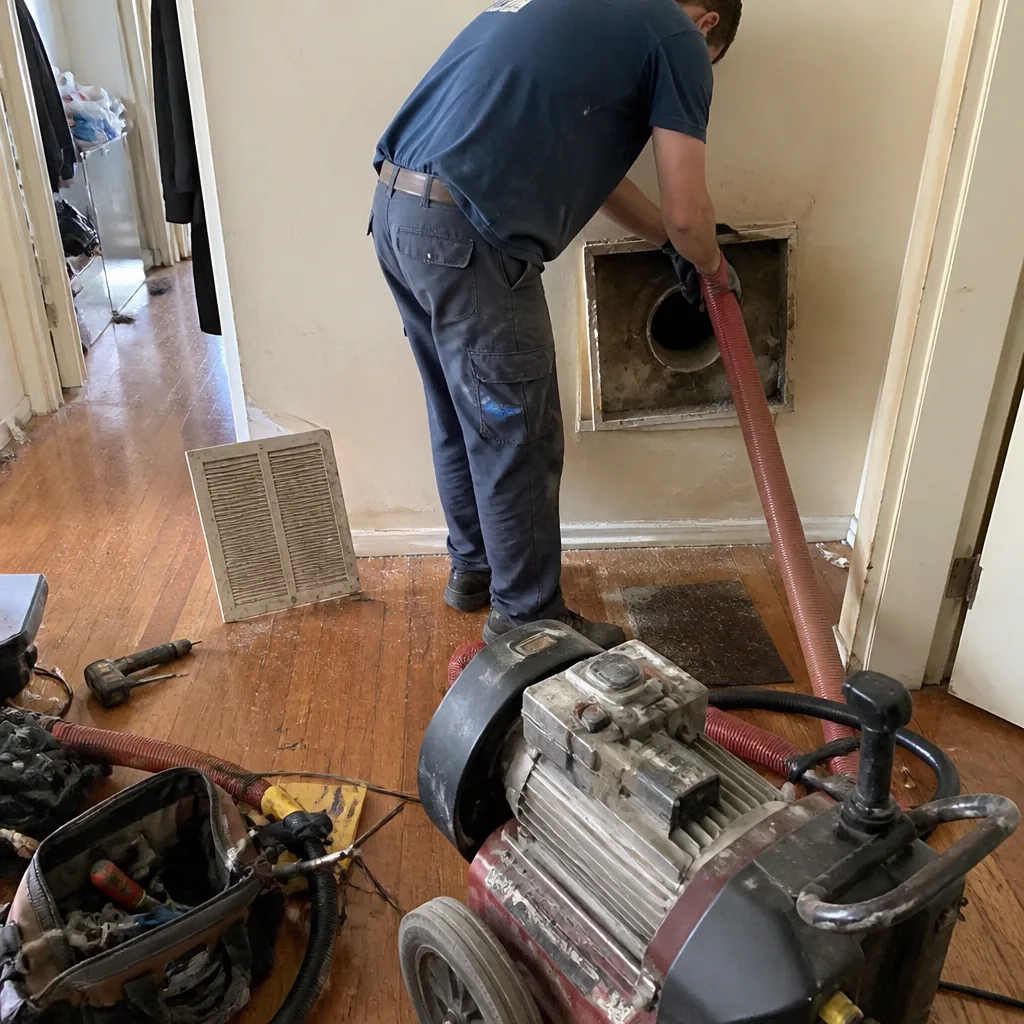 Before
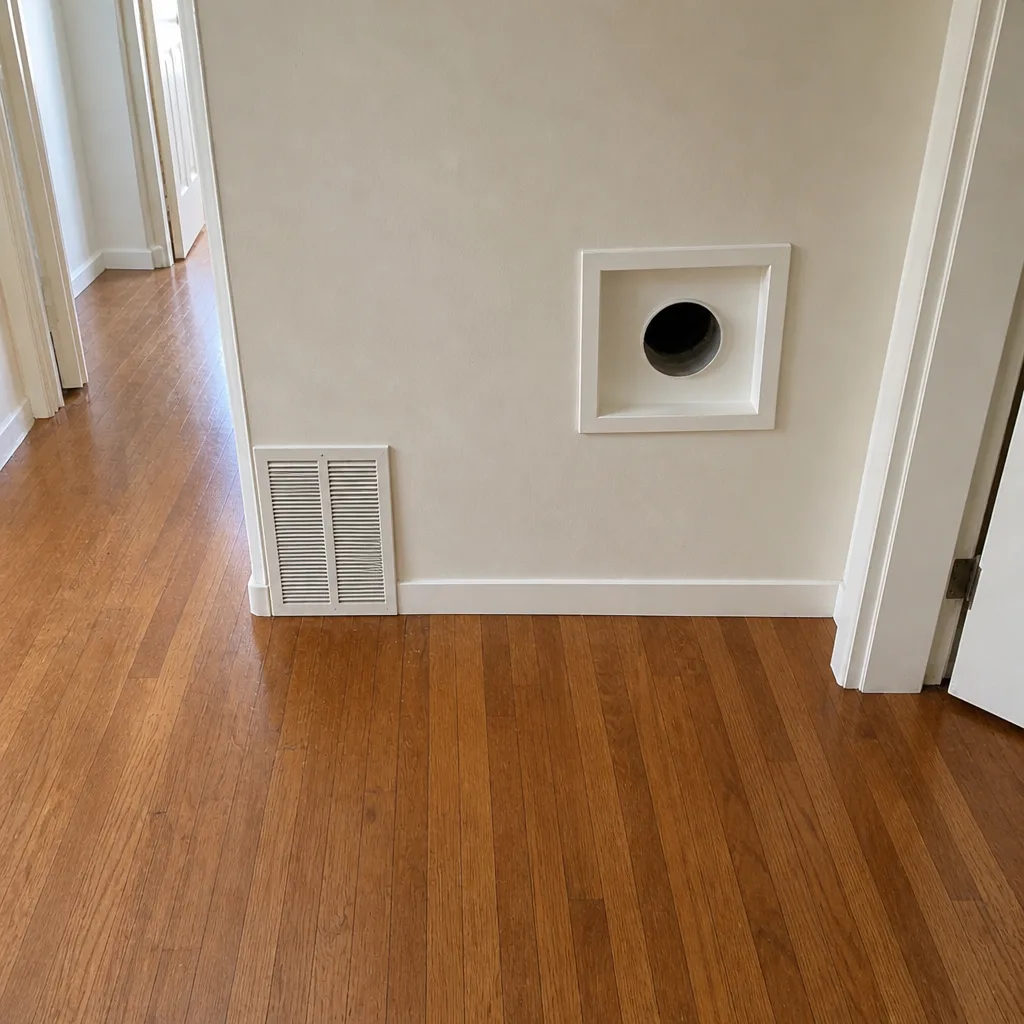 After
When to Call a Professional
Call a professional when the problem is inside the ductwork and you can’t see it, or when the system has been through something that requires inspection rather than a guess. Specific triggers: musty smells that persist after you’ve cleaned the filter, visible moisture or dampness in ductwork or around the air handler, a storm that flooded part of the home or damaged the roof, dust streaks that keep returning within a few weeks of cleaning registers, a home that’s been through major renovation, or a duct system that hasn’t been cleaned in several years. If any of those apply, the right move is a camera inspection and a written estimate. New Orleans Duct Cleaning offers free estimates in New Orleans. Call (833) 749-5104. We answer 24/7, with fast dispatch from 7am to 7pm.
Frequently Asked Questions
Most New Orleans homes need a full cleaning every one to two years. The heavy pollen load in spring and the long cooling season mean a single annual cleaning is realistic for most homes, and a two-year interval works if the home has fewer trees nearby and higher-quality filtration.
Not until the ductwork has been inspected. If any part of the home flooded or the roof was damaged, turn the thermostat off and get a professional inspection before re-energizing the system. Running the system with compromised ductwork spreads moisture and contamination across the entire house.
Condensation inside the ductwork is the most common cause in New Orleans. During the long cooling season, cold air in a warm attic space condenses on duct liners and plenum surfaces, and mold grows where moisture meets accumulated particulate. If the smell comes from the vents, the duct interior is the likely source.
Yes. Filters catch particulate in the air stream, but they don’t remove what has already settled on duct walls, plenums, or the air handler cabinet. A better filter slows future buildup; a cleaning removes the existing load. Doing both in the right order is the right answer.
Fall, typically October or November, is the ideal window for a full cleaning. The cooling season is winding down, duct interiors are dry, and repair needs are easier to spot. Late spring (March or April) is the next best window, right before cooling season starts.
Yes. We repair what others only report. Disconnected runs, torn flex duct, damaged liner, and small breaches get fixed on the same visit as the cleaning, using Guardsman-grade protective products where they apply. A cleaning without repair work can leave a system pulling unconditioned air into the house.
The Bottom Line
New Orleans runs on a calendar that doesn’t match the national average. Spring pollen, summer humidity, storm season, a fall cleaning window, and a mild winter each ask something different from a duct system. The pattern that works: clean in fall or early spring, inspect in summer for condensation and in winter for repairs, and after any storm, turn the system off and get eyes on the ducts before running it again. If you’re not sure where your system stands, get a professional inspection rather than guess. For a free estimate anywhere in the metro, call New Orleans Duct Cleaning at (833) 749-5104. We answer 24/7. Fast dispatch from 7am to 7pm, Sunday through Friday.
Written by the team at New Orleans Duct Cleaning.