
Last updated November 15, 2026
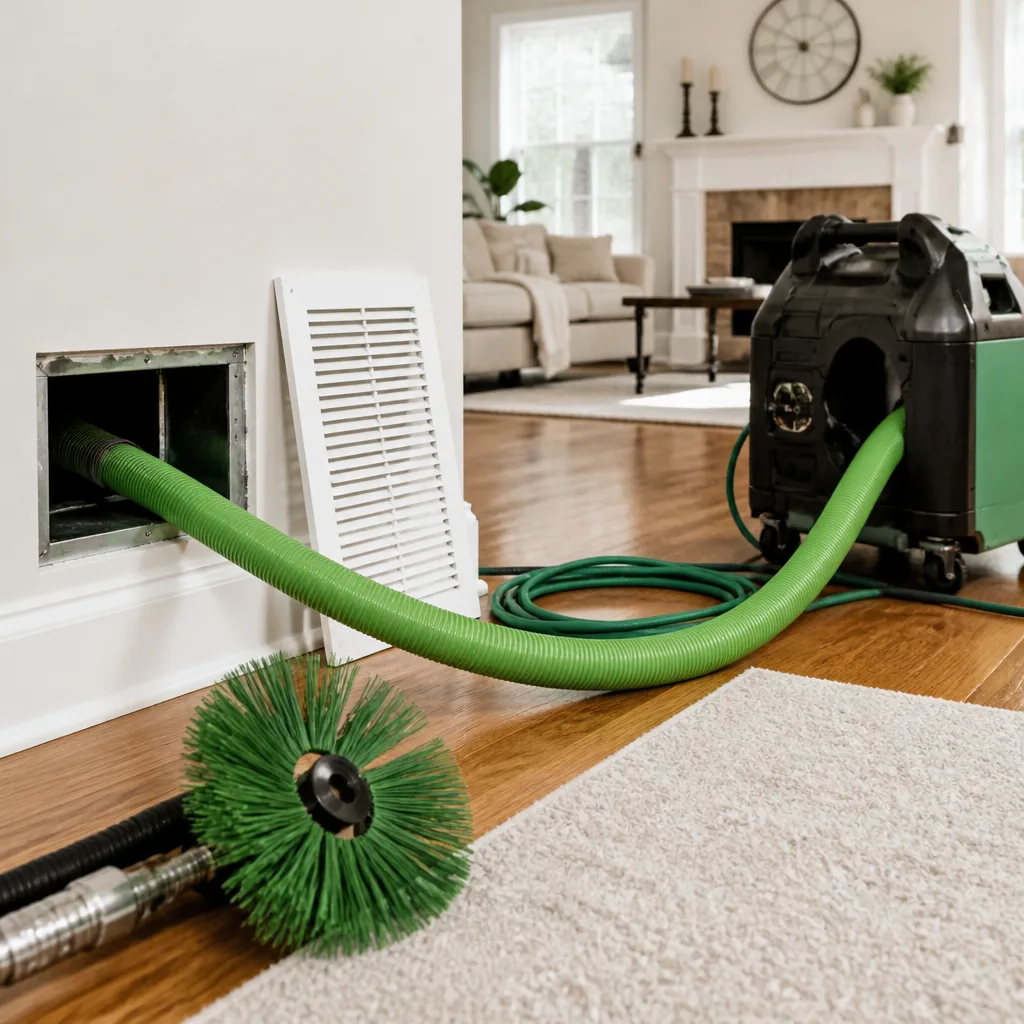 Whole-home duct cleaning
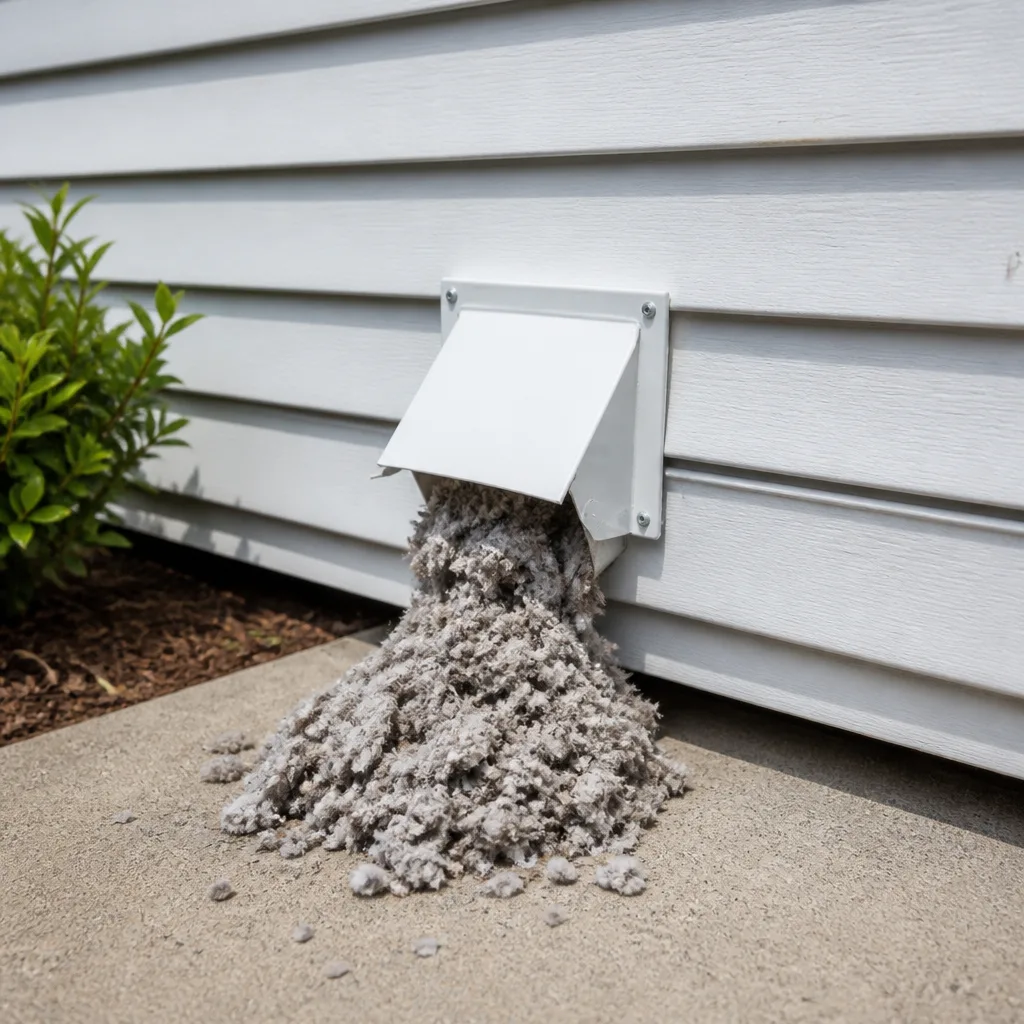 Dryer vent cleaning
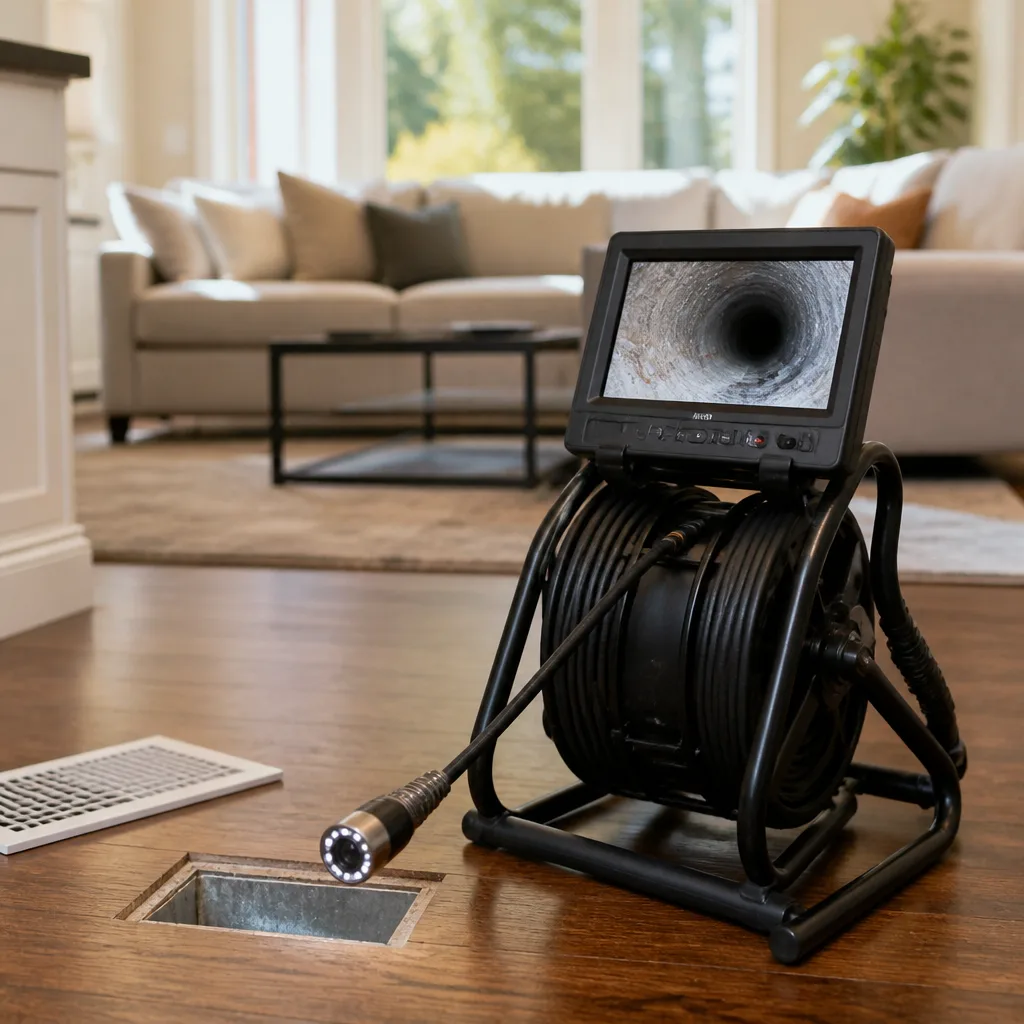 Camera inspection
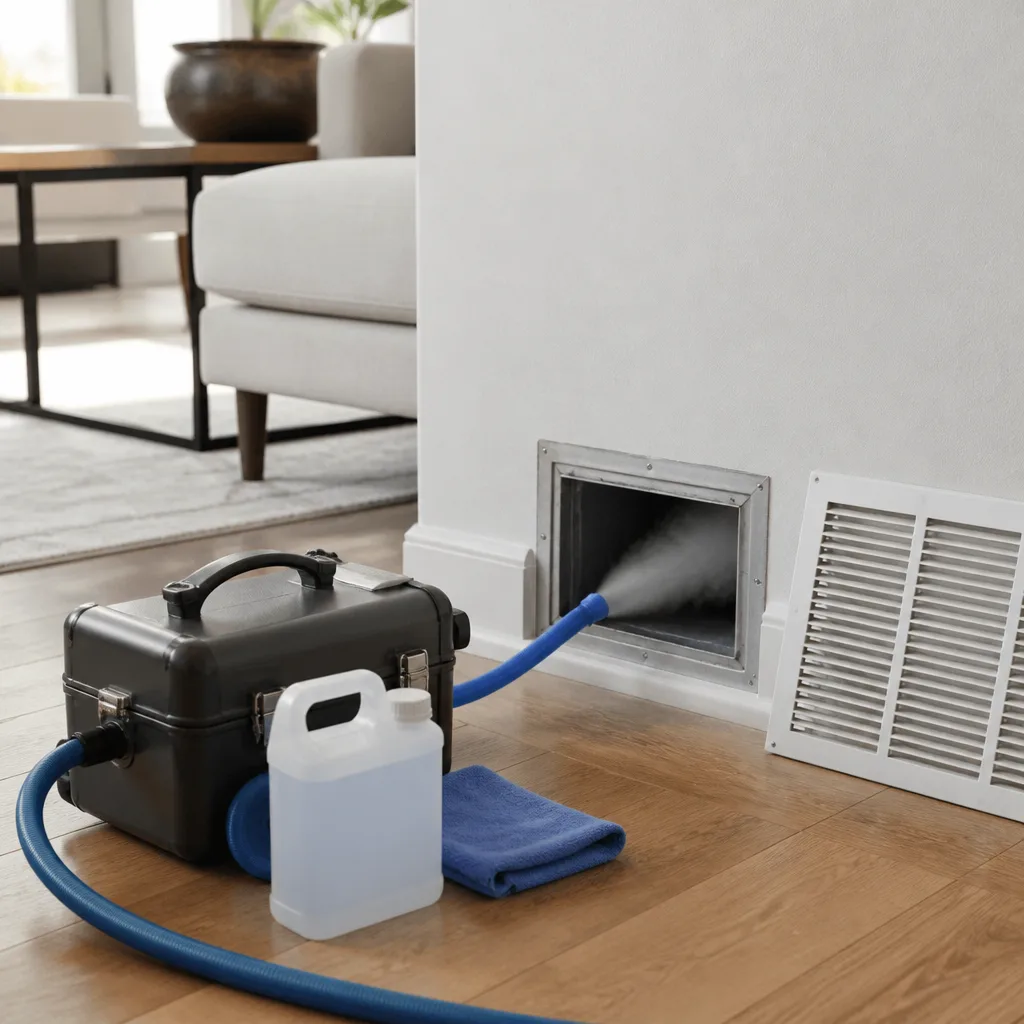 Sanitizing & deodorizing
Whole-system duct and dryer vent check with before-and-after photos - you see exactly what came out of your vents
That "$99 whole-house special" is a bait ad - the real number appears once they are in your hallway, or the "clean" is a shop-vac at the register. We photograph the inside of your ducts before and after instead.
Air Duct Cleaning Maintenance Checklist for New Orleans Homeowners
The standard advice is to change your filter every 90 days and schedule a duct cleaning now and then. In New Orleans, that calendar was written somewhere else. A single stretch of high-humidity summer weather can load a filter well past its capacity in half the time, and that clogged filter is the first step toward contamination that settles inside the ductwork itself. This guide gives you a maintenance schedule built around how homes actually behave here: our long humid season, our two distinct pollen waves, the wind-driven intrusion that follows a storm, and the short dry-down in winter. You’ll get a month-by-month checklist, a way to inspect every supply and return register, a filter-logging method, and the documentation that matters when you file a claim.
Quick Answer
A workable air duct maintenance checklist for New Orleans homeowners runs on a seasonal cycle rather than a flat 90-day filter rule: check filters every 30 days from May through September, inspect registers for dust and odor each season, schedule professional cleaning when you see visible buildup or notice musty smells, and document everything with dates and photos. Peak humidity months and the weeks after a storm are when ductwork problems develop fastest in New Orleans, so those are the two checkpoints that matter most.
Styles & brands we work with
- Whole-home duct cleaning
- Dryer vent cleaning
- Camera inspection
- Sanitizing & deodorizing
Table of Contents
- Why the 90-Day Filter Rule Doesn’t Fit New Orleans
- The Month-by-Month Maintenance Checklist
- What to Check at Every Supply and Return Register
- Logging Filter MERV Ratings Against Seasonal Allergen Loads
- When a Visual Check Isn’t Enough: Camera Inspection
- Documenting Maintenance for Insurance Claims
- Duct Repair: The Part Most Checklists Skip
- Common Mistakes to Avoid
- When to Call a Professional
Why the 90-Day Filter Rule Doesn’t Fit New Orleans
Filter life is measured in how much air moves through it and how much particulate that air carries. Both numbers rise in New Orleans for much of the year. Relative humidity in the summer months stays high enough that the cooling system runs long cycles, pulling a heavy, continuous volume of air through the return. At the same time, the air itself is carrying more material: pollen from the live oaks and the spring bloom, mold spores that thrive in warm damp conditions, and the ordinary dust of a house that keeps its windows closed against the heat.
That combination shortens filter life. A filter that a homeowner in a dry climate could leave for three months can load heavily in half that time in a New Orleans home running a long cooling season. Once a filter is saturated, air takes the path of least resistance. Some of it bypasses the filter media entirely and carries particulate into the plenum and the ducts downstream.
The practical takeaway: treat the 90-day rule as a ceiling, not a target, and let what you actually see at the filter drive the schedule. Here’s what changes the math in a New Orleans home:
- Long cooling cycles. The system runs more hours per day for more months, so it processes more air and traps more debris.
- Humidity. Damp air encourages biological growth on filter media and inside ducts, especially where condensation forms on cold surfaces.
- Two pollen seasons. Spring tree pollen and the late-summer weed pollen each push a distinct load into the return.
- Storm intrusion. Wind-driven rain and debris can find their way into a system through roof penetrations, soffit vents and gaps around outdoor equipment.
We’ve seen how quickly the interval collapses once a home enters peak humidity. A filter that looked serviceable in April can be matted and gray by July. That’s not a maintenance failure; it’s the local climate doing what it does.
The Month-by-Month Maintenance Checklist
Here is the seasonal cycle in the order it happens in New Orleans. Follow it as written and you’ll stay ahead of the two conditions that do the most damage: sustained humidity and post-storm intrusion.
Pre-Summer (March through April)
This is your prep window, before the cooling season ramps up. It’s the best time to catch problems while the system isn’t under load.
- Replace the filter and write the date and MERV rating on the edge of the frame.
- Remove every supply and return grille and look inside with a flashlight. Note any dust matting, debris or discoloration.
- Walk the accessible duct runs in the attic or crawlspace. Look for sagging flex duct, disconnected joints, crushed sections or torn insulation.
- Check that condensate is draining freely and that no standing water sits near the air handler.
- Smell each return grille. A musty or earthy odor at this stage points to moisture somewhere in the system.
- Schedule a professional cleaning if you find visible buildup or you can’t remember the last one.
Peak Humidity Months (May through September)
This is the interval where the standard advice breaks down. Check the filter every 30 days, not every 90. Look at it against a light: if you can’t see light through the media, change it. Watch the registers for new dust streaks, and pay attention to whether any room feels harder to cool than it did in spring, which can signal restricted airflow.
Post-Storm (Any Month)
After any significant wind or rain event, do a dedicated inspection before you run the system normally.
- Check outdoor equipment and the connections where ducts meet the house for water intrusion.
- Look inside return grilles for grit, leaves or debris that blew in.
- Smell for dampness. If you detect it, don’t run the fan on a continuous setting until the source is found.
- Photograph anything you find, with dates, for later documentation.
Winter Dry-Down (December through February)
The humid season eases and the system runs less. Use the cooler months to catch up: replace the filter, do a full register inspection, review your maintenance log, and book a professional cleaning or camera inspection if the year’s notes flagged anything. This is also the most comfortable time to have duct repair work done, since the system isn’t carrying a heavy cooling load.
What to Check at Every Supply and Return Register
A register is a window into the duct behind it. When you check each one, you’re looking for the same handful of signals, and they mean different things depending on which side of the system you’re on. Returns show you what’s coming in. Supplies show you what’s being delivered.
What to look for
- Odor. Hold your face near the grille while the fan runs. Musty, earthy or sour smells suggest moisture and biological growth in the ducts or at the air handler. A chemical or burning smell is a different issue and worth a professional look.
- Visible particulate. Shine a flashlight along the inside edge of the grille and the first few inches of duct. A fine even film is normal dust. Clumps, matting, or debris stuck to the walls means material is accumulating and not just passing through.
- Airflow resistance. Hold a tissue or a thin strip of paper at the supply grille with the fan running. It should flutter strongly. Weak or uneven airflow at one register while others are strong points to a blocked or disconnected run, or a crushed flex duct.
- Dust streaking. Dark streaks around a grille or along the ceiling near it often mean air is escaping around a poorly sealed register boot, carrying dust with it.
- Condensation or staining. Water marks, rust at the grille, or dampness around the register point to a moisture problem that needs fixing before any cleaning will hold.
Record what you find at each location. A simple table with the room name, date, and observation turns a vague sense that “the house is dusty” into a record you can compare season to season. In our experience, that record is what tells you whether a duct cleaning is actually due or whether you’re chasing a filtration problem instead.
Logging Filter MERV Ratings Against Seasonal Allergen Loads
MERV is the rating that tells you how effectively a filter captures particles of a given size. Higher MERV captures more, but it also creates more airflow resistance, and a system not designed for it can lose efficiency or strain the blower. In New Orleans, where the allergen load swings through the year, matching the filter to the season is more useful than picking one rating and leaving it.
A filter log doesn’t need to be complicated. A sheet of paper taped inside a cabinet, or a note on your phone, with four columns does the job: date installed, MERV rating, date checked, condition observed. Here’s how to use it through the year:
- Spring (tree pollen): This is when the live oak pollen load is at its worst, and a filter loads fast. Log a check every 30 days and note buildup. If you want extra capture during this window, confirm with a professional that your system can handle the higher MERV before you switch, since not every blower moves enough air for a dense filter.
- Summer (humidity and mold spores): The warm, damp months favor mold growth, and the cooling system runs hard. Keep the 30-day check and watch for damp-smelling filter media, which means moisture is a factor and not just particulate.
- Fall (weed pollen): A second pollen wave arrives. Keep the 30-day cadence until the load drops.
- Winter (dry-down): The load eases. You can return to a longer interval, but keep logging so next spring starts from a known baseline.
When you’re ready to upgrade filtration permanently rather than chase it season to season, a whole-home air quality system installed in line with your ductwork does more than a register filter can. We supply and install Honeywell and Aprilaire systems, so filtration can be upgraded at the same appointment as a duct cleaning instead of needing a second contractor. Whatever rating you choose, log it. The log is what reveals the pattern over a full year.
When a Visual Check Isn’t Enough: Camera Inspection
A flashlight at the register shows you the first few inches of a duct. It cannot show you the inside of a full run, a trunk line, or the interior of flexible duct where it turns a corner. In a New Orleans home, that unseen length is often where the real story is: condensation that collects on a cold surface, biological growth where air moves slowly, or debris that settled after a storm.
A camera inspection answers the questions a flashlight can’t. When is it worth asking for one?
- You’ve cleaned the registers, changed filters on schedule, and the musty odor persists.
- Someone in the household has ongoing allergy symptoms that don’t ease with better filtration.
- You’ve moved into a home and don’t know the history of the ductwork.
- There’s been a flood or a storm event, and you need to verify the ducts are actually clean and dry, not just dry on the surface.
- Airflow at one or more registers is weak and you can’t find a visible cause.
A camera inspection turns guesswork into evidence. It shows whether the duct interior is clean, whether there’s growth or debris, and whether there’s a breach. That evidence matters for your own decisions and, after a flood or storm, for the documentation a claim may require. Don’t rely on a visual check to verify a deep problem; if the signs point inside the ducts, ask for a camera.
Documenting Maintenance for Insurance Claims After Flooding or Storm Events
If water or wind-driven debris reached your ductwork, your records become part of the claim. Carriers generally won’t accept a verbal description of what was cleaned or repaired; they want a paper trail that ties specific findings to specific dates and specific work. Here’s what to keep.
- Date-stamped photos before and after. Photograph each affected register, duct run and the air handler before any cleaning begins, and again after work is complete. Include something in the frame that identifies the location.
- A written scope of what was found and done. A report that lists the ducts inspected, what condition they were in, and what services (cleaning, repair, or both) were performed on each.
- Equipment records. Note the equipment used. A professional operation documents whether filtration and vacuum equipment was used, since that’s what distinguishes genuine contaminant capture from a surface wipe-down.
- Receipts and service dates. Keep every invoice with the date and the itemized work.
- Repair documentation. If a duct was disconnected or damaged and then repaired, the repair should be documented, along with any materials used, so the carrier can see the system was restored, not just cleaned around.
In our experience, the homeowners who have the smoothest claims are the ones who documented before they had a loss. A maintenance log that goes back a year or more demonstrates the system was cared for, and the post-event record shows exactly what changed. Build the record now, not after the storm. For more on how New Orleans homes handle the humidity and how we approach the work, see our New Orleans service overview.
Duct Repair: The Part Most Checklists Skip
Every checklist above assumes the ductwork is intact. Often it isn’t. Disconnected joints, crushed flex runs, torn insulation and failed seals are common, and they undo the value of a cleaning if they go unfixed. A sealed system delivers clean air; a leaking one pulls attic dust, insulation fibers and outdoor air into the supply, which is exactly what you were trying to avoid.
This is the gap in duct maintenance that gets missed. Many cleaners will flag a breach and hand you a finding; fixing it is a separate trade they don’t offer. We repair what others only report. Duct repair sits alongside cleaning as a core service, which means a breach found during an inspection is addressed in the same visit rather than left for someone else to handle.
What a repair visit covers depends on what’s found:
- Reconnecting and sealing. Rejoining a disconnected run and sealing the joint so it holds.
- Replacing crushed or deteriorated sections. Flex duct that has lost its shape or integrity gets replaced, not patched.
- Restoring airflow. Straightening runs where possible so the system moves the air it was designed to move.
- Protective finishing. We incorporate Guardsman-grade protective products into service where lasting results matter.
If a register check shows an airflow or dust-streak problem, get the duct itself looked at before the next cleaning. Cleaning a system with a hole in it is time and money spent on a problem that will return. For the full cleaning process, see our air duct cleaning guide.
Common Mistakes to Avoid
- Following the 90-day filter rule year-round. In a New Orleans summer, that interval is too long. Check every 30 days from May through September and let the filter’s actual condition set the schedule.
- Running the fan continuously with a loaded filter. A saturated filter doesn’t stop air; it forces the system to pull air around the filter, pushing particulate into the ducts. Change it, then restore the setting.
- Assuming a lower-cost cleaning means a lighter clean. Bait-and-switch is the reputation problem in this industry: a low teaser price that grows into a bigger invoice once a crew is on site. One flat price per system, agreed before work starts, with before-and-after photos of your own ducts, is what fair looks like.
- Ignoring what the register is telling you. A musty smell or visible matting behind a grille is a signal, and a visual check at the register only reaches the first few inches. If the signs are there, ask for a camera inspection rather than guessing.
- Cleaning without repairing. Disconnected or damaged ductwork lets attic dust and insulation into the supply. A cleaning that doesn’t address a breach won’t hold, which is why duct repair belongs in the checklist.
- Skipping the dryer vent. It’s a separate system from the air ducts, but it belongs in the same home-safety routine. Dryer vent cleaning is a dedicated service for us, not an add-on, and it addresses a leading cause of residential fires. See our dryer vent cleaning page for how it works.
- No records. Without dates and photos, a maintenance history is just a memory. Build the log before you need it, especially if you might file a claim after a flood or storm.
When to Call a Professional
Some jobs belong on your own checklist; some need equipment you can’t buy at a hardware store. Call a professional if you see visible buildup or matting inside more than one register, if a musty odor persists after filter changes, if one or more rooms won’t cool evenly, if you’ve found a disconnected or crushed duct, or if a storm or flood has reached the system. Those are the signs that the interior of the ductwork needs to be seen, not just checked at the grille.
When you call, ask what equipment will be used. A serious operation agitates debris and captures it, both steps, every time. Our technicians have up to 14 years of experience, and we use professional-grade Rotobrush rotary brush systems with Nikro HEPA vacuum equipment, plus Abatement Technologies air filtration equipment in a class that matches professional remediation work. New Orleans Duct Cleaning offers free estimates in New Orleans: call (833) 749-5104.
See the difference
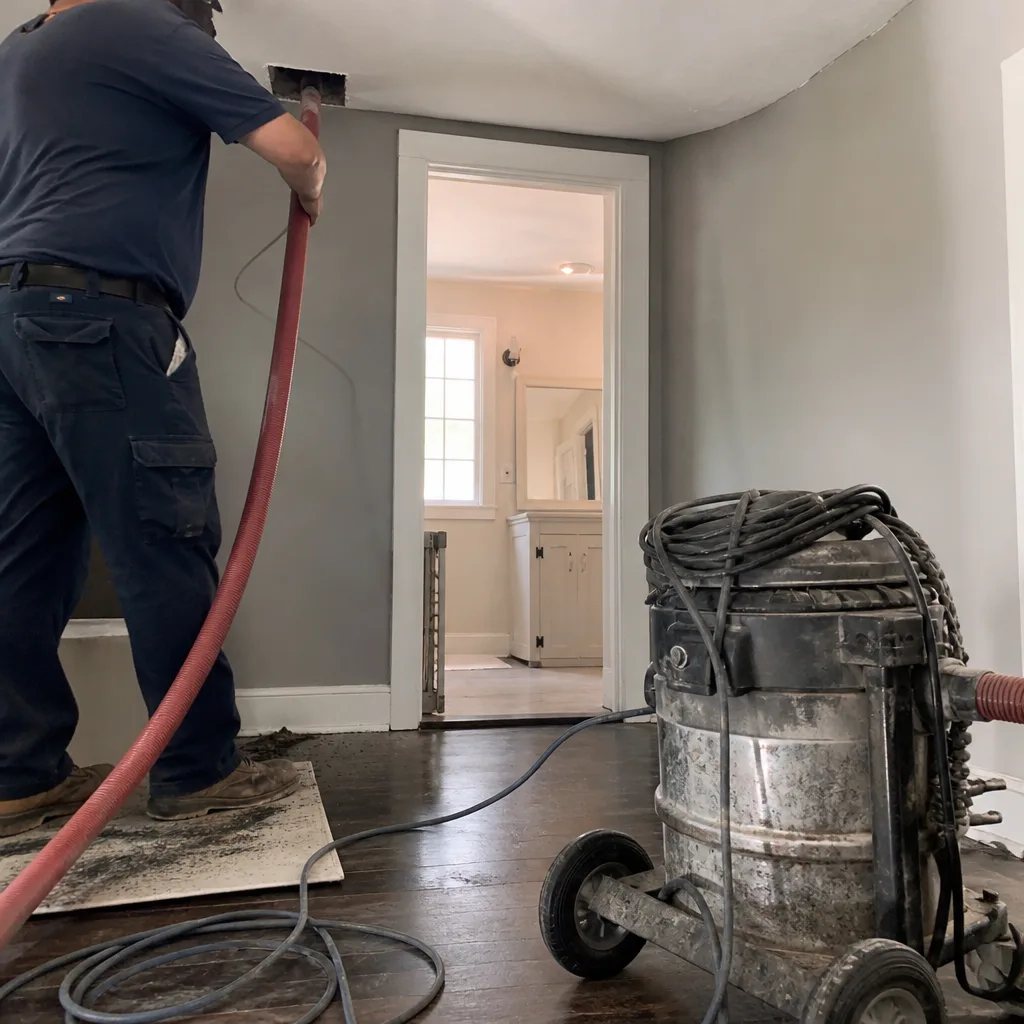 Before
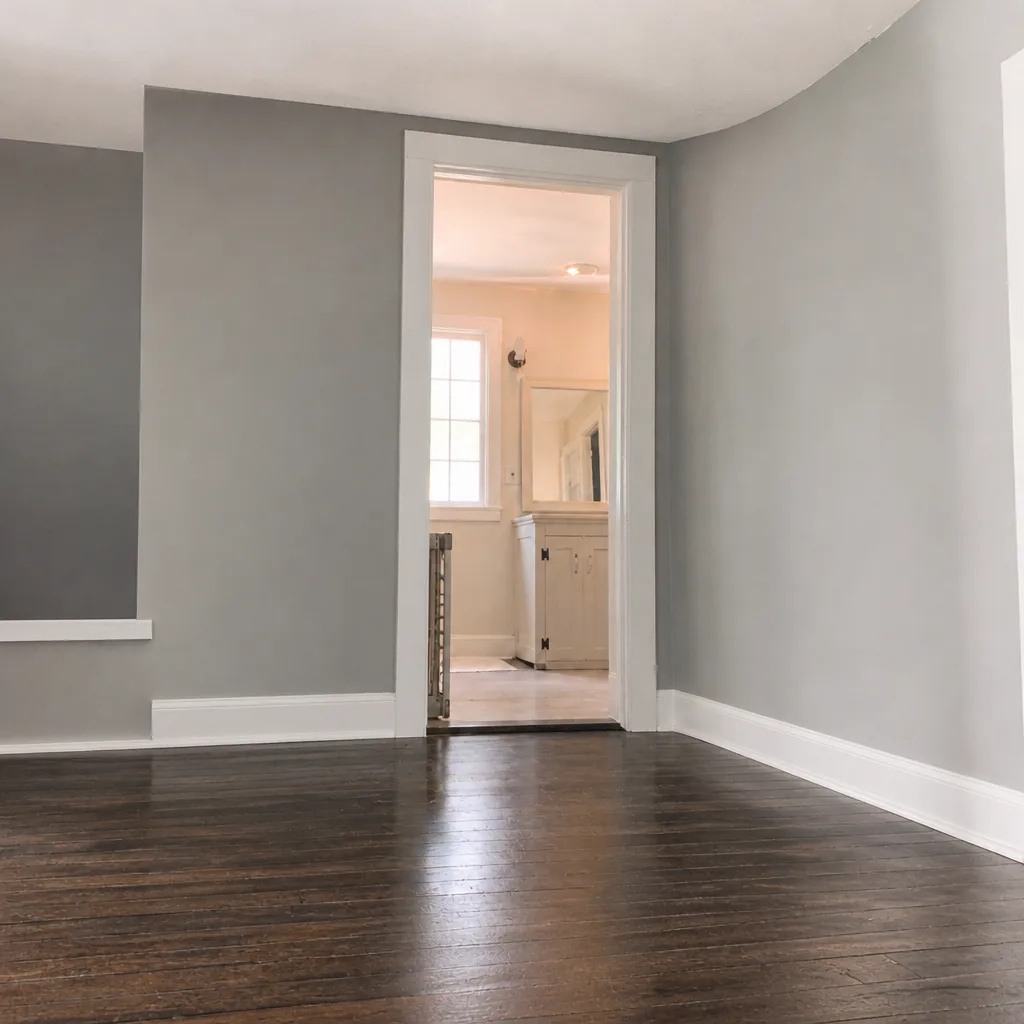 After
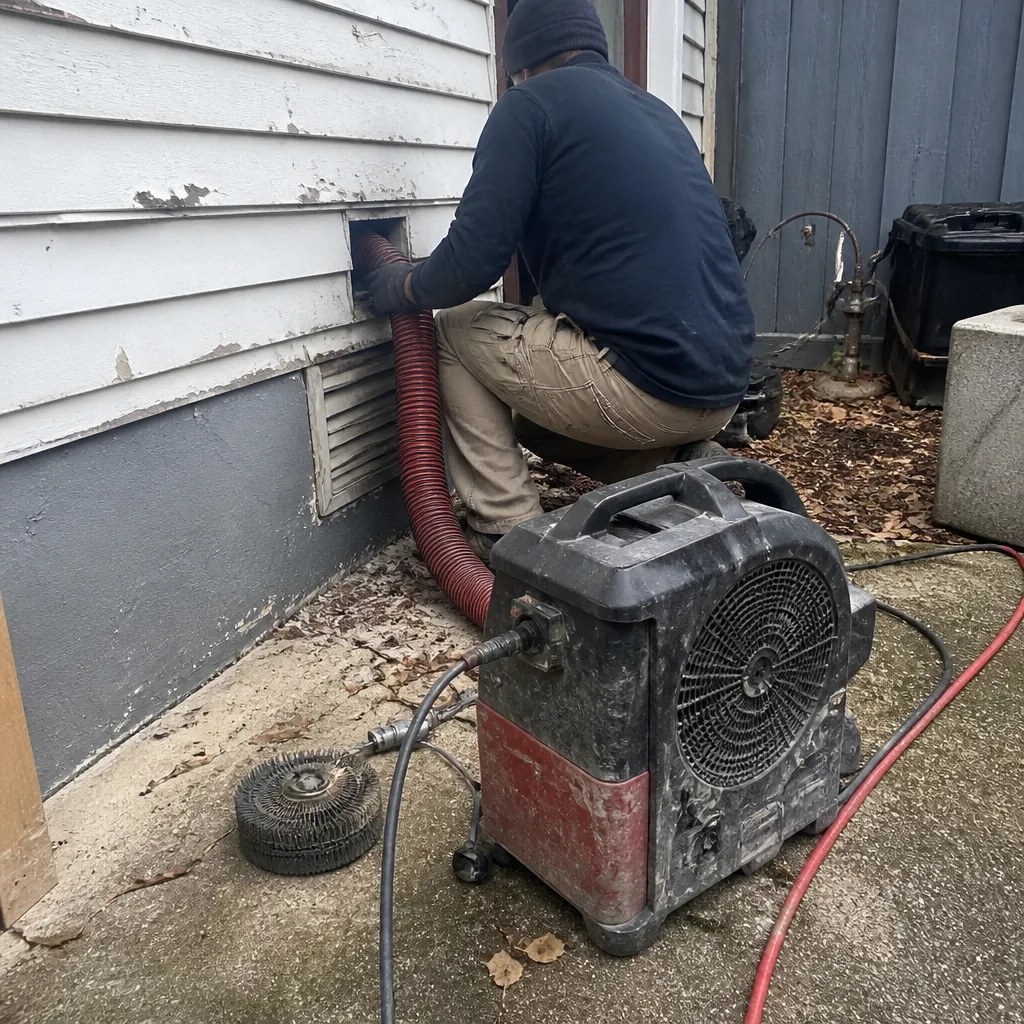 Before
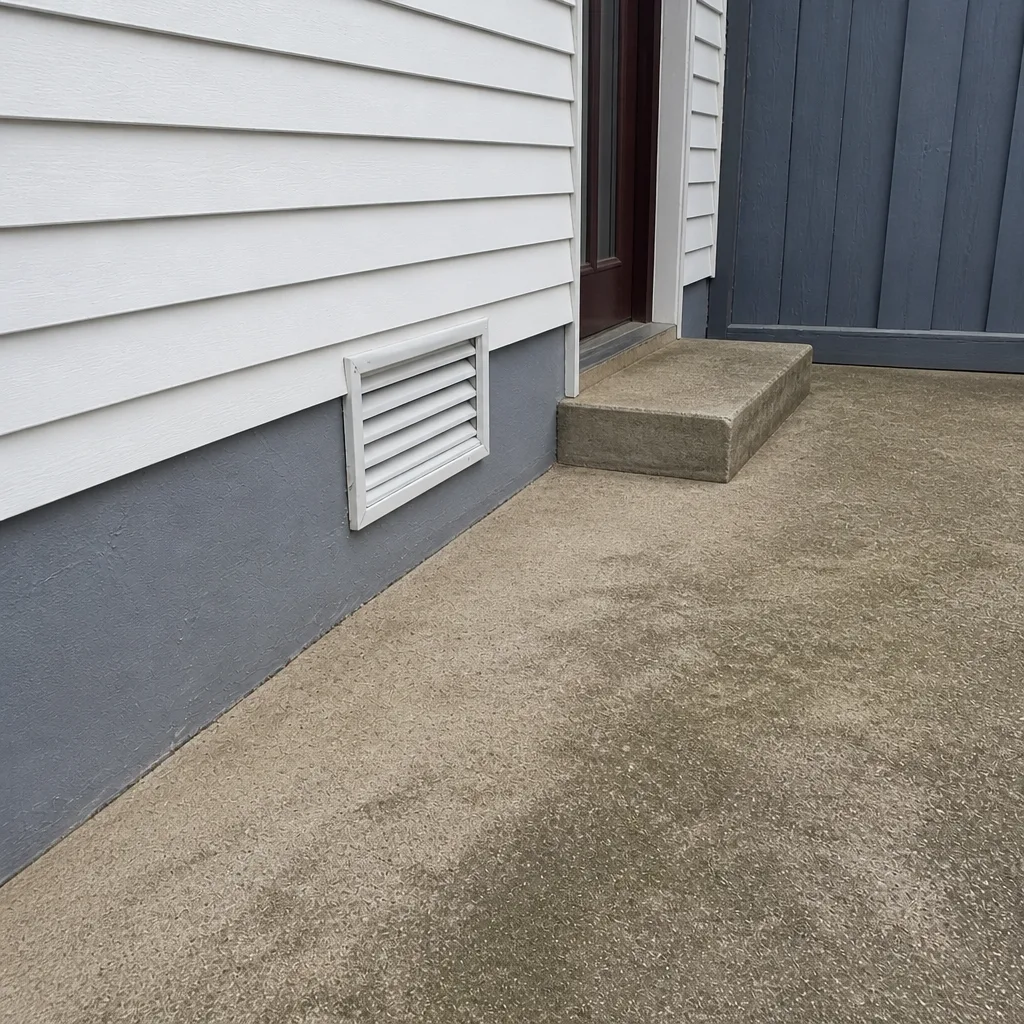 After
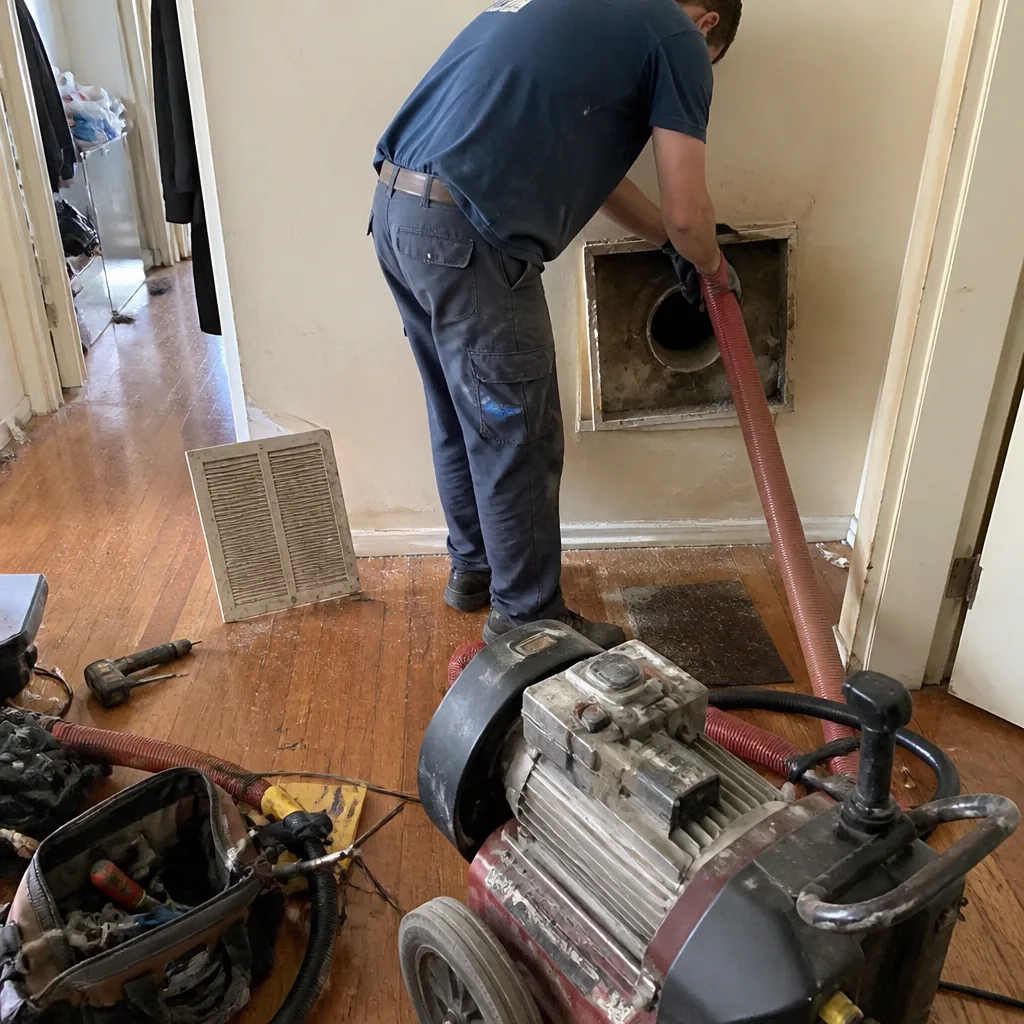 Before
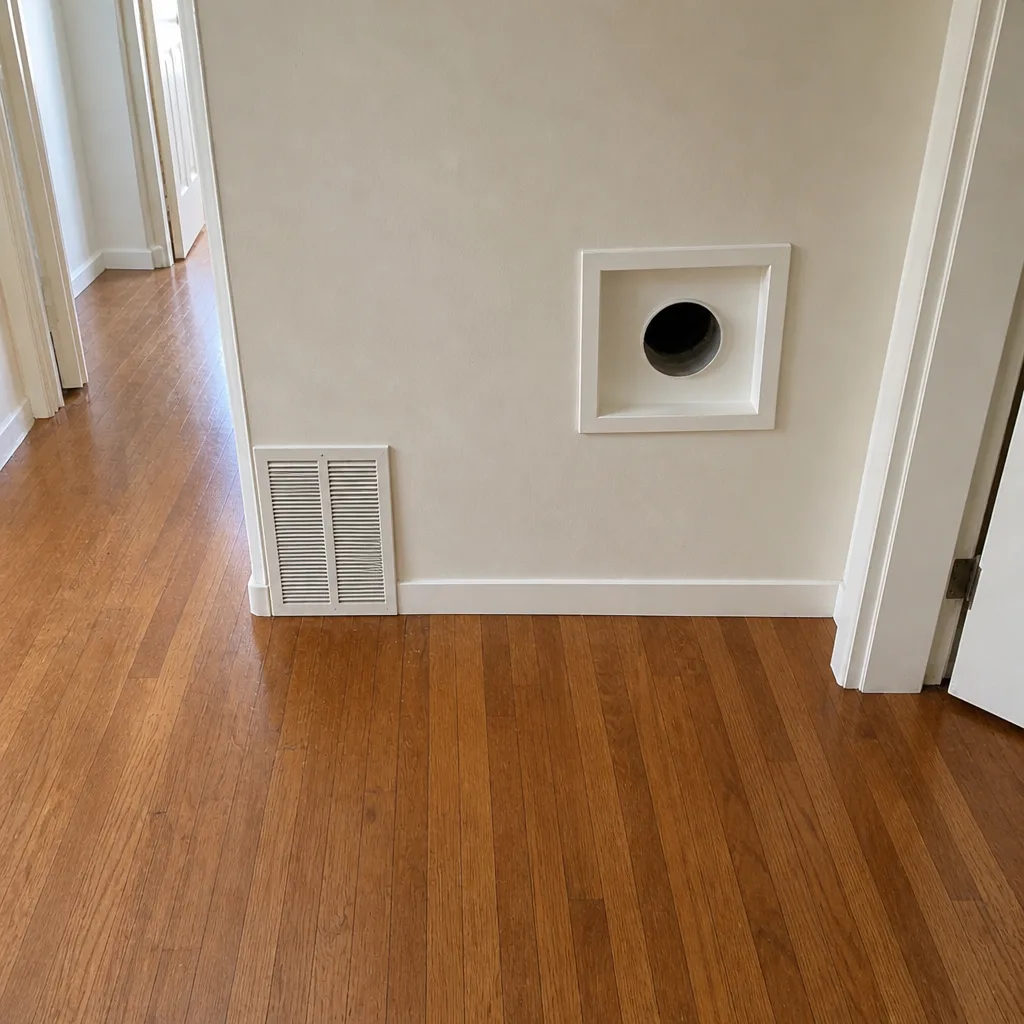 After
Frequently Asked Questions
Every 30 days from May through September, and every 60 to 90 days in the cooler months. The long cooling season and high humidity here shorten filter life compared to the national 90-day advice. You can shorten the interval further if you see the media matted or can’t see light through it.
The price depends on the size, layout and condition of the system, and it’s set per job by a written estimate, which is why we don’t quote a per-vent number. That’s the right way to price this work: whole-system scope, one flat price, agreed before anything starts. Call (833) 749-5104 for an exact quote – estimates are free.
Often because the price is a teaser that grows once the crew is on site, or because the “cleaning” is a surface wipe with no real vacuum behind it. A trustworthy quote is one flat price per system, agreed before work begins. Ask for before-and-after photos of your own ducts, and confirm what equipment will be used. Call us at (833) 749-5104 for a free estimate.
Ask for before-and-after photos of your own duct interior, not stock photos of someone else’s job. A real cleaning shows a visible difference inside the registers and runs, and the report should list each duct cleaned or repaired. Keep those photos in your maintenance log. Call us if you’d like to see how we document it: (833) 749-5104.
There’s no single number; it depends on your system, your filters, whether you have pets, and whether the home has had a storm or flood event. Many homes do well on a multi-year cycle with consistent filter changes, while homes with a breach, moisture problem, or recent storm intrusion need it sooner. A camera inspection tells you when it’s due. Call (833) 749-5104 for a free estimate.
A camera inspection comes first when you have a musty odor, uneven airflow or a recent storm or flood, because it shows what’s actually inside the ducts before any work is planned. A cleaning makes sense once the condition is known. If you’re not sure which fits, call (833) 749-5104 and we’ll talk through what the signs point to.
It can be scheduled alongside your duct work, and it’s worth doing as its own check. The dryer vent is a separate system from your air ducts, and cleaning it addresses a leading cause of residential fires. We treat dryer vent cleaning as a dedicated service rather than an add-on. Our New Orleans Duct Cleaning overview lists all three services. Call (833) 749-5104 for an estimate.
The Bottom Line
Duct maintenance in New Orleans is a seasonal rhythm, not a fixed calendar. Check filters every 30 days through the humid months, inspect every register for odor, visible particulate and airflow resistance each season, and log your filter dates and MERV ratings so a full year of data is available when you need it. When the signs point inside the ducts, ask for a camera inspection rather than guessing. Keep date-stamped photos and written records so a claim is easy to file. And put duct repair on the checklist, because a cleaning won’t hold on a system with a breach. Rotobrush rotary brush agitation plus Nikro HEPA capture, both steps every time, is what a real cleaning looks like.
If your checklist has turned up signs that the ducts need attention, we’re glad to take a look. New Orleans Duct Cleaning specializes only in ductwork and indoor air quality: air duct cleaning, dryer vent cleaning, and air duct repair. We use professional-grade equipment and we fix what others only report. Call (833) 749-5104 for a free estimate. We answer 24/7. Fast dispatch, 7am-7pm, Sunday through Friday.
Written by the team at New Orleans Duct Cleaning.