
Last updated November 15, 2026
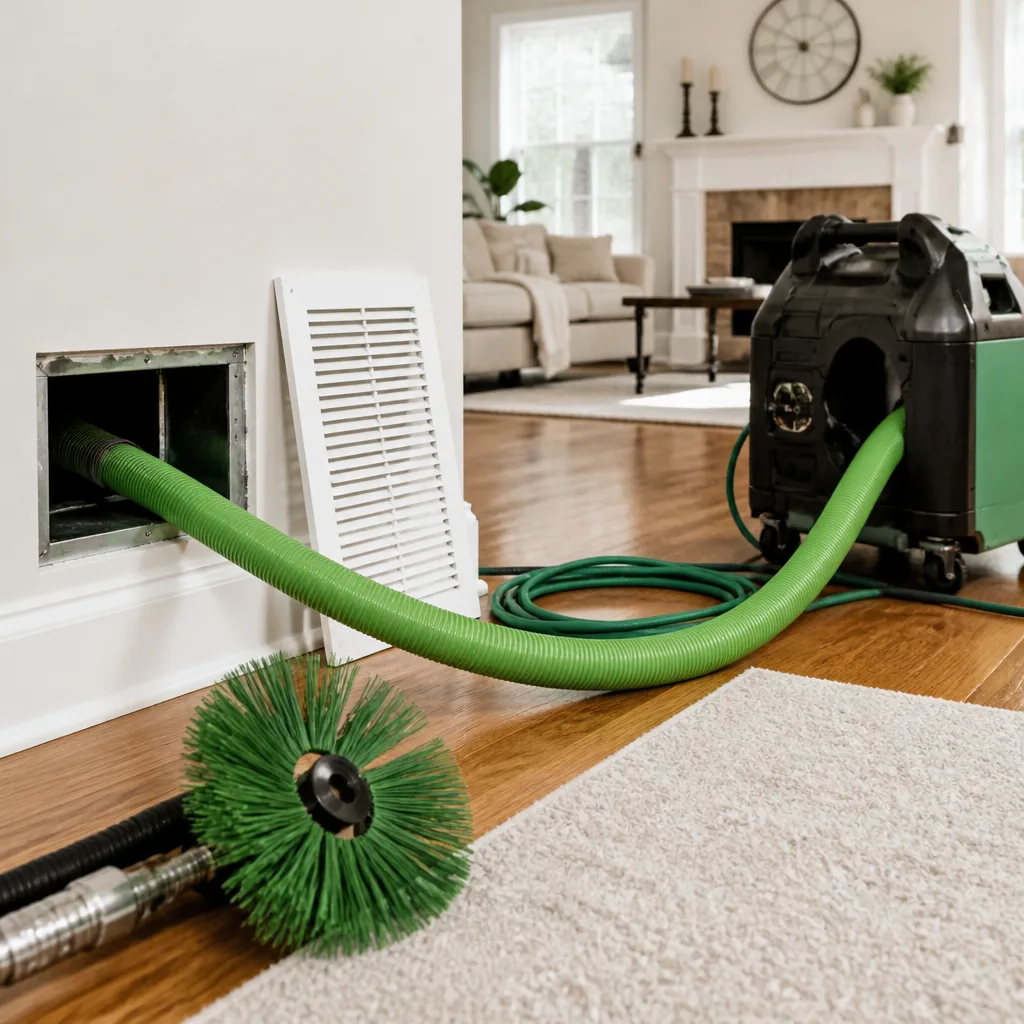 Whole-home duct cleaning
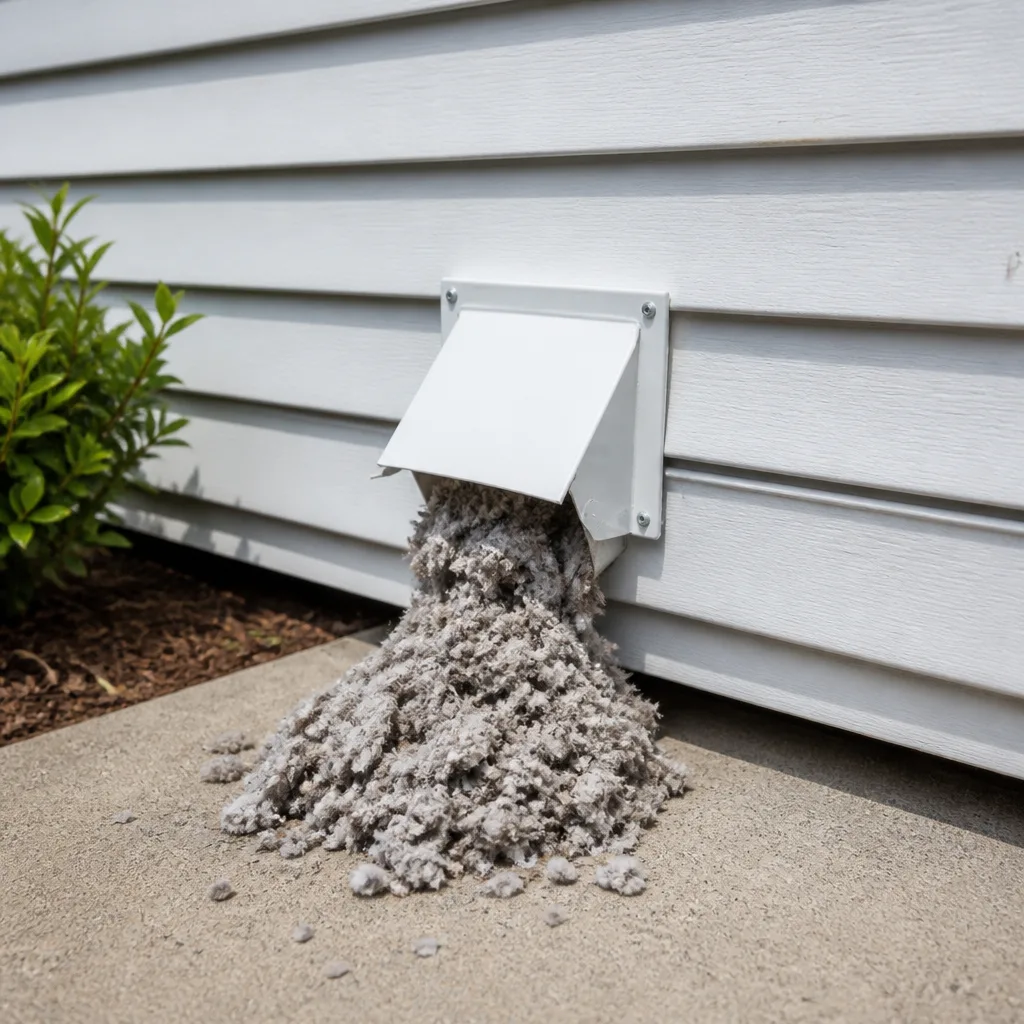 Dryer vent cleaning
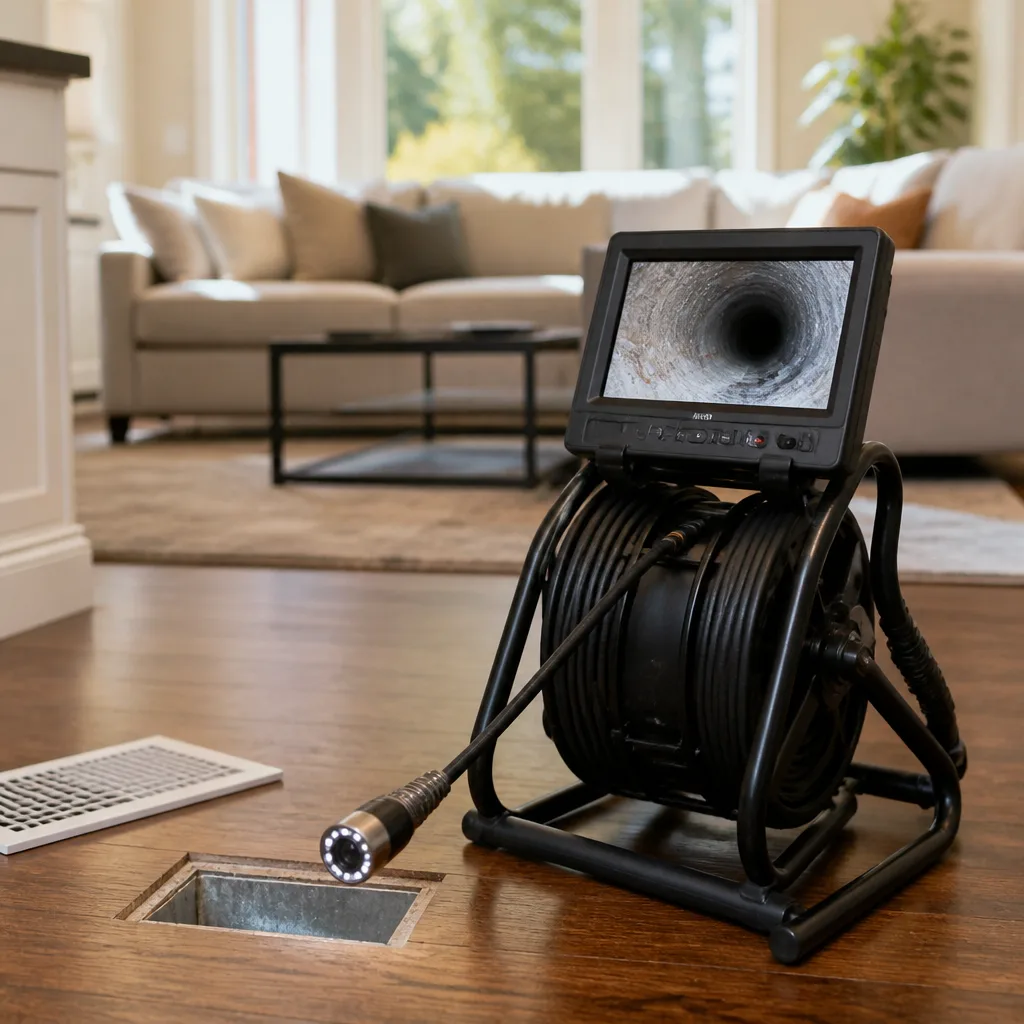 Camera inspection
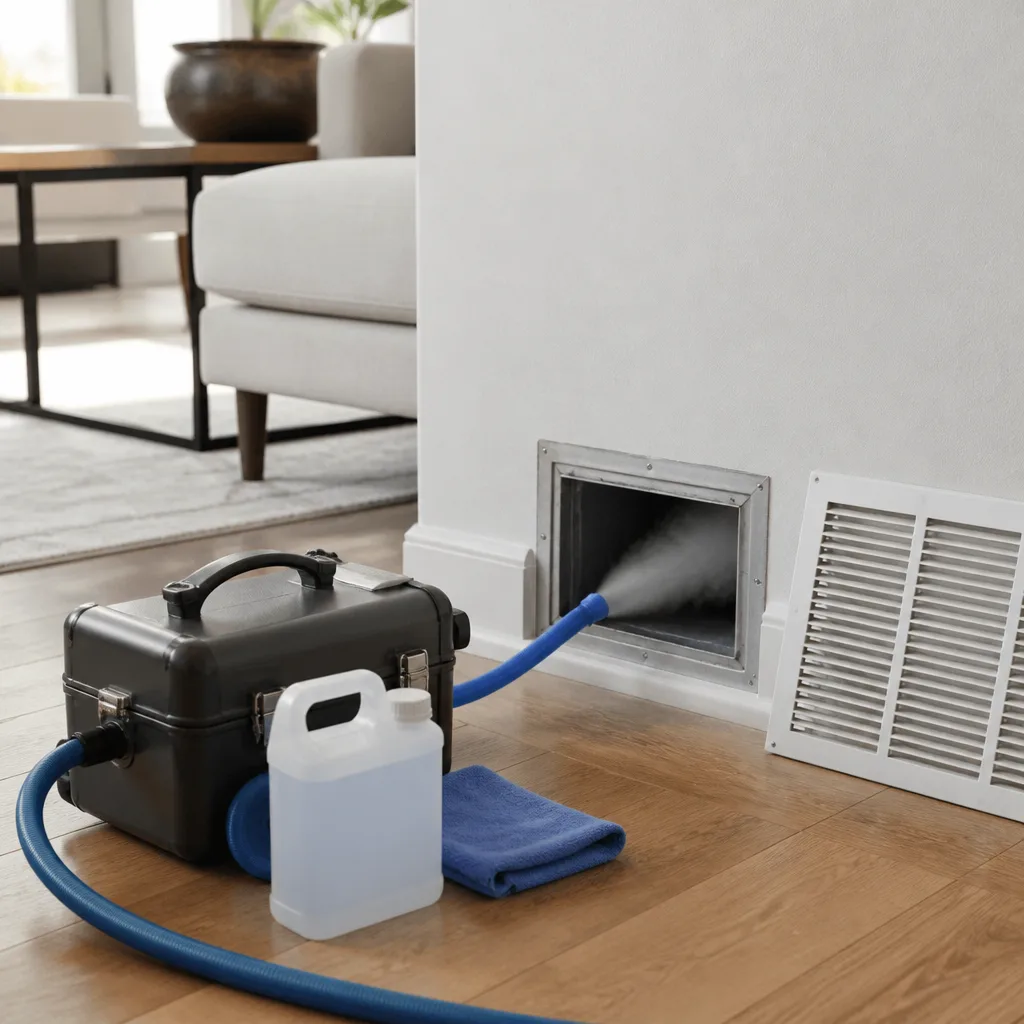 Sanitizing & deodorizing
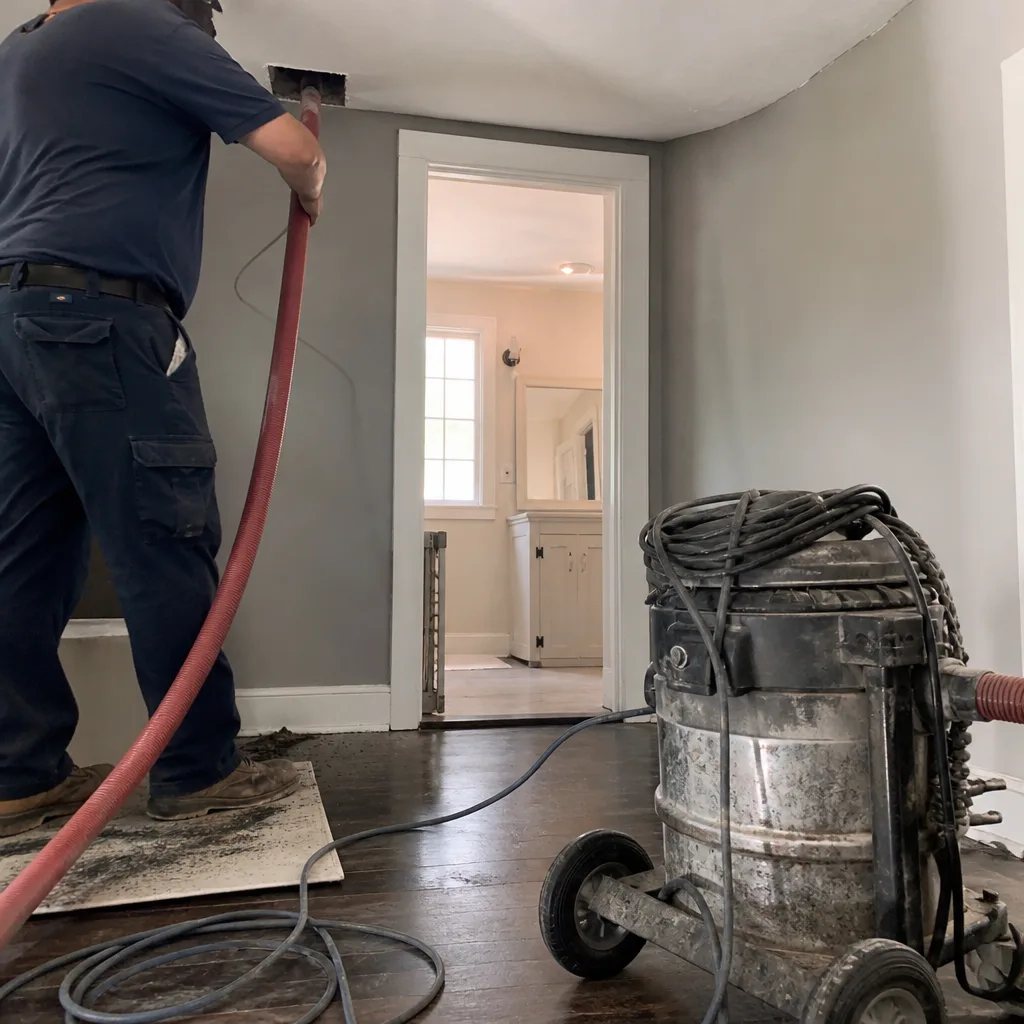
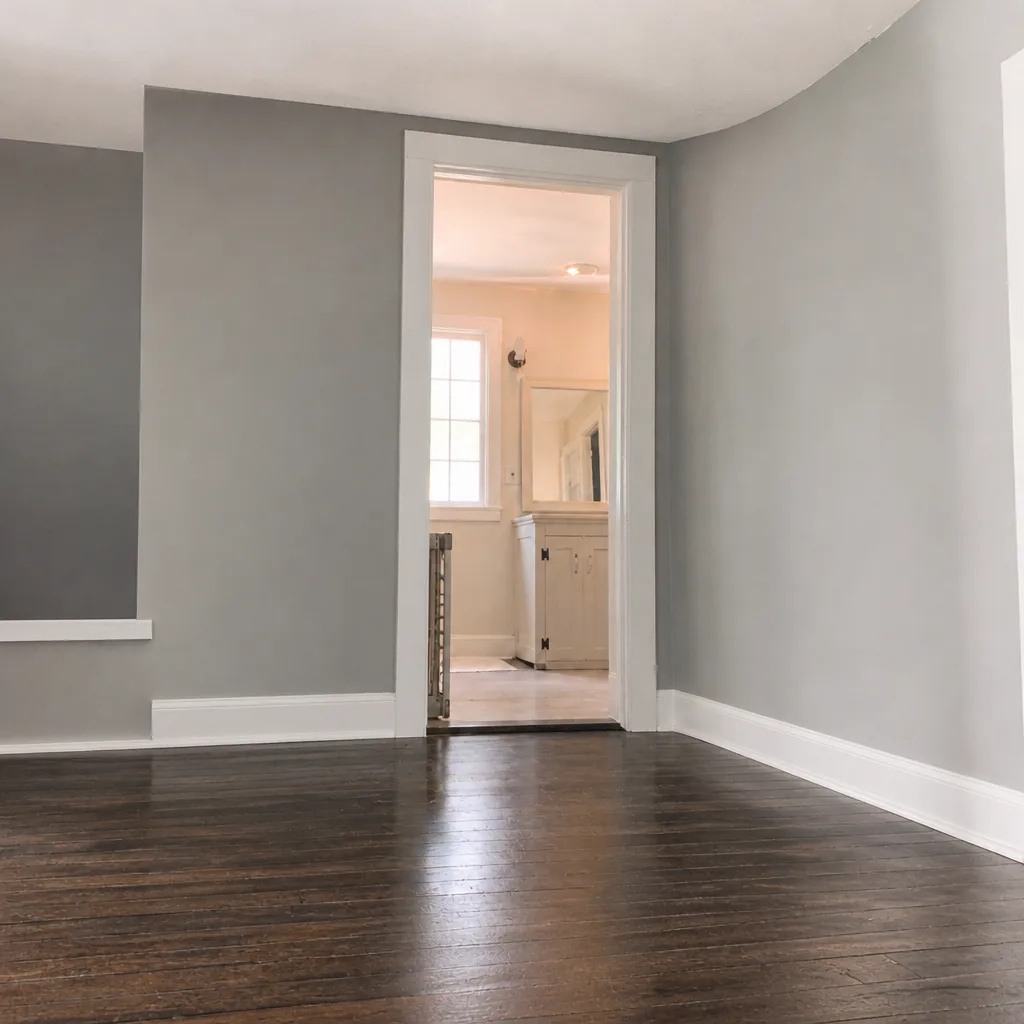
Whole-system duct and dryer vent check with before-and-after photos - you see exactly what came out of your vents
That "$99 whole-house special" is a bait ad - the real number appears once they are in your hallway, or the "clean" is a shop-vac at the register. We photograph the inside of your ducts before and after instead.
Air Duct Cleaning Maintenance Schedule: What to Do and When
Most national sources hand you a tidy interval: clean your ducts every 3 to 5 years. That number was not built for New Orleans. Your air handler runs close to ten months a year, and for much of that time it’s pulling air at 80% humidity through a system that never gets to dry out. High humidity plus slab foundations that leave no crawlspace airflow plus near-constant runtime is a different operating reality than the one the generic rule assumes. In this guide we’ll walk through a condition-based schedule you can actually defend, a list of tasks you can handle between professional visits, and the warning signs that move your cleaning date earlier.
Quick Answer
If you want the short version: most New Orleans homes should have their ductwork professionally cleaned and inspected every 2 to 3 years, not every 3 to 5. Homes with pets, recent renovation, a flood event, or flex duct installed before modern codes may need it closer to every 18 months. The deciding factor isn’t the calendar year alone, it’s your filter behavior, odor, dust settling, and the duct material itself.
Styles & brands we work with
- Whole-home duct cleaning
- Dryer vent cleaning
- Camera inspection
- Sanitizing & deodorizing
Table of Contents
- Why the Standard 3-to-5-Year Rule Doesn’t Fit New Orleans
- The Condition-Based Schedule Matrix
- What to Do Between Professional Cleanings
- Using Filter MERV Trends as a Leading Indicator
- Flex Duct vs. Hard Metal Duct: Different Schedules
- Building a Maintenance Log That Works
- When to DIY and When to Call a Pro
- Common Mistakes to Avoid
Why the Standard 3-to-5-Year Rule Doesn’t Fit New Orleans
Air duct cleaning schedules are usually written by people who assume a heating-and-cooling season that runs four to six months. New Orleans doesn’t work that way. Most homes here run the air handler for most of the year, which means the volume of air passing through the ducts is two to three times what a Midwestern house pushes through in the same window.
Three local conditions compound the problem:
- Humidity: At 80% or higher for weeks at a time, airborne dust sticks to the interior surfaces of ductwork instead of bouncing through. That sticky layer is where biological growth and musty odor start. Once it forms, agitation alone won’t pull it loose. You need a rotary brush and a HEPA-rated vacuum working together.
- Slab foundations: A slab leaves you with no crawlspace under the floor, so duct runs are often in the attic or embedded, and the return path can be short and poorly ventilated. That reduces the natural drying that a raised-house crawlspace provides.
- Runtime: An air handler that cycles on and off moves less air over a given span. A system that runs nearly constantly introduces more particulate into the same square footage of duct surface than a system used seasonally.
Stack those three together and the effective “dirty by” date arrives sooner than the national average. That’s the reason we write New Orleans maintenance plans around conditions, not around a number pulled from a national trade article. If you’re looking for the baseline service this schedule is built around, the team at air duct cleaning handles the deep-clean and inspection step that resets the clock. Everything else in this guide is the maintenance that protects your investment between those visits.
The Condition-Based Schedule Matrix
A defensible schedule is one that changes with what’s actually happening in your house. The matrix below tells you which trigger pulls your next cleaning forward and which allows a longer interval. If any one of the “earlier” conditions is present, treat the shorter interval as your baseline.
Triggers that justify an earlier cleaning
- Pets in the home: Dander and hair load the filter and coat duct walls faster than any other residential factor. Move to an 18-month cycle instead of 24 to 36 months.
- Recent renovation or drywall work: Fine gypsum dust is one of the most stubborn contaminants to remove from ductwork. Clean within 30 days of finishing the project, not on the routine schedule.
- Flood or water intrusion: Any flood event that reached the HVAC equipment or the duct system needs a cleaning once the system is dry and cleared. Don’t wait for the usual interval.
- New HVAC install or major duct repair: Freshly installed ductwork collects construction debris. Clean immediately after install, then resume the normal cycle.
- Visible dust on return grilles within a few weeks of cleaning them: A return that re-settles fast means the plenum and duct runs are still loaded.
Conditions that allow a longer interval
- No pets, no smokers, no recent renovation
- Filter changed on a disciplined schedule, with the correct MERV for your system
- Hard metal duct installed and sealed, with no visible breaches at joints
- Supply register air feels clean, with no fine dust settling on furniture within a week of dusting
- No musty or chemical odor on first startup
If those five “longer” conditions all hold, a 3-year interval is defensible in a New Orleans home. If even one is off, shorten it. Which brings us to the physical work you can do yourself.
What to Do Between Professional Cleanings
Between professional cleanings, the biggest impact comes from three tasks: changing filters at the right cadence for a humid climate, keeping the condensate drain clear, and cleaning the return grilles. Each prevents a specific failure mode. Miss all three and the ductwork ages faster than it should.
- Change the filter every 60 to 90 days in New Orleans, not every 3 months as the box suggests. That shorter cadence accounts for higher airborne dust load during the humid months. A clogged filter restricts airflow, which forces the blower to work harder and lets dust settle in the ducts instead of traveling to the filter.
- Check the condensate drain pan and line monthly during cooling season. A slow-draining pan is the leading cause of moisture damage to the air handler cabinet and adjacent ductwork. Standing water in the cabinet promotes biological growth that ends up in the supply air. Clear the line or pour a cup of water through it to confirm flow. If you can’t keep it clear, that’s a repair call, not a maintenance task.
- Vacuum and wipe the return grilles every 30 days. Grilles are the first surface where dust visibly collects. Cleaning them doesn’t clean the ducts, but it does keep the biggest dust reservoir from feeding back into the system. Use a HEPA vacuum if you have one, a damp cloth if you don’t.
- Look at every supply register once a month for streaks of dark dust on the ceiling around the boot. Streaking means the boot-to-ceiling seal has failed, which is an air leak that pulls attic dust into the airstream. Note it for your next service visit.
- Run the fan in “on” or “auto” deliberately, not by accident. Leaving the fan on continuously in a humid New Orleans house pushes moisture-laden air through the ducts after the coil has cycled off. Check the thermostat setting once a season.
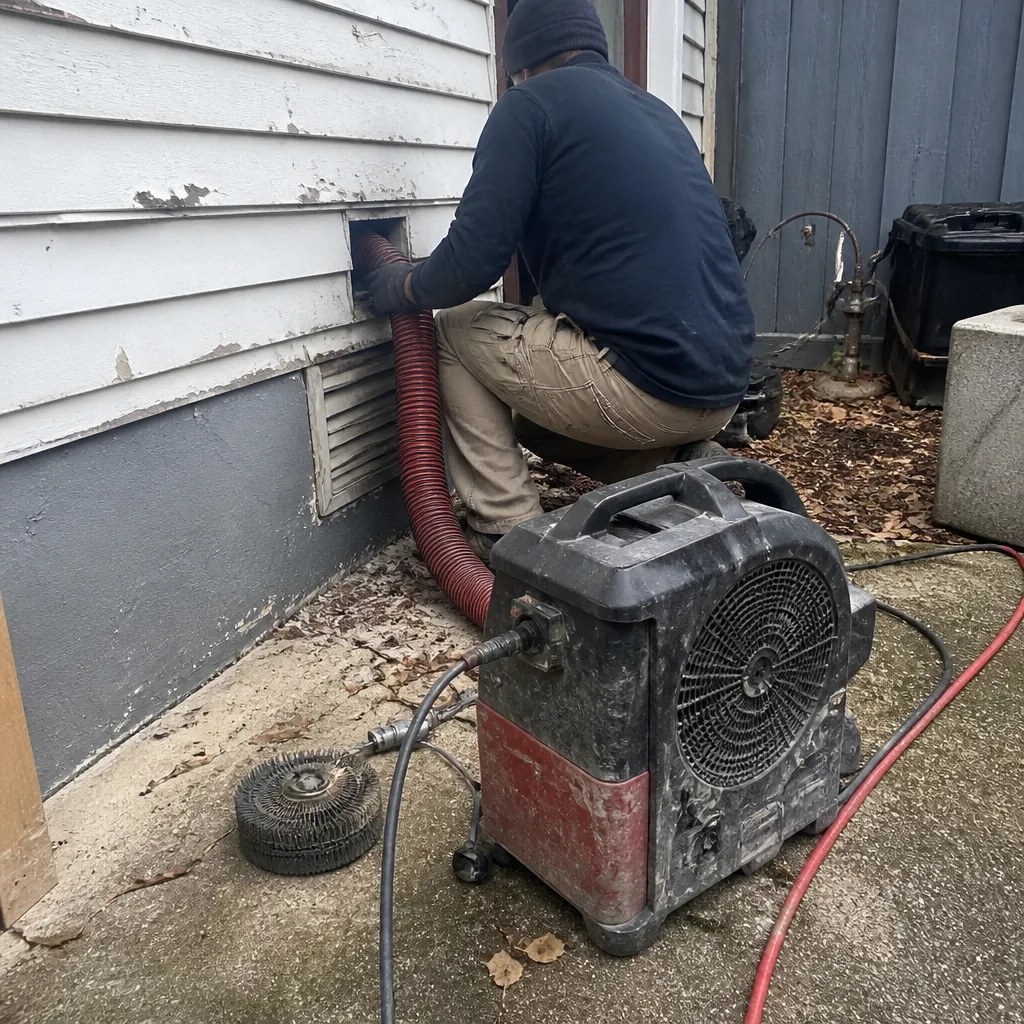
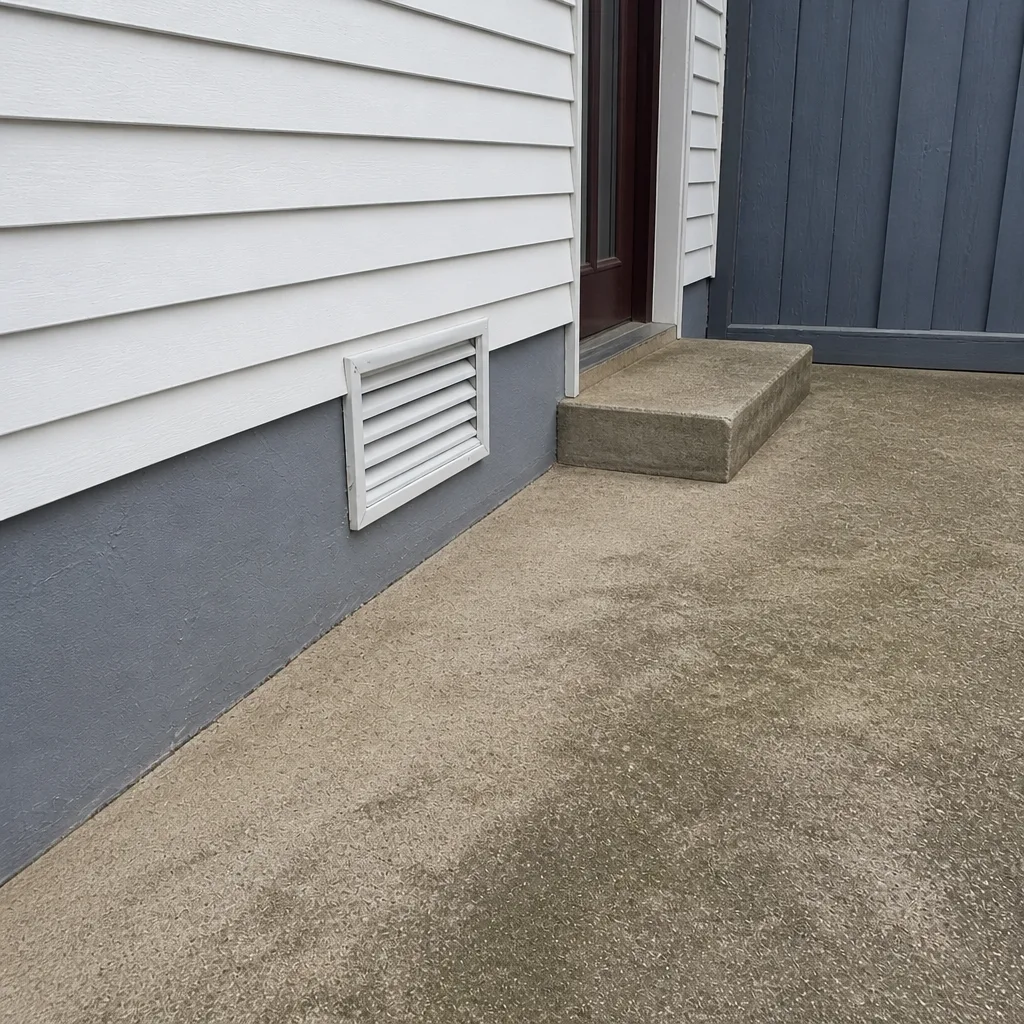
- Schedule dryer vent cleaning on a fixed annual cycle separately from duct cleaning. Lint accumulation in a dryer vent is a residential fire hazard and shouldn’t be treated as a once-when-you-remember task.
None of these tasks replaces a professional cleaning. They slow the buildup so that when the professional cleaning comes, it’s a maintenance job rather than a remediation job. For the full picture on what a proper clean involves, our service page covers the equipment and the process.
Using Filter MERV Trends as a Leading Indicator
The filter that clogs faster than it used to is telling you something. A filter that used to last 90 days and now looks loaded at 45 days isn’t a nuisance, it’s a leading indicator that either the duct system has accumulated enough debris to raise particulate load or a mechanical problem is pulling more dust into the airstream.
Treat it as data:
- Start tracking filter change dates. Write the date on the filter edge with a marker. Keep a note on your phone or a sticky inside the air handler door. After three changes you have a baseline.
- If the interval drops by 30% or more, treat it as a signal. That’s the point where you should have the system inspected, not just keep buying filters.
- Don’t chase higher MERV for the sake of it. A filter above what your blower was designed to handle will restrict airflow and can cause the evaporator coil to freeze or the cabinet to sweat. In a New Orleans home that’s a moisture problem waiting to happen.
If you’re wondering whether to upgrade your filtration, this is the point to talk to someone who can look at your actual equipment. We supply and install Honeywell and Aprilaire whole-home air quality products, which lets you upgrade filtration at the same appointment instead of sourcing a second contractor. That combination (professional clean, plus a filtration system sized for the house) is what actually changes the dust picture over a full year. A standalone filter swap won’t do it, and neither will a clean without improved filtration.
Flex Duct vs. Hard Metal Duct: Different Schedules
Older New Orleans homes frequently have flex duct retrofits that were installed where hard metal once ran, or original metal trunk lines that were extended with flex branches. The two materials behave very differently, and they need different inspection intervals.
Flex duct
- Inspect every 12 to 18 months. Flex duct has a corrugated interior that traps debris in the ridges. Once debris builds in the ridges, airflow drops and the duct sags.
- Watch for sags and pinch points. Installation that compresses flex duct reduces its effective diameter and accelerates dirt accumulation in the compressed section.
- Check the outer jacket for tears. A torn jacket lets attic insulation and dust into the airstream, which is a much bigger problem than a dirty duct alone.
Hard metal duct
- Inspect every 2 to 3 years, cleaning on the same cycle. Smooth metal surfaces hold less debris and can be cleaned more effectively with rotary agitation.
- Check the seams and joints. Older metal duct in New Orleans homes is often connected with mastic or duct tape that dries out. A dried seal is a leak that pulls unfiltered air into the system.
- Look for rust at the plenum. The plenum is the large duct box directly above the air handler, and it’s where humidity condenses first.
When we’re on a job, we use a Rotobrush rotary brush system to agitate the interior of both flex and metal, and a Nikro HEPA-rated vacuum to capture what’s loosened. One without the other is what a lot of cut-rate operators run. Brush without HEPA capture just moves dust around. HEPA vacuum without rotary agitation only cleans what’s loose enough to lift. Both steps, every time, is the only approach that actually resets the clock.
Building a Maintenance Log That Works
A maintenance log does two things: it makes your next service call faster, and it gives property managers a defensible paper trail for air quality compliance. Build the log in a simple spreadsheet or notebook and keep it with the equipment. Every entry should have a date and a specific note about what was observed, not just what was done.
Include these fields for every visit and every task:
- Date and technician or self.
- Task performed (filter change, return grille clean, professional cleaning, repair, condensate check).
- Filter MERV rating and observed condition (clean, moderate, heavy, loaded).
- Photo of the filter and of the register or grille before and after.
- Observed issues (sag in a flex run, streaking at a ceiling boot, rust at the plenum, odor on startup).
- Professional service photos. Before-and-after photos of your own ductwork, not stock photos.
- Cost and invoice reference.
Why this matters more than it sounds
If you’re a property manager, this log is what turns “we think the ducts were cleaned” into a documented maintenance record for tenants and ownership. If you’re a homeowner, it’s what tells a future HVAC contractor, insurance adjuster, or buyer that the system has been maintained, not just repaired. When you call us for a service visit, the log lets us see the trend and recommend a schedule that fits your actual conditions, rather than defaulting to a blanket interval. We arrive with the equipment to clean and inspect the full system, and the log tells us where to look first.
When to DIY and When to Call a Pro
The maintenance tasks above are genuinely doable for most homeowners. Filter changes, return grille cleaning, condensate checks, and logging are all well within reach. What’s not doable without professional equipment is a genuine duct cleaning. A shop vacuum attached to a register won’t touch the plenum, the trunk lines, or the interior ridges of flex duct, and it certainly won’t capture what it loosens.
The split looks like this:
- DIY: Filter change at the cadence above, return grille cleaning, condensate pan check, visual inspection at every register, and keeping the log.
- Professional: Full-system cleaning with rotary agitation and HEPA capture, inspection of the plenum and trunk lines, sealing or repair of breaches, and any filtration upgrade.
- Never DIY: Anything involving opening the air handler cabinet, working with electrical components inside it, or reconnecting ductwork. These carry real risk and belong to a trained professional.
The reason we lean hard on rotary brush plus HEPA vacuum is simple: it’s the only method that both loosens debris from the duct wall and captures it before it re-enters the living space. Our New Orleans Duct Cleaning page explains the full method if you want the technical detail. The practical takeaway here is that the DIY tasks slow the buildup, and the professional visit resets it. Both need to be in your schedule.
Common Mistakes to Avoid
- Following the 3-to-5-year rule without checking local conditions. That interval was written for a heating-and-cooling season that doesn’t match the near-year-round runtime most New Orleans homes see. Start at 2 to 3 years and adjust from your own filter trends.
- Changing the filter on the manufacturer’s box schedule instead of your home’s actual cadence. In a humid climate, 60 to 90 days is more realistic than “every 3 months,” and for homes with pets it’s often shorter. The box doesn’t know your dust load.
- Buying the highest-MERV filter the store sells. A filter above your blower’s design will restrict airflow, which forces the system to work harder and can trigger moisture problems. Match the filter to the equipment.
- Assuming a clean-looking supply register means clean ducts. The register boot is the last six inches. The accumulated dust is in the plenum, the trunk, and the flex runs, none of which are visible from a register.
- Skipping the dryer vent because the ducts are the focus. Dryer vent lint accumulation is one of the leading causes of residential fires, and it’s a separate system from the HVAC ducts. It needs its own annual schedule.
- Never writing down anything. A clean without a log is a clean that can’t inform the next schedule. Without dates and filter notes, you’ll guess at your interval, and guessing is how systems get neglected.
- Calling a general HVAC company for a duct add-on. Duct cleaning done with a shop vac and a brush attachment doesn’t agitate the interior of the system or capture what it loosens. It’s the single biggest reason some people report that “duct cleaning didn’t help.” The method matters more than the price.
See the difference
 Before
 After
 Before
 After
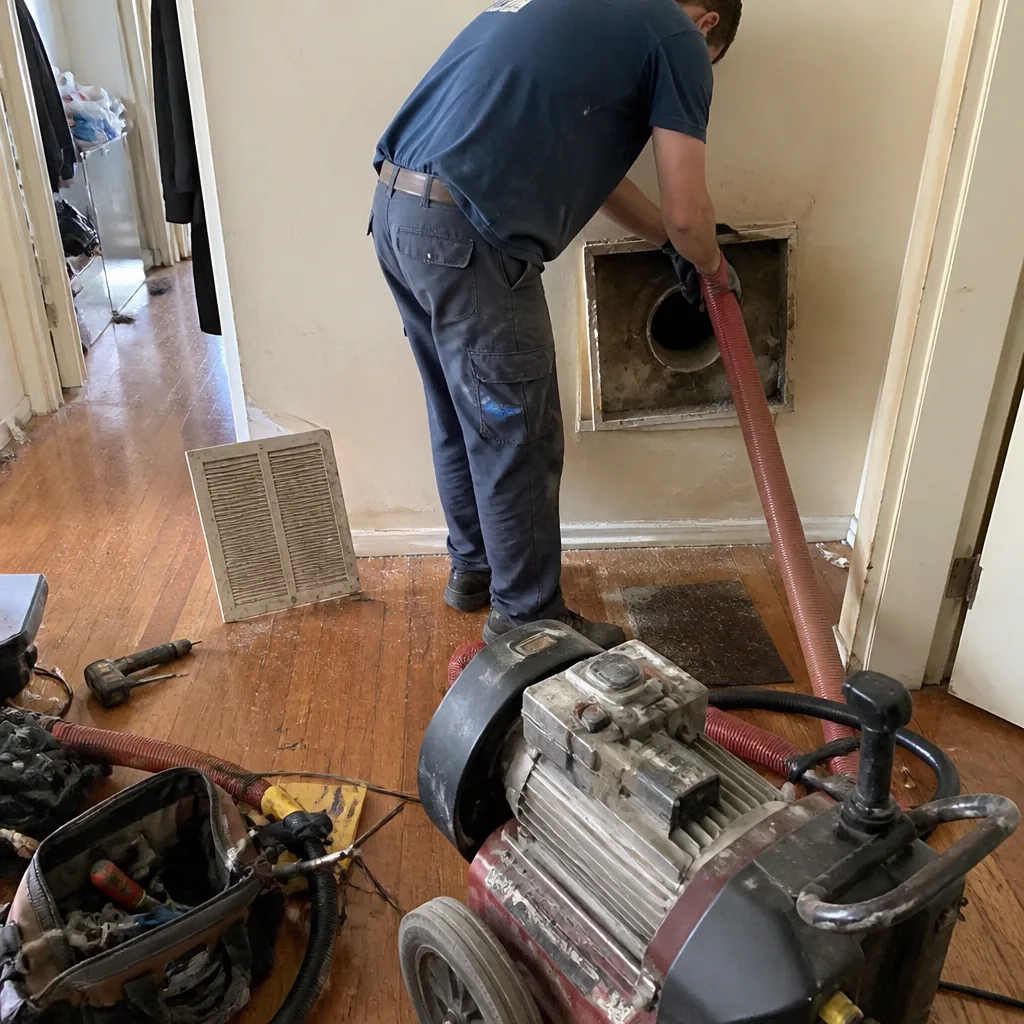 Before
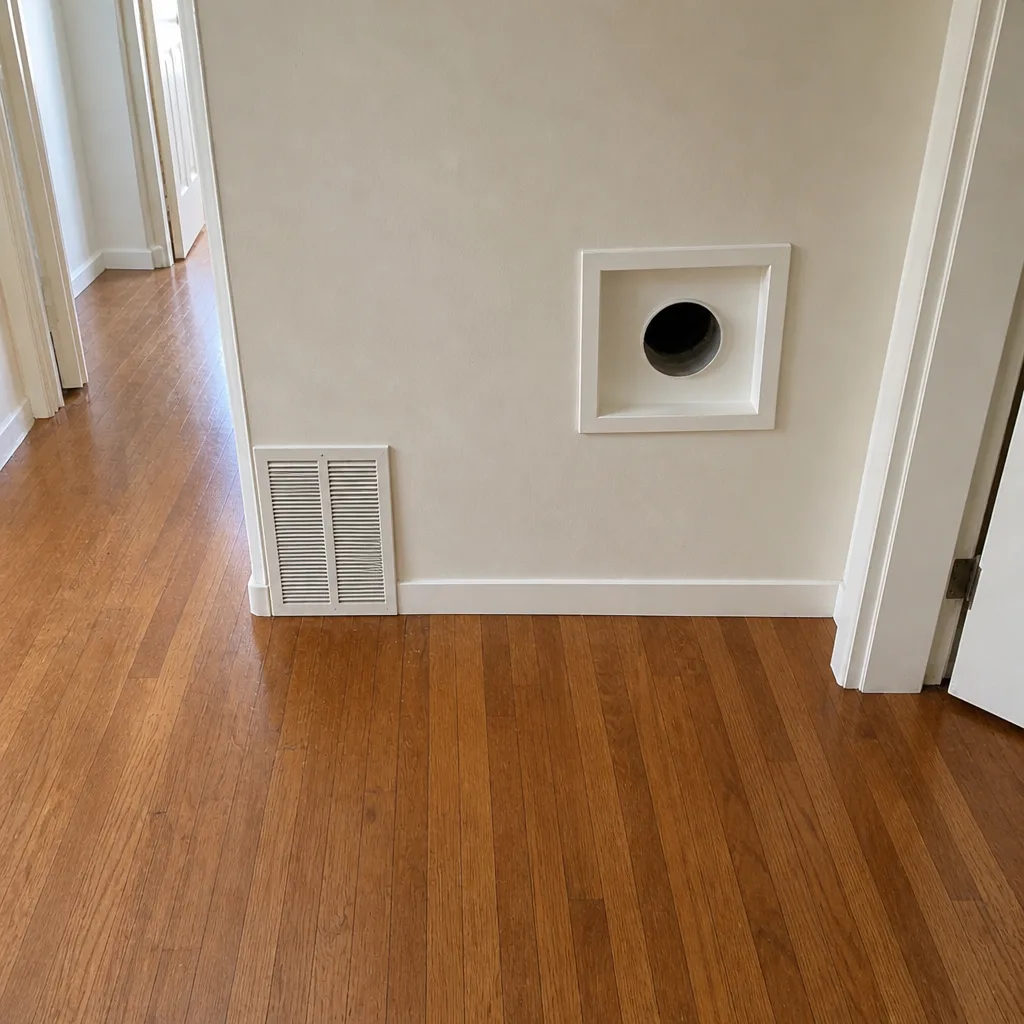 After
When to Call a Professional
Call for a professional duct cleaning when filter intervals have shortened noticeably, when you notice musty odor on first HVAC startup, when visible dust settles on furniture within days of cleaning, or when you’re moving into a home with unknown service history. Call also after any renovation, after a flood event that reached the system, or as soon as a flex duct run starts to sag or show a torn jacket. If your maintenance log shows more than 24 months since the last full clean in a home with pets or heavy dust load, that’s a call.
New Orleans Duct Cleaning offers free estimates in New Orleans, and we work with remediation-grade Abatement Technologies filtration equipment so that what we loosen actually gets captured. We also sell and install Honeywell and Aprilaire air quality systems at the same appointment if your filtration needs upgrading, and we repair breaches and disconnects that other crews flag but can’t fix. Call (833) 749-5104. We answer 24/7. Fast dispatch from 7am to 7pm, Sunday through Friday.
Frequently Asked Questions
Every 2 to 3 years for most homes, and closer to 18 months if you have pets, recent renovation, flex duct, or a flood history. The shorter interval accounts for near-year-round HVAC runtime and sustained humidity that cause debris to stick to duct walls rather than blow through. Our technicians have up to 14 years of experience across New Orleans homes, and the pattern holds regardless of housing type.
No, annual cleaning is unnecessary for most New Orleans homes with no pets, no renovation, and a disciplined filter cadence. The exception is flex duct systems on a heavy dust load, or property managers who need documented annual service for tenant records. Let your filter-change trend and register-dust observations drive the call, not the calendar alone. Call (833) 749-5104 for an exact quote, estimates are free.
Change the filter every 60 to 90 days. It’s the task with the largest downstream effect on duct condition because a clogged filter restricts airflow and pushes debris into the duct system. Second on the list is keeping the condensate drain clear so the cabinet never has standing water.
Yes. Sustained 80%-plus humidity makes dust cling to duct interiors instead of passing through, and it creates the conditions for biological growth and musty odor. That’s why the popular 3-to-5-year national interval is too long for many New Orleans homes. Slab foundations with no crawlspace airflow make it worse by reducing the system’s natural drying.
No. A shop vac attached to a register can’t reach the plenum, the trunk lines, or the ridges of flex duct, and it doesn’t capture what it loosens. A real clean needs rotary brush agitation to break debris loose and HEPA-rated vacuum capture to remove it. That’s the Rotobrush and Nikro HEPA combination on every job.
Treat it as a separate annual task, not part of the multi-year HVAC duct cycle. Lint accumulation in a dryer vent is one of the leading causes of residential fires, and cleaning it is a dedicated service for a reason. Adding it to your annual reminder is the simplest fix.
The Bottom Line
Build your New Orleans duct schedule around what your home actually does, not what a national article says. Start at a 2-to-3-year cleaning interval, tighten to 18 months if you have pets, flex duct, recent renovation, or a flood history. Change filters every 60 to 90 days, watch for the MERV trend moving faster than your baseline, keep the condensate drain clear, and log it all. Treat the dryer vent as its own annual task. And when the schedule says it’s time, call a specialist who agitates and captures with the right equipment. The right method, on the right cadence, is what actually changes the dust picture in your home.
Written by the team at New Orleans Duct Cleaning.