
Last updated November 15, 2026
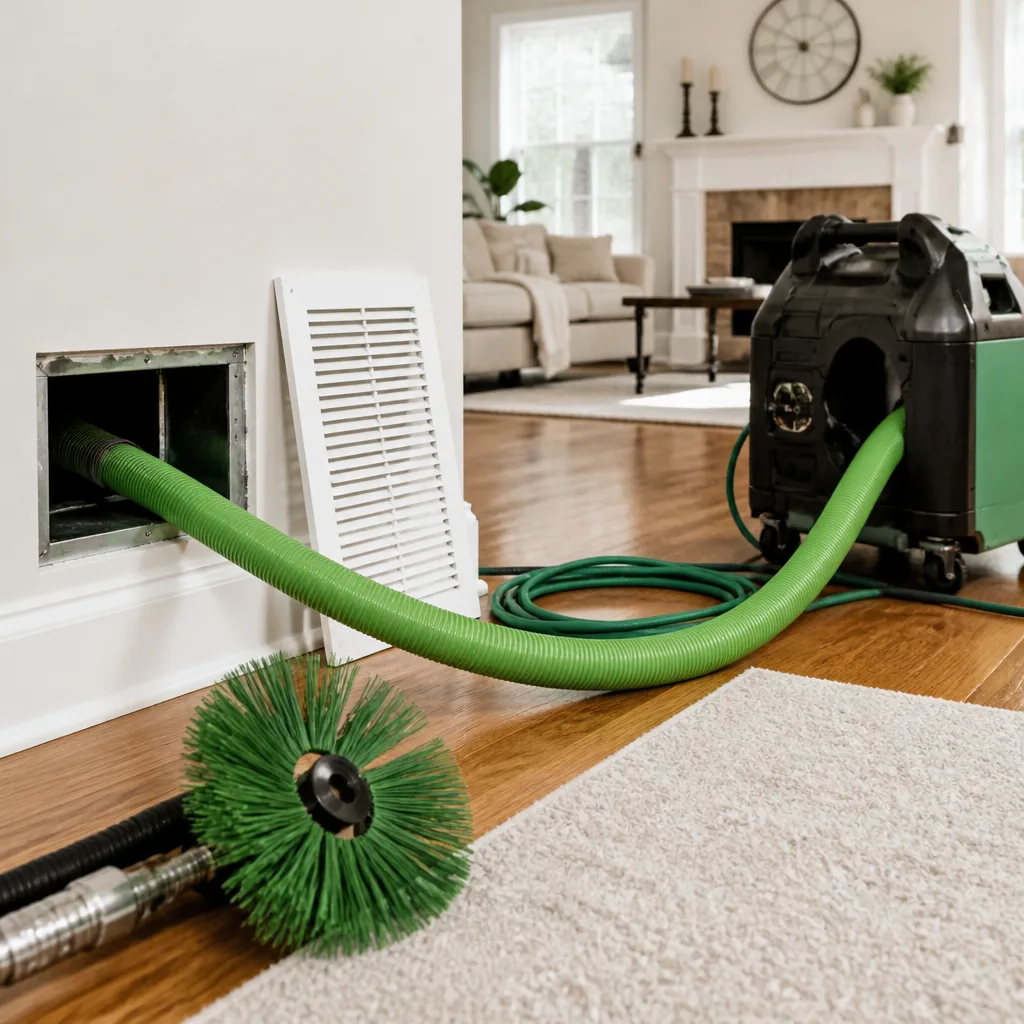 Whole-home duct cleaning
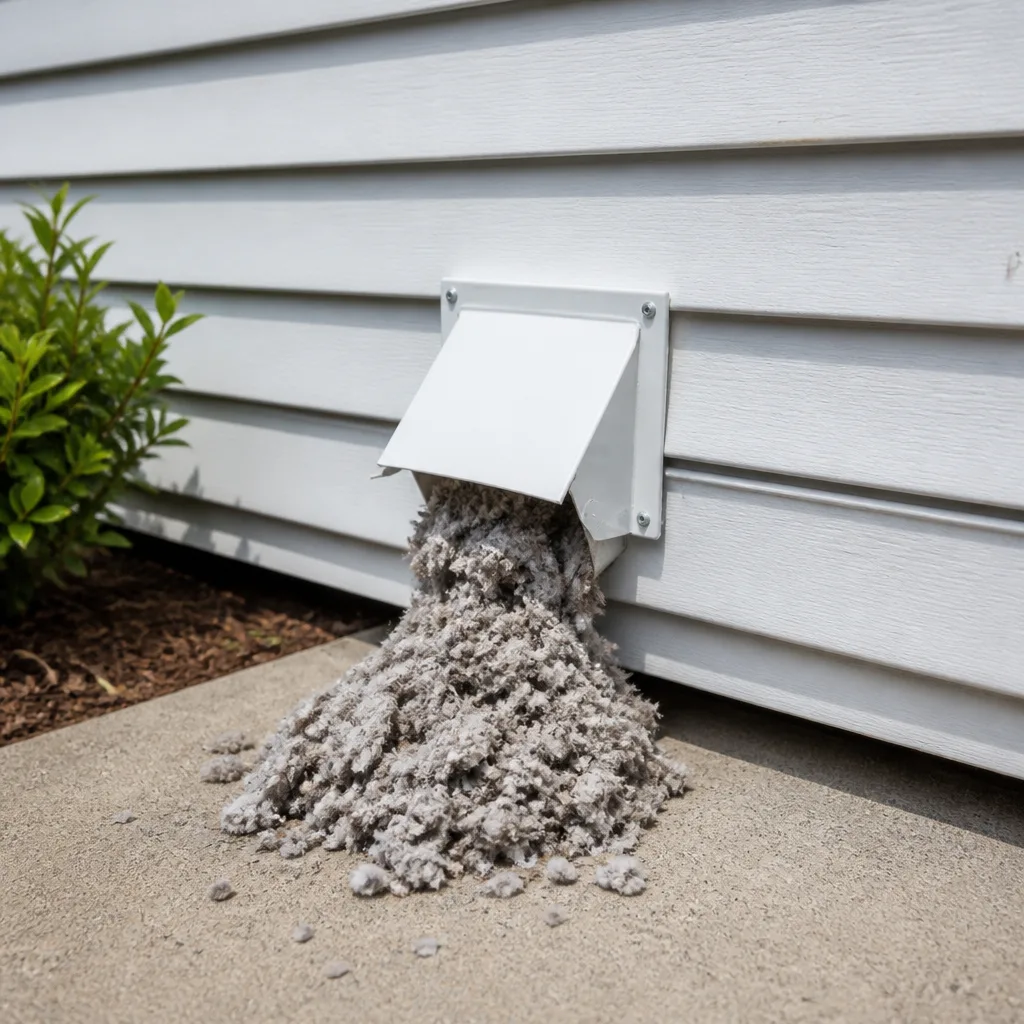 Dryer vent cleaning
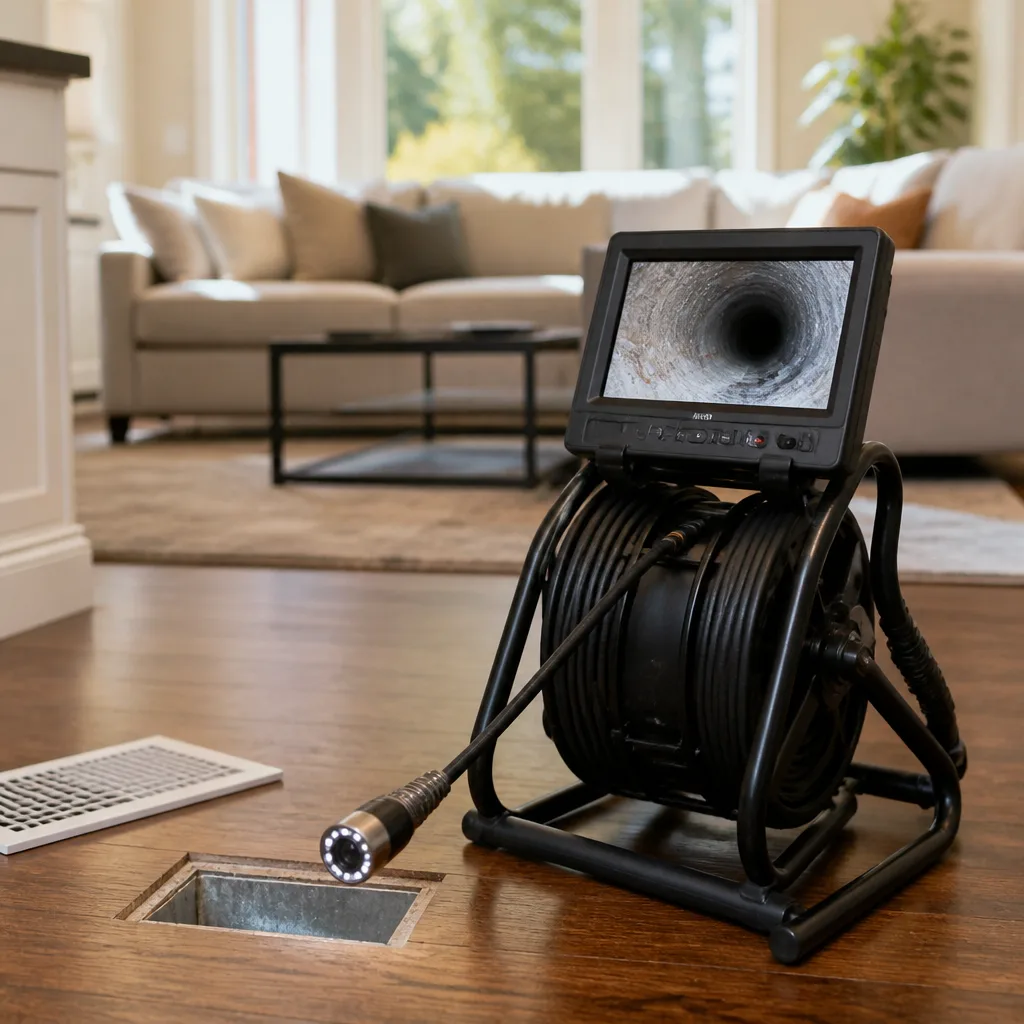 Camera inspection
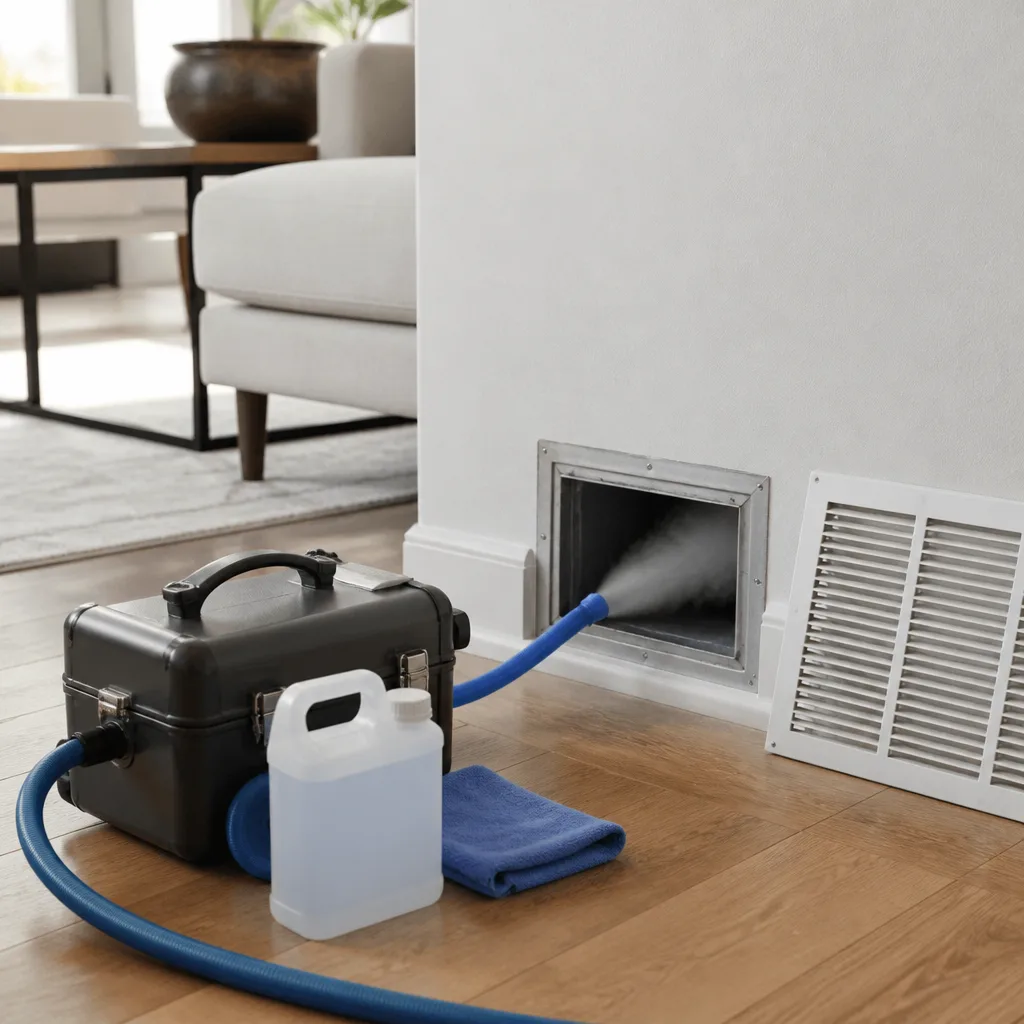 Sanitizing & deodorizing
Whole-system duct and dryer vent check with before-and-after photos - you see exactly what came out of your vents
That "$99 whole-house special" is a bait ad - the real number appears once they are in your hallway, or the "clean" is a shop-vac at the register. We photograph the inside of your ducts before and after instead.
DIY vs Professional Air Duct Cleaning: The New Orleans Homeowner’s Decision Guide
A shop vac and a register brush will remove what you can see. It will not remove what’s adhered to duct lining 15 feet from the nearest access point – and in New Orleans, that’s where the mold is. The misconception we run into most often is the assumption that dust you can reach is the same dust that’s causing the problem. It isn’t. The visible layer at the register is the least interesting part of your ductwork; the material that matters lives on interior surfaces, in the plenum above the air handler, and along runs that no homeowner can physically access without cutting into the system. This guide walks through what DIY tools can and cannot reach, why surface cleaning without negative pressure can make things worse, the specific maintenance tasks that genuinely belong in a homeowner’s hands, and the insurance and liability questions that most New Orleans homeowners never think to ask before they start.
Quick Answer
For most New Orleans homes, DIY air duct cleaning does not work as a substitute for professional service. A shop vac and hand tools can clean registers and reachable plenum surfaces, but they cannot generate the negative pressure or agitation needed to dislodge adhered contaminants from duct lining beyond a foot or two, and cleaning without proper containment can suspend particulate into living space rather than remove it. DIY is appropriate for register wiping, filter changes, and dryer vent visual checks; anything involving interior duct surfaces, mold, or air quality symptoms calls for professional equipment.
Styles & brands we work with
- Whole-home duct cleaning
- Dryer vent cleaning
- Camera inspection
- Sanitizing & deodorizing
Table of Contents
- What DIY Tools Physically Can and Cannot Reach
- Why Surface Cleaning Without Negative Pressure Backfires
- The Three DIY Tasks That Genuinely Make Sense
- How to Evaluate Whether Your System Actually Needs Cleaning
- The Louisiana Liability Question Nobody Asks
- Why New Orleans Air Makes This Decision Different
- What Professional Duct Cleaning Actually Involves
- Common Mistakes to Avoid
- When to Call a Professional
- Frequently Asked Questions
What DIY Tools Physically Can and Cannot Reach
The honest answer to “can I clean my own ducts” depends entirely on which part of the duct you mean. Standard residential ductwork in New Orleans runs in two general configurations: rigid galvanized sheet metal, and flex duct – the ribbed, foil-wrapped tubing common in attic runs and retrofits. Both have interior surfaces that DIY tools handle very differently from professional equipment.
Here’s what a homeowner with a shop vac can realistically reach:
- Supply and return registers: Wiping out the grille, the boot opening, and the first foot or so of duct behind the register.
- Return plenum surfaces where accessible by hand through a filter slot.
- Visible debris at the base of floor registers and on the register grate itself.
What DIY cannot reach:
- Anything beyond roughly 12 to 18 inches of duct run. A shop vac loses meaningful suction past a foot or two of flexible hose, especially once the hose is narrow enough to fit inside a standard duct. The suction drop-off is steep enough that by 15 feet – a common distance from an accessible register to the first elbow – the vacuum is essentially stagnant air.
- Elbows, wyes, and transitions, where debris accumulation is heaviest and airflow turbulence is highest.
- The supply plenum above the air handler, which in most New Orleans installations is the single dirtiest surface in the whole system.
- Flex duct interior lining, where dust bonds to the corrugated surface. Anyone who has seen a filthy flex duct knows you can’t vacuum it with a shop vac. You have to brush it under negative pressure or the debris just re-aerosolizes.
- Any duct run without an accessible register or access panel. Which is most of them.
The distance problem is the one that matters most. A hand-held or shop-grade vacuum generates airflow measured in tens of cubic feet per minute; professional duct vacuums are engineered to produce hundreds of CFM of sustained negative pressure at the far end of a 30-foot hose. That’s not a marketing number. It’s the physics that determines whether dislodged debris leaves the system or settles back on the lining.
Why Surface Cleaning Without Negative Pressure Backfires
We see this often in New Orleans: a homeowner decides to “clean the ducts” with a shop vac, a hand brush, and a Saturday afternoon. The registers come out. The shop vac goes in. Surfaces look cleaner. Two weeks later, the dust is back, and the allergy symptoms are worse than before. What happened?
Debris in ductwork doesn’t sit still. It exists in two states: adhered to the duct lining and suspended in airflow. When you agitate adhered debris without negative pressure to capture it, you push it from one state to the other. Particulate that had settled harmlessly in a return trunk gets lifted into the living space through every open register in the house. Fine dust, mold spores, pet dander, fiberglass from degraded duct liner – all of it gets redistributed across the rooms the system serves. You haven’t cleaned the ducts. You’ve turned them into a delivery mechanism for the exact contaminants you were trying to remove.
Professional cleaning solves this with a two-step motion: agitate, then capture. The agitation comes from a rotary brush – we use Rotobrush rotary brush systems on every job, which physically scour the lining rather than just brush the surface. The capture comes from Nikro HEPA-rated vacuum equipment that generates sustained negative pressure throughout the run, so dislodged debris moves toward the extraction point rather than into the room. Add Abatement Technologies air filtration equipment for jobs where contaminant capture is critical – the same class of machinery used in remediation work – and you have containment level that no shop vac can approach.
The takeaway: cleaning without negative pressure is not “cleaning with fewer features.” It’s a different activity with a different outcome, and the failure mode is actively worse than doing nothing.
The Three DIY Tasks That Genuinely Make Sense
We’re obviously in the business of professional cleaning. That doesn’t mean every part of duct maintenance should be outsourced. Three tasks belong in the homeowner’s hands, and doing them well is genuinely useful.
- Register wiping. Pull the grilles, wipe both sides with a damp cloth and a mild cleaner, and reinstall. This is surface hygiene, not duct cleaning, and it’s worth doing on a schedule – every month or two in New Orleans, or whenever the grates show visible buildup. Don’t push anything into the duct opening. Just clean the grate.
- Filter replacement. This is the single highest-leverage DIY task in the entire system. A clean filter at the correct MERV rating is doing more for indoor air quality than any register cleaning ever will. Check it monthly during heavy cooling months, which in New Orleans is most of the year, and replace when it’s visibly loaded. Don’t overshoot the MERV rating – a filter too restrictive for the blower motor can reduce airflow and create its own problems.
- Dryer vent visual checks. Pop the outside vent cover and look in with a flashlight. If you see lint packed around the flapper or the vent housing, that’s a warning sign. Pull the lint off the flap and schedule an inner-duct cleaning. Do not try to snake a long dryer vent run yourself – the flexible brush kits sold for homeowner use tend to push lint into elbows rather than clear it, and the compressed lint in a long run is the fire hazard, not the surface fluff.
That’s the honest list. Anything inside the duct system beyond the register opening, anything involving mold smell or visible growth, and anything requiring disassembly falls outside what DIY tools can safely handle.
How to Evaluate Whether Your System Actually Needs Cleaning
Not every home needs duct cleaning. A home with a well-maintained system, no moisture issues, and no symptoms may genuinely be fine. Here are the indicators that tell you a professional evaluation is warranted – and the ones that don’t.
Reasons to schedule a professional assessment:
- Visible mold growth inside ductwork or on the air handler, particularly mold on the interior of the supply plenum or on flex duct lining.
- Musty or earthy odors coming from registers when the system first comes on, which usually points to biological growth somewhere in the system.
- Unexplained allergy or respiratory symptoms that worsen inside the home and improve when you’re away for extended periods.
- Visible debris blowing out of registers when the system kicks on – not just a puff of dust at first startup, but ongoing particulate.
- Recent renovation, water intrusion, or pest activity in the home. All three dump material into ductwork.
- New-to-you home purchase where you don’t know the prior maintenance history.
Reasons that sound compelling but usually aren’t:
- “It’s been five years since the last cleaning.” Duct cleaning isn’t a calendar-driven service. Two homes on the same schedule can have vastly different cleanliness depending on filtration, moisture, and occupancy.
- “My energy bill is high.” High energy bills have many causes, and duct cleaning rarely fixes them on its own. Duct leakage and insulation failures do, and those are repair issues, not cleaning issues. This is a reminder that New Orleans Duct Cleaning also handles ductwork repairs – breaches and disconnects that cleaning alone won’t fix.
- “There’s dust on my furniture.” Household dust is mostly textile fibers and skin cells. Ductwork is one source, not usually the dominant one. Get an inspection before committing to full-system cleaning.
The honest evaluation is a visual inspection: cut open an access point if needed, look inside the plenum, and sample a section of duct run. Any credible professional will tell you up front whether your system needs the work.
The Louisiana Liability Question Nobody Asks
Here’s the part of this decision that almost never gets discussed, and it’s the one with the biggest downside. Duct systems in New Orleans homes are wet systems – the air conditioning runs hard, humidity sits at 80 percent or higher for months, and the coil, the plenum, and the interior duct surfaces are the coolest places in the house. That’s a condenser. It’s where mold grows.
When a homeowner disturbs mold growth inside ductwork without containment, the spores don’t stay in the duct. They distribute through the living space across hours of system run time. If someone in the home has asthma, an immune condition, or a documented mold sensitivity, and a medical event follows, the homeowner’s exposure gets complicated fast:
- Homeowners insurance typically excludes mold remediation unless the mold is tied to a covered water loss. Duct-related mold disturbed by a homeowner is not a covered event in most policies. The remediation cost lands on the homeowner.
- Second and third-party liability – if the disturbed spores affect a tenant, a guest, or a family member, the analysis becomes liability rather than property. A landlord moving into DIY territory with duct contamination in a rental property is taking on a category of risk most residential policies don’t cover well.
- Contractor work is different. A professional service carries its own general liability and follows containment protocols. In the event something goes wrong, there’s a business on the other side of the claim. That’s not a small difference.
We’re not saying DIY always triggers a liability event. We’re saying that duct mold work in New Orleans is a category where DIY shifts risk onto the homeowner in a way that most people don’t realize until after the spill. The math is straightforward: any duct system showing mold or persistent biological odor should be handled by a professional with documented containment and proper equipment.
Why New Orleans Air Makes This Decision Different
New Orleans is not a mild-climate city for ductwork. Winters here are mild, so the heating side of the system barely runs; the cooling side runs eight or nine months of the year, pulling in humid outdoor air and dropping it below dew point at the coil. That’s the mechanism that drives most duct contamination we see in New Orleans – not dust from the outside, but condensation and biological growth downstream of the coil.
A few New Orleans-specific conditions worth knowing:
- High humidity, year-round. Duct systems in New Orleans operate in a moisture environment that accelerates biological growth on any surface that stays cool and wet. This is the single biggest reason ductwork here needs professional attention more often than in drier climates.
- Older housing stock. Uptown, Mid-City, the Marigny, and Bywater have homes with ductwork systems that were retrofitted over decades. Original sheet metal, later flex additions, and occasional disconnected runs are all common. A visual-only inspection misses most of it.
- Attic duct runs. Much of the New Orleans housing stock runs ductwork through attic space, and while attics here don’t face freeze issues, they do reach high summer temperatures. Duct insulation failures in those attics are common and cost efficiency, not just cleanliness.
What this adds up to: the conditions that make ducts dirty in New Orleans are the same conditions that make surface cleaning misleading. A homeowner who vacuums the registers in a New Orleans home may believe the system is clean precisely when the interior lining – wet, cool, and biologically active – is at its worst. That false confidence is the real cost of DIY in this climate, and it’s higher than the cleaning cost it’s saving.
What Professional Duct Cleaning Actually Involves
Understanding the professional process matters for evaluating quotes, because the difference between a genuine cleaning and a surface wipe is entirely in equipment and sequence.
- System inspection and access. Registers come off, access points get cut where needed, and the plenum and main runs get evaluated. The scope of work is set based on what the system actually shows.
- Containment and negative pressure. The extraction unit connects at a return, and the entire system is put under constant negative pressure before any agitation starts. Nikro HEPA vacuums and Abatement Technologies filtration equipment handle this step – the whole point is that debris never leaves containment.
- Rotary brush agitation. A Rotobrush rotary brush runs through every accessible run under pressure, physically scouring the lining. This is the step that gets adhered contaminants off the surface rather than just stirring them up.
- Register and plenum cleaning. Every register, boot, and plenum face gets cleaned as part of the same job.
- Before-and-after documentation. Photographs of ducts, plenum, and registers, so the homeowner can see what was actually removed. Not a verbal claim.
- Post-clean inspection. Any breached joints, disconnected runs, or deteriorated flex duct gets identified. This is where real value sits – most duct cleaning crews flag problems they can’t fix. We handle repairs on the same visit, and we also supply and install Honeywell and Aprilaire whole-home air quality products when the system calls for upgraded filtration.
If a quote doesn’t include the pressure-capture step, the brush agitation step, and the documentation step, it isn’t the same service – it’s the free version with a price tag attached. That’s the pattern behind most homeowner complaints about duct cleaning: someone was quoted low, and the job performed didn’t match what the word “cleaning” should mean.
See the difference
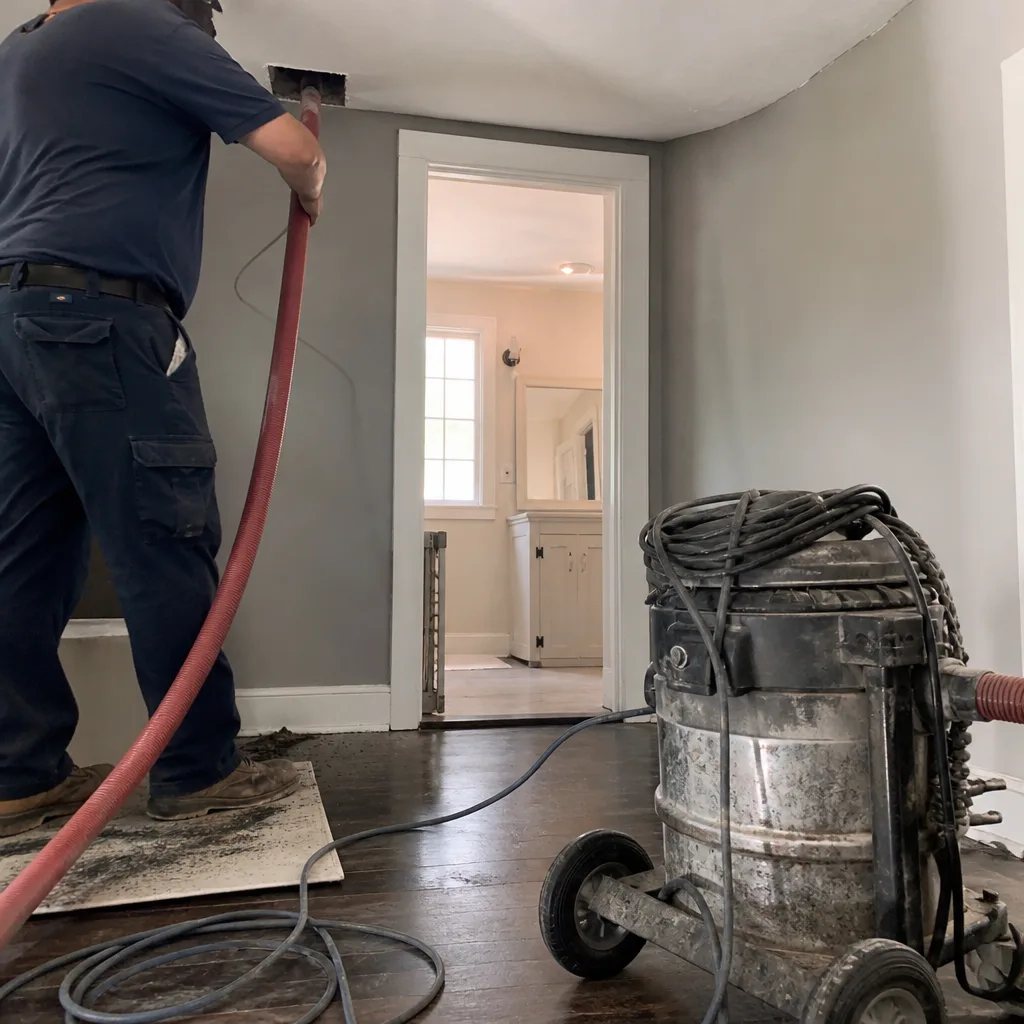 Before
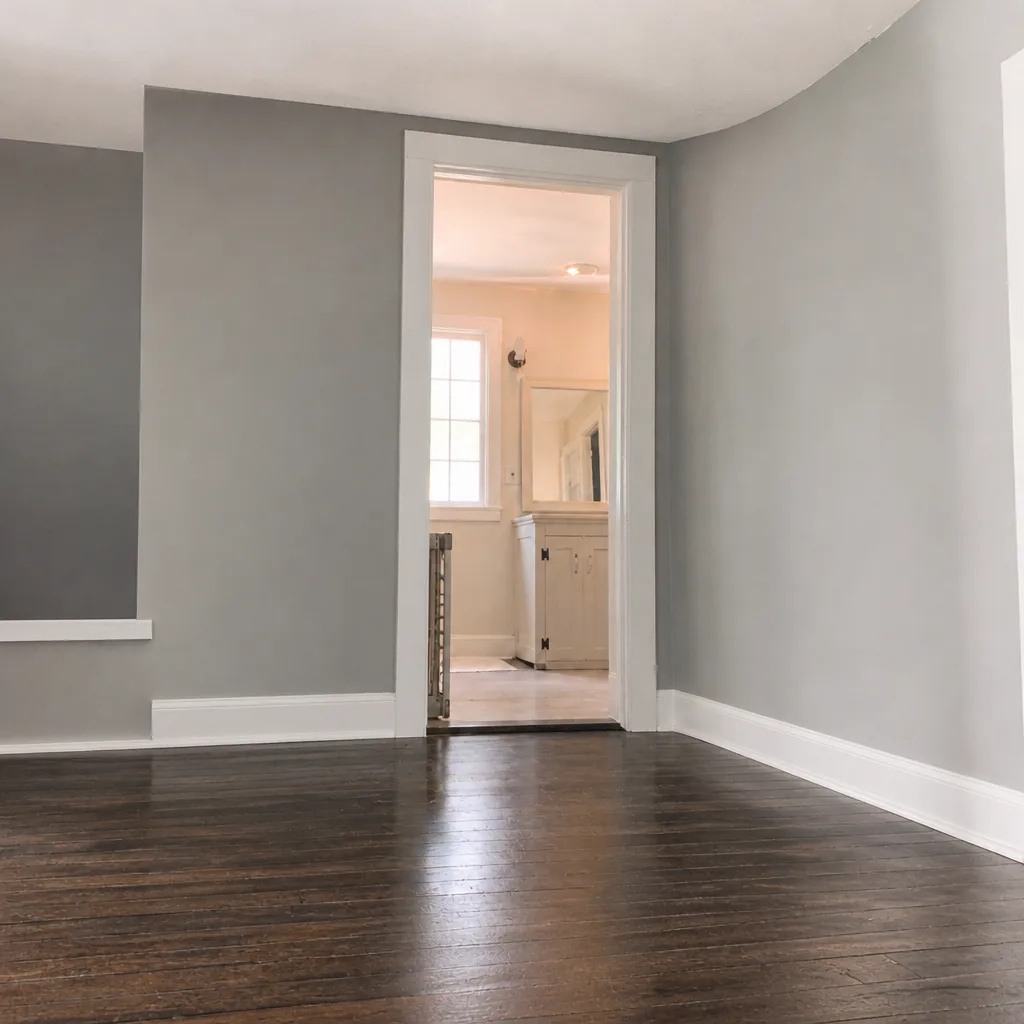 After
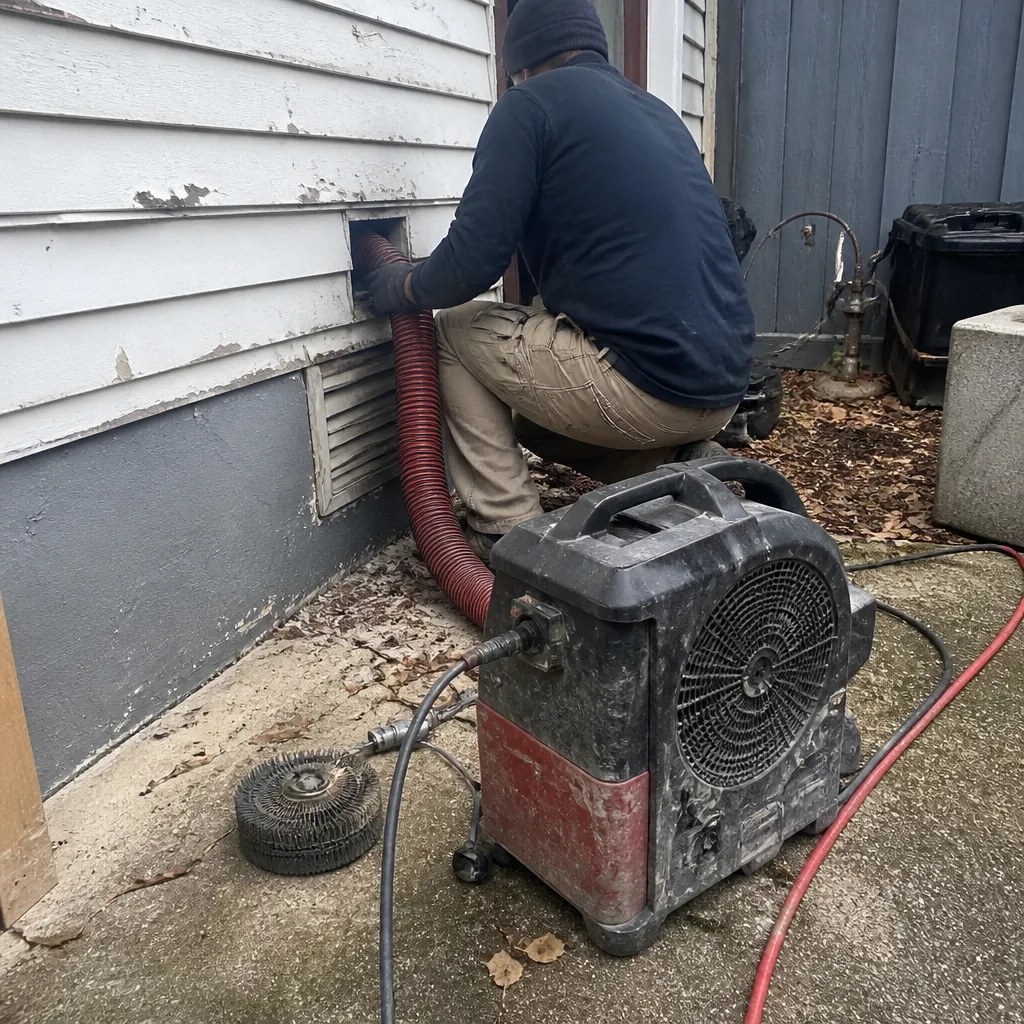 Before
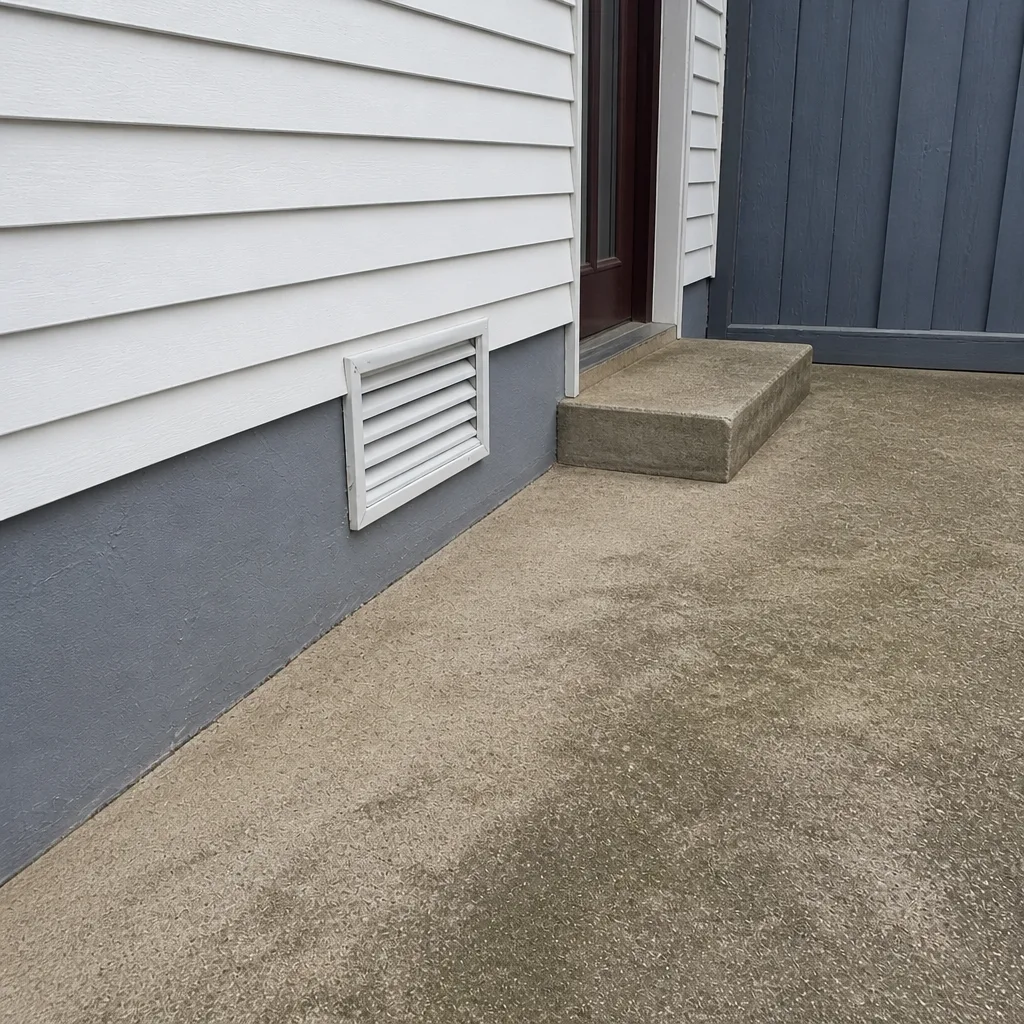 After
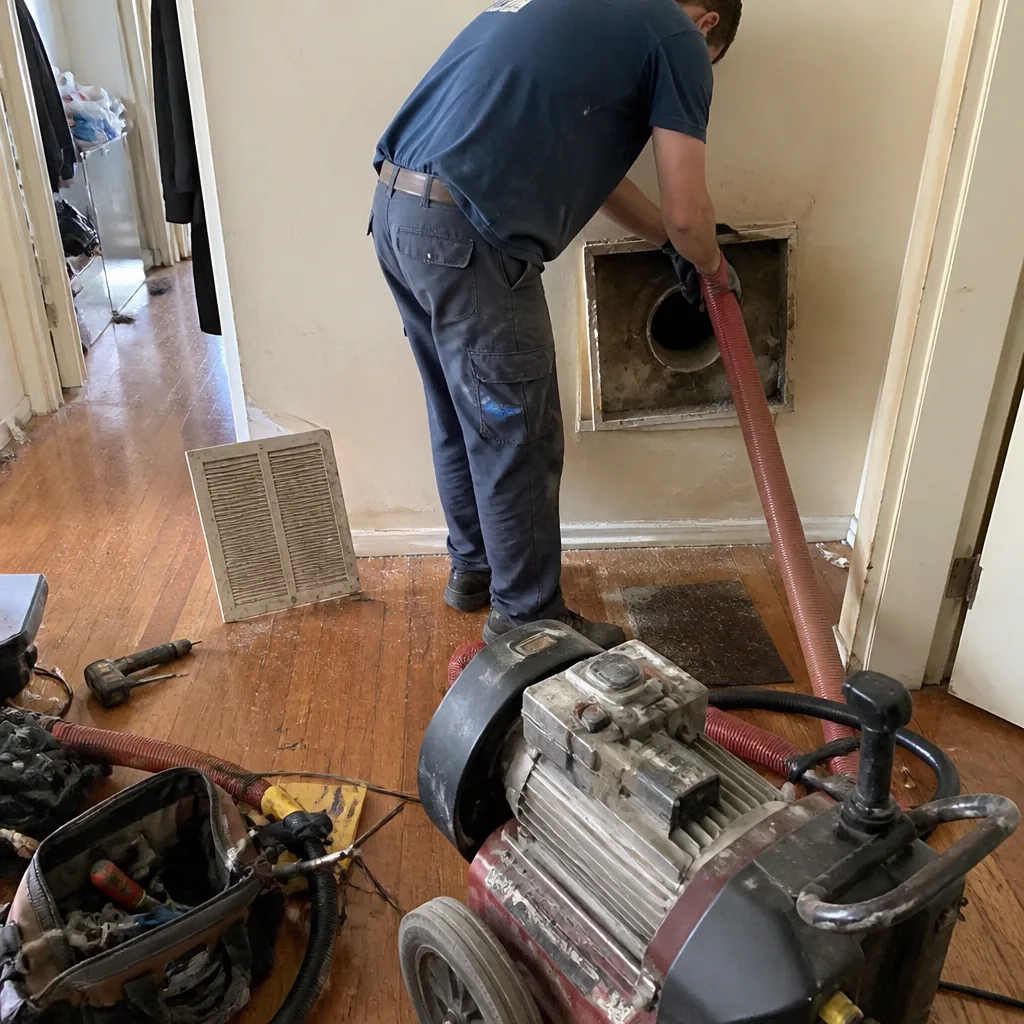 Before
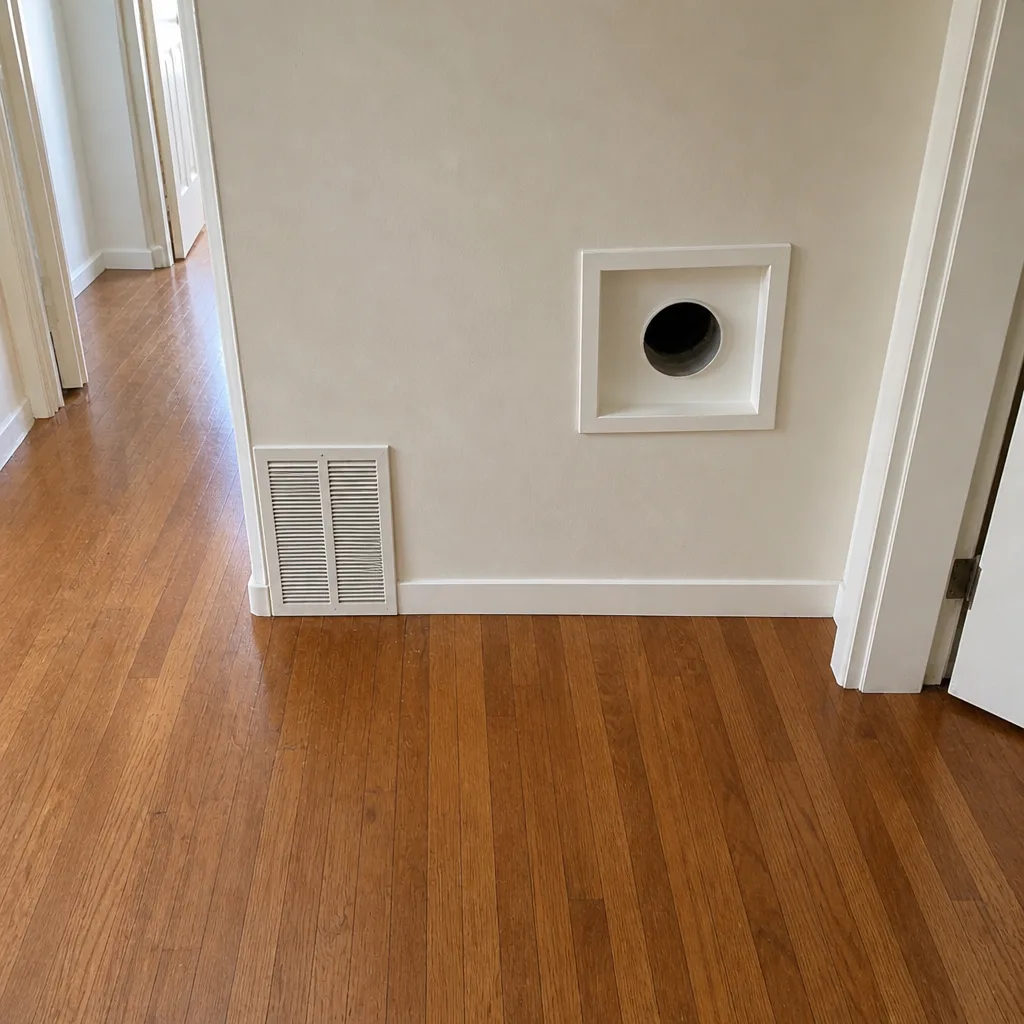 After
Common Mistakes to Avoid
- Hiring on price alone and assuming all cleaning is equal. A low coupon price typically means a crew with a shop vac and a ladder, not one with rotary agitation and HEPA capture. Duct cleaning is an equipment business, and a quote that’s dramatically cheaper than the market tells you exactly which step is being skipped.
- Trying to vacuum mold-contaminated duct lining with a shop vac. This is the mistake with the highest downside. Agitation without containment distributes spores into the air you’re breathing. If mold is suspected, call a professional with documented containment from the first inspection.
- Cleaning registers and assuming the ducts are clean. Register surfaces are the only part of the system the homeowner can easily see, which means they’re also the least diagnostic indicator of system cleanliness. New Orleans homes with visibly clean registers and heavy plenum contamination are extremely common.
- Skipping the dryer vent because “the air comes out.” Airflow at the outside vent flap tells you almost nothing about lint accumulation on the inner walls of the run. A dryer vent fire starts from lint that’s already accumulated, not from airflow that’s slowly dropping away.
- Ignoring duct repair while paying for duct cleaning. Cleaning a system with disconnected joints is like cleaning a bucket with a hole – the job doesn’t hold. Get the repairs sorted first or in the same job, not added later.
- Overshooting the filter MERV rating in a New Orleans home. Higher MERV sounds better, but on many residential blowers a high-MERV filter runs the static pressure up past what the system is designed for, dropping airflow and stressing the motor. Aprilaire and Honeywell systems are designed to match a specific filter class to the system – that’s a conversation to have before installing, not after.
- Assuming a home renovation left the ducts alone. Drywall dust, wood particles, insulation fibers, and concrete dust from any renovation drop straight into the return. If a house has been remodeled and the return was open, that ductwork needs a genuine cleaning, not a filter swap.
When to Call a Professional
Call a professional if any of the following is true: visible mold inside the duct system or in the supply plenum; musty odor from the registers when the system starts; ongoing visible particulate blowing from registers; recent water intrusion, renovation, or pest activity; unexplained allergy or respiratory symptoms that improve when you’re away from home; or a home without a documented professional cleaning in its maintenance history. The same list applies for a dryer vent if lint is packed around the outside flap or drying times have noticeably lengthened.
New Orleans Duct Cleaning offers free estimates in New Orleans – call (833) 749-5104. We answer 24/7. Fast dispatch from 7am to 7pm, Sunday through Friday. Our technicians have up to 14 years of experience, and every job uses the same professional-grade equipment: Rotobrush rotary brush systems, Nikro HEPA vacuums, and Abatement Technologies containment. We sell and install Honeywell and Aprilaire air quality systems, and we also handle air duct cleaning and repairs on the same appointment.
Frequently Asked Questions
You can clean the register grilles and the first few inches of duct behind them with a shop vac, but you cannot clean the system itself. Suction drops off sharply past about 12 to 18 inches of hose, and without sustained negative pressure and mechanical agitation, the interior lining stays contaminated. Cleaning deeper runs with a shop vac typically redistributes debris into living space rather than removing it.
Pricing in New Orleans depends on system size, number of runs, accessibility, and whether repairs are needed – it’s a per-job estimate, not a per-vent charge. We can’t quote an accurate number without seeing the system. The most honest path is a free inspection and written estimate before any work starts. Call (833) 749-5104 for an exact quote – estimates are free.
Cheap quotes usually skip the two steps that actually matter: rotary brush agitation under sustained negative pressure and HEPA-level contaminant capture. What’s left is a surface wipe of the registers. That’s not a discount on the same work – it’s a different job. When comparing quotes, ask specifically what equipment will be used and whether before-and-after photos are included. If a company can’t answer those questions, they’ve answered the real one for you.
Before-and-after photos of your own ducts, plenum, and registers – not stock photos. Any professional job should include visible documentation of what was in the system before cleaning and what was removed. We photograph every job for this exact reason: the customer should be able to see the evidence without having to take it on trust.
There’s no fixed interval. Duct cleaning is driven by conditions, not a calendar. In New Orleans, the combination of high humidity, year-round cooling, and older housing stock tends to shorten the interval versus drier climates, but the honest answer is that each system needs to be evaluated on its own terms. A home with visible mold or persistent odor needs cleaning now; a home with clean ductwork and a healthy filtration system may not need it for many years.
Duct cleaning can help reduce exposure to airborne contaminants if the ductwork is genuinely contaminated with mold, dust, or debris. It is not a substitute for medical care and it will not resolve allergy symptoms caused by outdoor pollen, pets, or other sources. What it does well is remove one contributing source – and in a New Orleans home with bio-growth in the system, that can be a significant source. A visual inspection is the right starting point.
Yes – dryer vent cleaning is a dedicated service, not an add-on. Lint accumulation in a dryer vent run is one of the leading causes of home fires, and a proper cleaning uses the same agitation and containment approach as duct cleaning. We handle both in one visit when both need doing.
Stop using DIY methods immediately and call a professional. Mold disturbance without containment spreads spores into living space, which is the opposite of what you want. We assess mold presence during inspection, use Abatement Technologies filtration equipment for containment, and can recommend further steps based on what we find. Call (833) 749-5104 for a free estimate – we’ll tell you honestly what the system needs.
The Bottom Line
DIY duct cleaning in New Orleans is a false economy – not because it’s always dangerous, but because the tasks DIY can actually accomplish (register wiping, filter replacement, dryer vent visual checks) don’t address the part of the system that drives most contamination here. The conditions that dirty ducts in New Orleans – high humidity, eight months of cooling, older housing stock with retrofitted runs – are exactly the conditions that put the most contamination beyond what a shop vac can reach. Worse, surface cleaning without negative pressure can suspend and redistribute contaminants, giving you confidence in a system that still has a real problem inside it. If your ducts have mold, odor, visible particulate, or you can’t document their maintenance history, get a professional inspection. New Orleans Duct Cleaning sells nothing we don’t need to sell: New Orleans homeowners get a straight assessment, a written estimate, and a job done with genuine rotary agitation and HEPA-level capture. Call (833) 749-5104 for a free estimate. We answer 24/7. Fast dispatch from 7am to 7pm, Sunday through Friday.
Written by the team at New Orleans Duct Cleaning.