
Last updated November 15, 2026
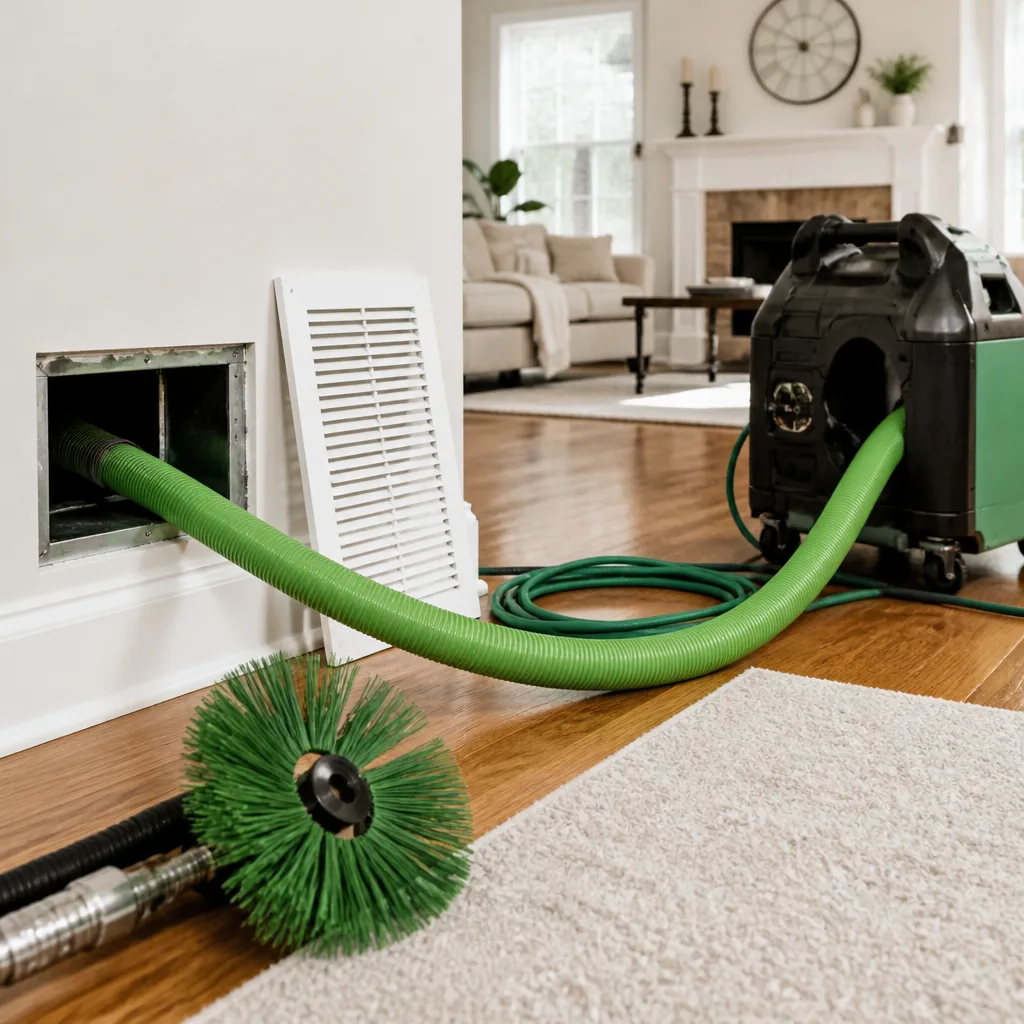 Whole-home duct cleaning
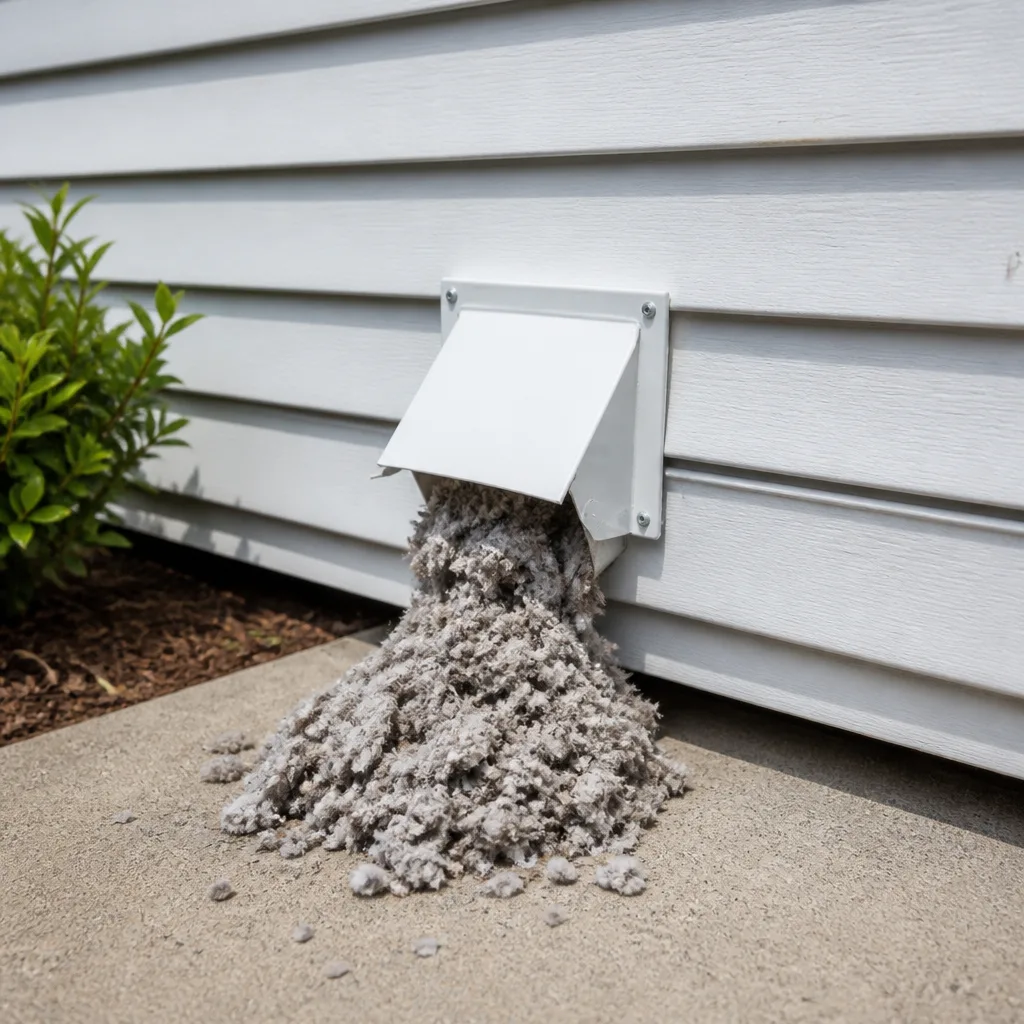 Dryer vent cleaning
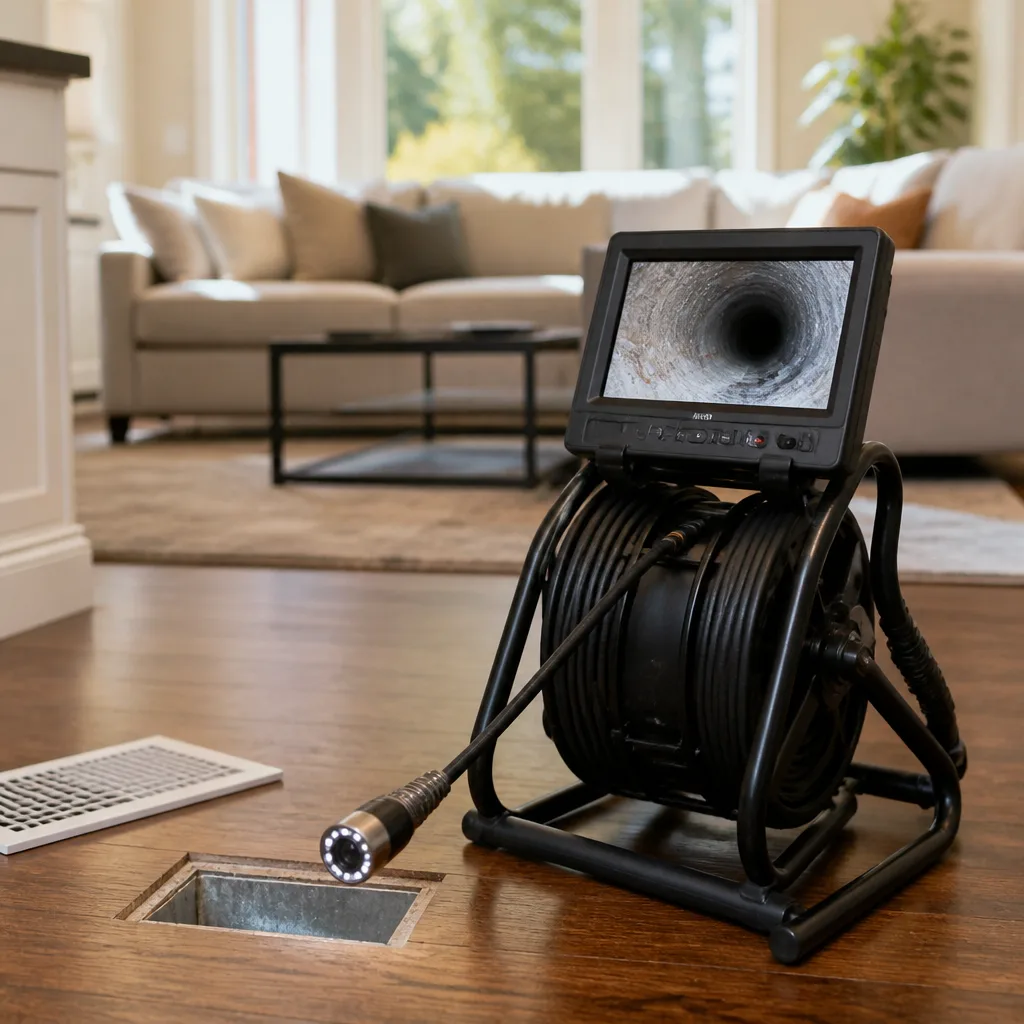 Camera inspection
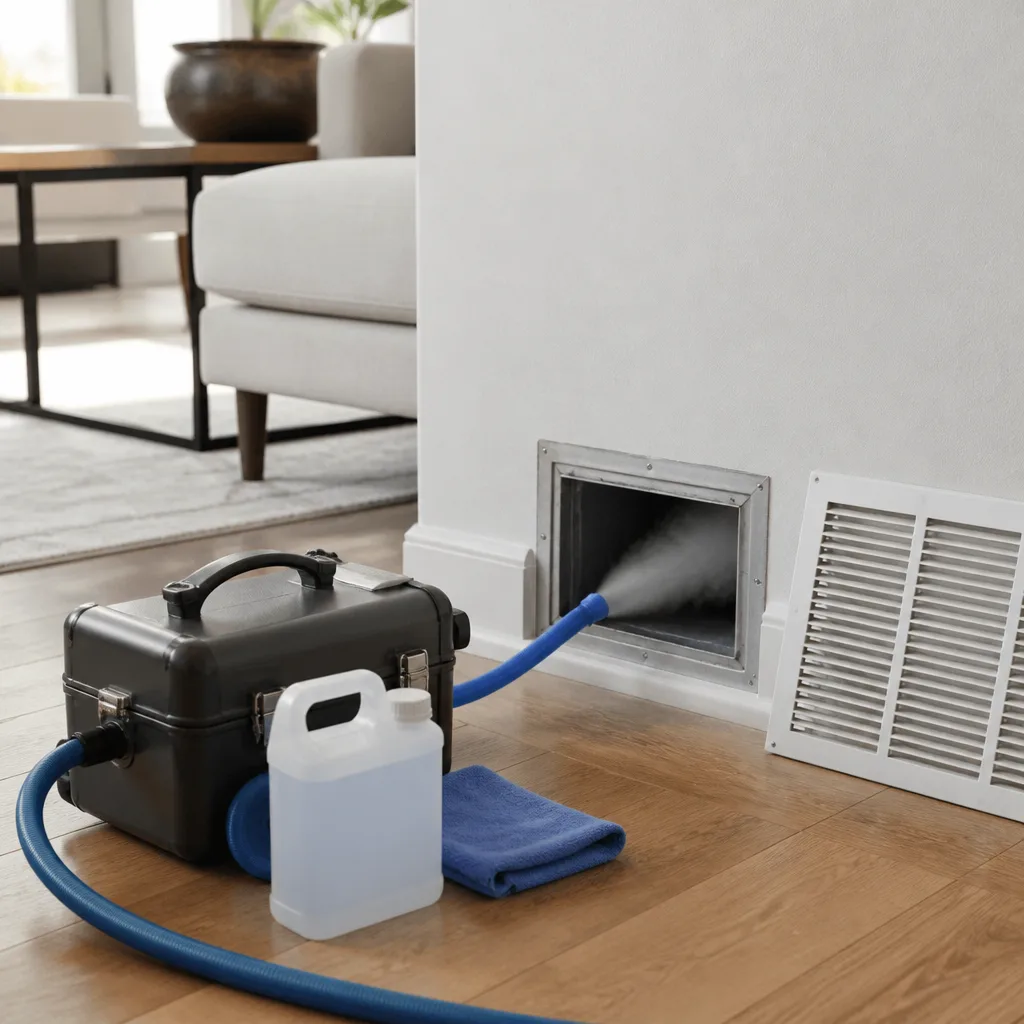 Sanitizing & deodorizing
Whole-system duct and dryer vent check with before-and-after photos - you see exactly what came out of your vents
That "$99 whole-house special" is a bait ad - the real number appears once they are in your hallway, or the "clean" is a shop-vac at the register. We photograph the inside of your ducts before and after instead.
Air Duct Cleaning Emergency Preparedness Guide for New Orleans Homes
Hurricane plans in New Orleans usually live in a folder by the door: water, batteries, generator fuel, evacuation route, pet carriers. Almost none of them say a word about the HVAC system. That gap is a problem, because a house can come through a storm with no standing water inside and still end up with a duct system full of mold. FEMA assessments after Katrina found mold growth inside ductwork in homes that never flooded, driven by storm-forced humidity working in through the building envelope while the air handler kept pulling damp air through the return. This guide covers what to do before landfall, what to inspect before you restart, and how to document storm-related duct damage so an insurance claim has something to stand on.
Quick Answer
Shut the HVAC system down at the breaker before a hurricane makes landfall and keep it off through the storm, then inspect the attic ducts, return plenum, and condensate drain before you restart it. Mold can begin colonizing a wet duct interior within 48 to 72 hours of moisture exposure, so the cleaning decision in the days after a storm is time-sensitive. Proof matters more than speed when you file a claim, and photos taken before anything gets wiped down are the difference between a covered duct remediation and a denied one.
Styles & brands we work with
- Whole-home duct cleaning
- Dryer vent cleaning
- Camera inspection
- Sanitizing & deodorizing
Table of Contents
- Why Ductwork Is the Most Overlooked Part of a New Orleans Hurricane Plan
- Pre-Storm Protocol: Shutting Down the HVAC System Correctly
- Post-Storm Inspection Sequence: What to Check Before Restarting
- Storm-Related Contamination vs. Pre-Existing Contamination
- The 48 – 72 Hour Mold Growth Window Inside Ductwork
- What Documentation to Gather for a Duct Cleaning Claim
- Why Post-Storm Ducts Need More Than a Shop Vac
- Common Mistakes to Avoid
- When to Call a Professional
Why Ductwork Is the Most Overlooked Part of a New Orleans Hurricane Plan
New Orleans homeowners are rightfully careful about storm prep. Shutters, roof ties, generator hookups, insurance photos. What gets missed is that the duct system is a set of connected cavities running through the attic and walls, and those cavities are not airtight. When a storm drops pressure, drives rain sideways, and fills the neighborhood with heavy warm air for days, the ducts are part of the house that’s collecting the conditions that feed biological growth.
In New Orleans, the problem gets worse because the post-storm scenario is heat, not cold. A closed-up house in August with the power out is a warm, humid box. Any moisture that gets into the duct interior during or after the storm has nowhere to dry quickly. Sheet metal sweats on the outside of insulated runs. Duct board absorbs. Flexible duct takes on water at the low points and holds it.
Here’s where the confusion starts. Homeowners look at the ceiling, see no damage, and assume there’s nothing to check. The ducts are behind the drywall and above the ceiling, so they’re easy to write off. But the air handler keeps on drawing from the return, and the return keeps pulling whatever the house gives it.
- Attic ducts sit in unconditioned space and are the first things to absorb storm-driven moisture.
- Returns located low in the house can pick up humidity from wet floors or damp crawl spaces.
- Flex duct on the floor of the attic holds water in sagging runs long after the rest of the house has dried.
- Plenum connections can be knocked loose by wind vibration and pressure swings, leaving gaps that pull attic air.
The result is that a house with no visible water damage can still produce a musty smell weeks after a storm passes. If you want a clean baseline for what your ducts looked like before a storm event, schedule air duct cleaning in the quiet months. A pre-storm documentation package gives you a comparison point when a claim is on the line.
Pre-Storm Protocol: Shutting Down the HVAC System Correctly
The single most useful storm prep step most New Orleans homeowners skip is turning the HVAC system off before the storm arrives. Not just the thermostat. The breaker. Here’s why: the air handler is a fan pulling hundreds of cubic feet per minute of air through the return and pushing it out the supply. If the storm drives moisture through a failed gasket, a loose access panel, or an open window you’re trying to close, the system keeps pulling humid air through the ducts and past any filter you have. You want the system quiet.
- Turn the thermostat to Off, not Auto. Auto means the system can cycle on when the house warms up. You want it down.
- Kill power at the air handler breaker. Find the panel, switch off the circuit feeding the indoor unit and the outdoor condenser. Confirm the unit doesn’t hum.
- Close and seal the return. If your return grille takes a cover easily, put it on. A piece of cardboard taped over the grille is not elegant but it prevents the return from pulling storm air into the system while the power is off.
- Clear the condensate drain. A drain that’s already sludged up will overflow into the pan or the attic floor after the storm. Flush it before the storm.
- Photograph everything. Duct runs visible in the attic, return grilles, the air handler and pan, the exterior condenser. Datestamped photos made before the storm are the cheapest insurance proof you’ll ever have.
- Pull the filter and store it dry. A wet filter after a storm is a mold incubator. Set it in a plastic bag with the rest of your storm folder.
If you’re evacuating, do this before you go. If you’re staying, do it a day before landfall so you’re not doing it by flashlight. Attics in New Orleans in August reach temperatures that make this kind of prep work genuinely unsafe once the sun is up, so treat it as an early morning job or a job for someone with the right equipment. Because ducts live in cramped, hot, unfinished spaces, this is one of those tasks where a trained technician with proper equipment is often the safer call. Our technicians have up to 14 years of experience working in New Orleans attics and know when the conditions are too dangerous to be up there.
Post-Storm Inspection Sequence: What to Check Before Restarting
After the storm passes and before you turn the HVAC back on, walk the system in order. Restarting a wet system spreads the moisture it needs to spread. The inspection takes twenty minutes if you know what you’re looking for, and it saves days of remediation pain if you catch something in time.
Step 1: The attic duct run
Get up into the attic with a flashlight. Look along every foot of duct you can see. Flexible duct that has lost its shape, shows water staining on the outer jacket, or feels heavy at a low point is suspect. Sheet metal runs with visible condensation beads on the exterior insulation are a signal that the run has been cold while the attic has been hot and humid. That’s the exact recipe for condensation inside the duct jacket.
Step 2: The return plenum
The return plenum is the big box where the return air meets the air handler. Check the seams where the plenum meets the unit. Panned returns made of drywall or framing cavities are common in older New Orleans homes, and those are the ones most likely to fail. Look for daylight, gaps, or wet drywall at the corners.
Step 3: The condensate drain and pan
Look at the drain pan under the indoor coil. If there’s standing water in it, or slime in the drain line, or water stains on the underside of the drain pan, the system has an ongoing moisture problem that the storm likely made worse. Clear it or call someone before you restart.
Step 4: The system filter slot
If the filter slot itself has visible water stains or mold speckling, that moisture came from inside the system, not from the living space. That’s your red flag that the air handler has been wet.
Step 5: The supply registers
Pull a couple of supply grilles and look inside the boot where the duct meets the register. Dust is normal. Black speckling, fuzzy growth, or a strong musty smell is not.
If any of the above flags a problem, keep the system off. Turning it on to “test” it pulls the moisture into the whole duct network and accelerates what’s already started.
Storm-Related Contamination vs. Pre-Existing Contamination
Insurance adjusters see a lot of duct cleaning claims after a major storm, and they deny plenty of them. The ones that get paid are the ones where the homeowner can show that the contamination started with the storm, not ten years of dust before it. That’s a documentation problem, not a technical one. Disentangling what came from the storm versus what was already there is harder than it sounds, because ducts rarely come to a storm perfectly clean.
What separates storm-contaminated ducts from overdue-for-a-cleaning ducts usually comes down to location and pattern:
- Storm-related contamination tends to cluster at attic runs, plenum connections, and any section of duct with a compromised jacket. It follows the water path.
- Pre-existing contamination is usually uniform across the supply runs and heaviest at the returns and boots. It looks the same whether or not a storm came through.
- Mold growth that tracks with visible water staining on the duct exterior or the ceiling drywall is the cleanest storm signal.
- Mold in one isolated run after a storm, with clean ducts elsewhere, points to a specific breach, not a general house problem.
The strongest documentation package includes pre-storm photos of the same runs. If you hired New Orleans Duct Cleaning before storm season for a cleaning, your service documentation is already on file. If you didn’t, our technicians can still help you interpret what we find and separate storm damage from accumulated buildup. In our experience, adjusters want photos with visible timestamps, honest descriptions, and an invoice from a duct specialist rather than a handyman. Certainty solves more claims than superlatives.
The 48 – 72 Hour Mold Growth Window Inside Ductwork
The moisture you’re chasing inside a duct system after a storm doesn’t leave on its own. Ducts are closed cavities. The attic may be baking at 130 degrees Fahrenheit, the house may be running a dehumidifier, and the inside of the duct can still be wet for days. Once conditions line up (moisture, food source from settled dust, warmth), biological growth can begin within roughly 48 to 72 hours of the moisture exposure.
That window creates a decision point that most homeowners don’t realize they’re inside:
- 0 – 24 hours after the storm passes: Inspect and document. Keep the system off. Photograph everything you can reach. Take the first round of moisture readings if you have a meter.
- 24 – 48 hours: Get a professional assessment. If duct surfaces are still damp and there’s no air movement through the system, mold is starting whether you can see it yet or not. Cleaning at this stage removes the substrate before visible growth sets in.
- 48 – 72 hours: The window has closed on prevention. If conditions have been right, growth is likely established. Cleaning at this point is a real remediation job, not a maintenance sweep. Timing still matters, because the sooner the substrate is removed, the sooner it stops feeding.
- 72+ hours and onward: The situation isn’t hopeless, but you’re now dealing with the wider consequences: odors, allergy symptoms, and possibly a system that needs remediation-grade treatment rather than routine cleaning.
In New Orleans humidity after a storm, the timing compresses. Temperatures stay in the 80s and 90s, indoor humidity spikes when the power is out, and the house can’t dry itself. Waiting a week to “see if it clears up” is the wrong call.
What Documentation to Gather for a Duct Cleaning Claim
If you intend to seek coverage for post-storm duct work, the documentation window is short and closes when your ducts get cleaned. Below is what we recommend every New Orleans homeowner collects before calling anyone to touch the system. Adjusters don’t argue with a tidy file.
- Datestamped photos of every duct run you can see in the attic, before anyone cleans or wipes anything.
- Photos of the return plenum and any visible gaps or disconnects. Include a tape measure in the frame for scale if the gap is meaningful.
- Water staining evidence: any visible water line or tide mark on duct jacket, ceiling drywall, or attic decking near a duct.
- The air handler and drain pan, before anything gets emptied or dried out.
- Filter photos. A wet or musty filter is evidence that moisture reached the system.
- A written narrative of what you did (when you shut the system off, when you checked the house, when you noticed the smell). Dates and times matter.
- Utility outage record. If the power was out at your address, note the dates.
- Before and after photos from a professional cleaning, which show what came out of the system.
One tip from the field: take photos with your phone’s location services on and take a couple with a notebook in frame showing today’s date. Adjusters have learned that post-storm claims can be padded, and being obviously careful with your own documentation works in your favor.
Why Post-Storm Ducts Need More Than a Shop Vac
A shop vac at the return grille doesn’t clean a duct system. It removes what it can reach, kicks the rest of the dust into the air, and leaves the mold spores that are already bonded to duct surfaces exactly where they were. Post-storm cleaning has to do two things at once: physically dislodge the debris that’s stuck to the walls, and capture what comes off before it recirculates into the house.
Our team runs both steps on every job. A Rotobrush rotary brush system agitates the duct interior along its whole length, and a Nikro HEPA-rated vacuum pulls the dislodged material into containment. When heavier contamination is present, we bring in Abatement Technologies air filtration equipment, the same class of machinery used in professional remediation. That’s the difference between cleaning and actual removal.
Storm work also tends to surface duct damage: disconnected runs in the attic, crushed flex behind drywall, seams that opened under pressure. Most cleaners flag these and walk away. Our team repairs them on the same visit. If your system needs better filtration going forward, we supply and install Honeywell and Aprilaire air quality products at the same appointment, which means one call after the storm instead of three. Post-storm cleaning is a different job than routine maintenance, and it’s worth reading up on dryer vent cleaning too, because dryer vents are a second overlooked storm-safety item and a real fire risk in their own right.
Common Mistakes to Avoid
- Restarting the HVAC “just to see if it works” before inspecting the ducts. The moment the fan starts, moisture that was sitting in one run gets pulled through the entire system. Check first, run later.
- Assuming a dry house means dry ducts. In New Orleans, closed-up homes after a storm hold humidity in the 80s for days, and the ducts are the last place to dry out. Visible damage is not required for a duct problem.
- Cleaning ducts before documenting them. Once a duct run is wiped down or vacuumed, the evidence of storm damage is gone. Photos first, cleaning second.
- Hiring the first crew that knocks after a storm. Post-storm canvassers are common in New Orleans, and cheap crews with shop vacs don’t remove contamination, they redistribute it. Ask what equipment is being used, and if the answer isn’t specific, keep looking.
- Skipping the return plenum and condensate drain. Homeowners inspect supply registers and miss the two components most likely to be holding water. Both need a look before any restart.
- Waiting a week to decide about cleaning. The 48 to 72 hour window is real, and the New Orleans heat shortens it further. Indecision is the most expensive option.
- Filing a claim without an invoice from a duct specialist. A general contractor’s invoice for “duct work” often gets questioned. A specialist’s cleaning report with photos of what came out of the system closes the gap.
When to Call a Professional
Call a professional if any of the following is true after a storm: you smell a musty odor anywhere in the house; you see water staining on attic duct runs; the return plenum has a visible gap or disconnect; the condensate pan is holding water; you have family members with asthma or significant allergies; or you simply don’t want to spend an hour in a 130-degree attic deciding for yourself. A professional assessment is the fastest way to know whether the ducts need cleaning, repair, or both. New Orleans Duct Cleaning offers free estimates in New Orleans. Call (833) 749-5104. We answer 24/7. Fast dispatch from 7am to 7pm, Sunday through Friday.
Frequently Asked Questions
Not automatically, but you do need an inspection before you restart the HVAC system. If the ducts stayed dry and there’s no visible staining or musty odor, cleaning may not be necessary. If there’s moisture, staining, or smell, cleaning is the safer call, and the sooner the better. Air duct cleaning after a hurricane in New Orleans is a different job than routine maintenance, which is why we recommend an inspection before restart. Call (833) 749-5104 for a free estimate; estimates are free.
Pricing is per-system and set by written estimate, not per vent, and we don’t quote teaser prices over the phone. Duct repair, if it’s needed after a storm, is quoted separately once the breach is identified. We set one flat price per system before any work starts so there’s no surprise at the end. Call (833) 749-5104 for an exact quote; estimates are free.
Usually because the crew plans to do less than the job requires: no rotary agitation, no HEPA capture, sometimes just a shop vac at the grille. That approach spreads contamination rather than removing it. Our team uses Rotobrush rotary brush equipment and Nikro HEPA-rated vacuums on every job, plus Abatement Technologies filtration when contamination is heavy. Ask any crew what equipment they use before you hire them. If the answer is vague, that tells you something.
We take before and after photos of your own ducts on every job, so you see what came out of the system. You can also ask to watch the work; we’re not hiding anything. If you’re filing an insurance claim, the photos become part of your documentation package. Call (833) 749-5104 for an estimate; estimates are free.
Most homes go years between cleanings under normal conditions, and the schedule stretches or shrinks based on pets, smoking, renovation work, and how often the system runs. In New Orleans, the constant cooling season and high ambient humidity shorten the practical interval. A post-storm inspection can catch a problem before it becomes visible. Call (833) 749-5104 for an exact quote; estimates are free.
It can be, if the contamination is tied to a covered event (wind-driven rain, roof damage, water intrusion from the storm) rather than long-term neglect. The documentation package in the section above is what drives the decision. A professional cleaning invoice with photos of what came out of the system is often what tips an adjuster. We can work with your insurer on documentation. Call (833) 749-5104 to set up an estimate in New Orleans; estimates are free.
See the difference
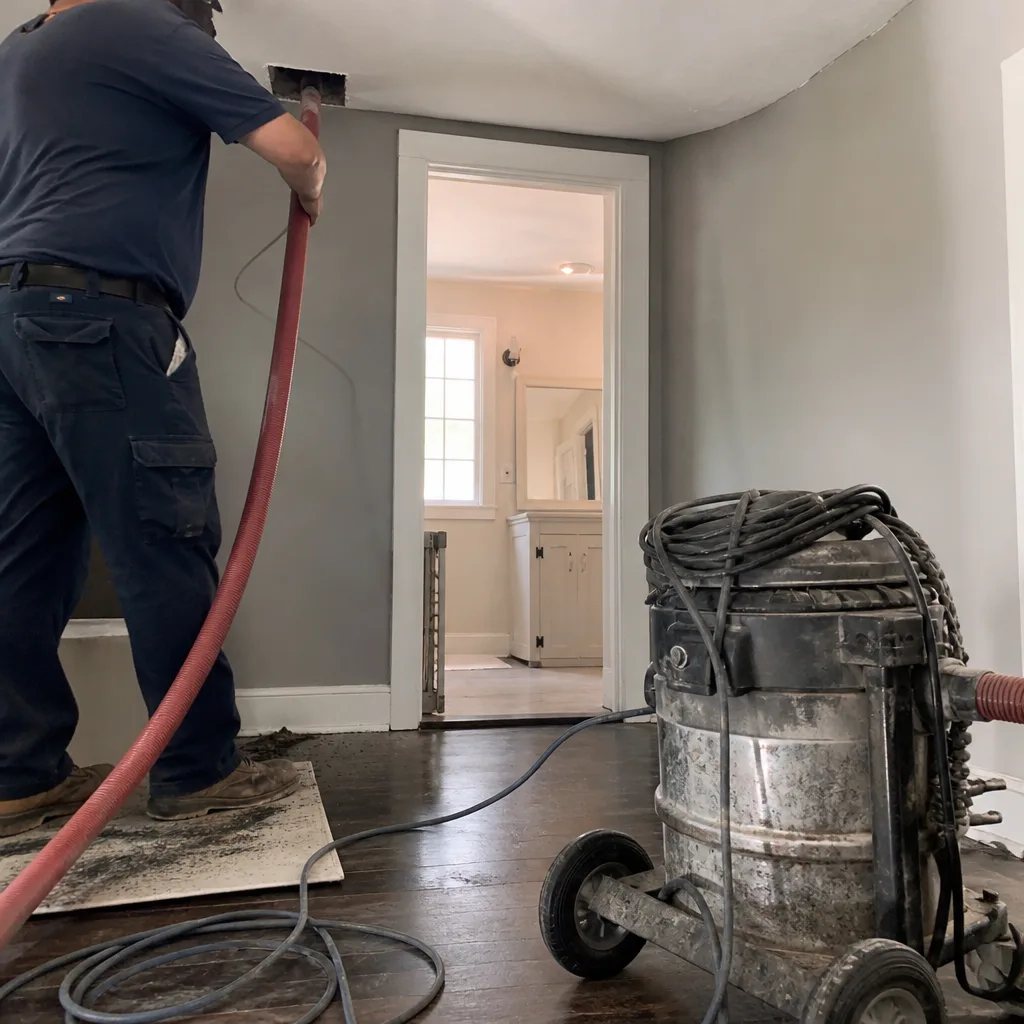 Before
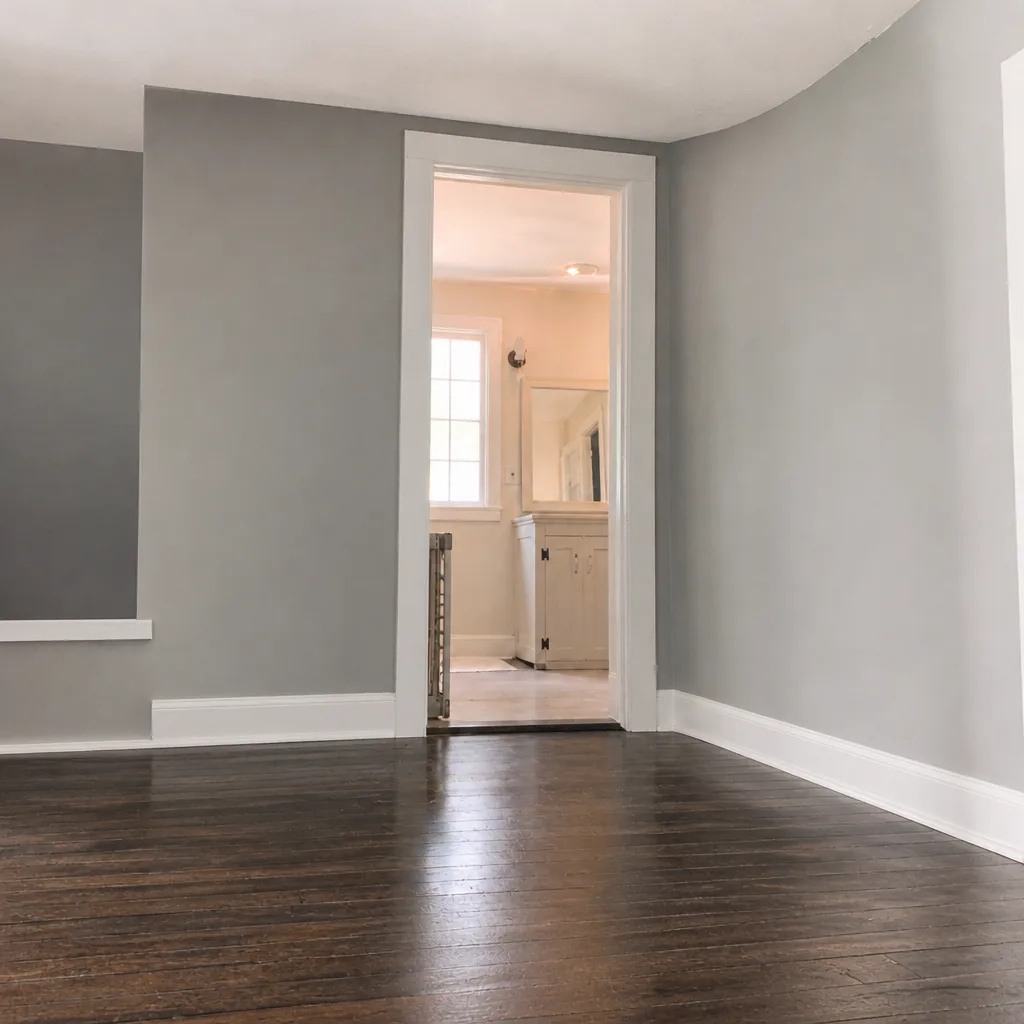 After
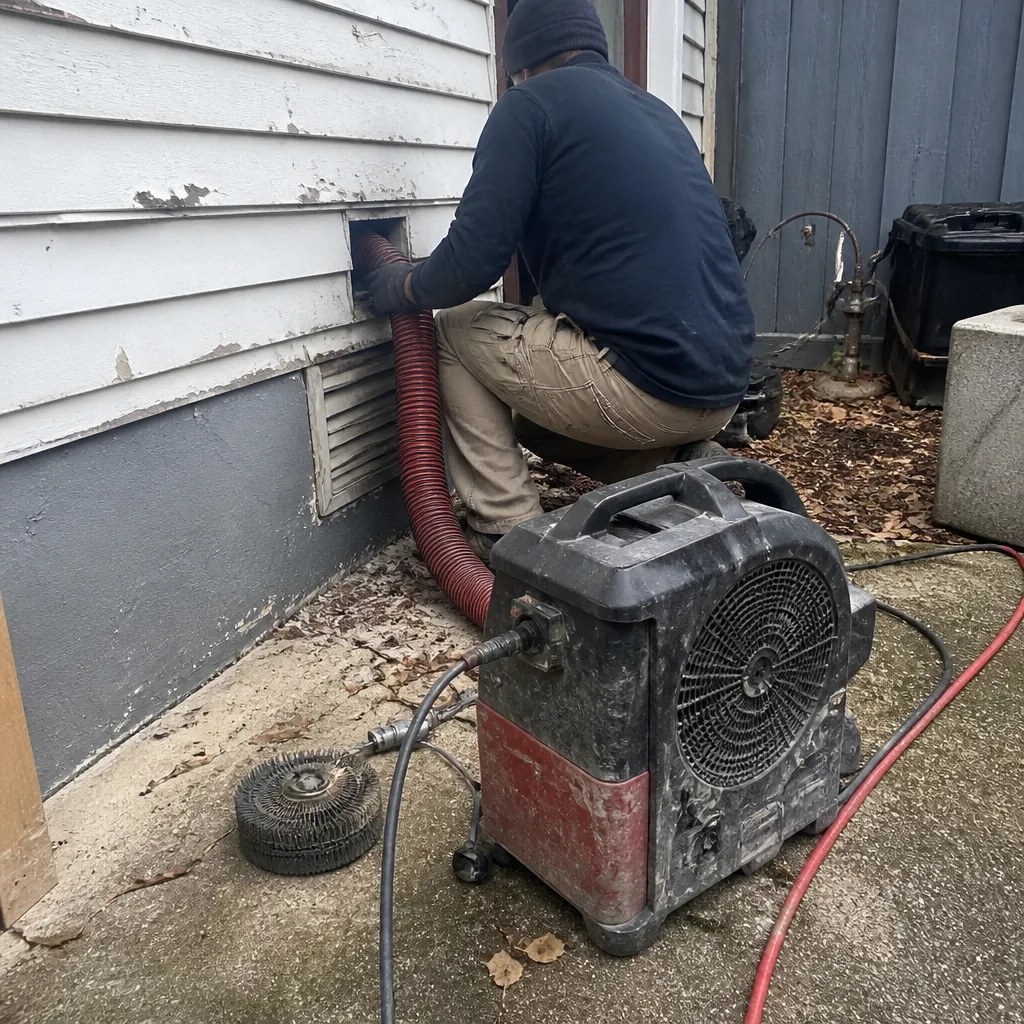 Before
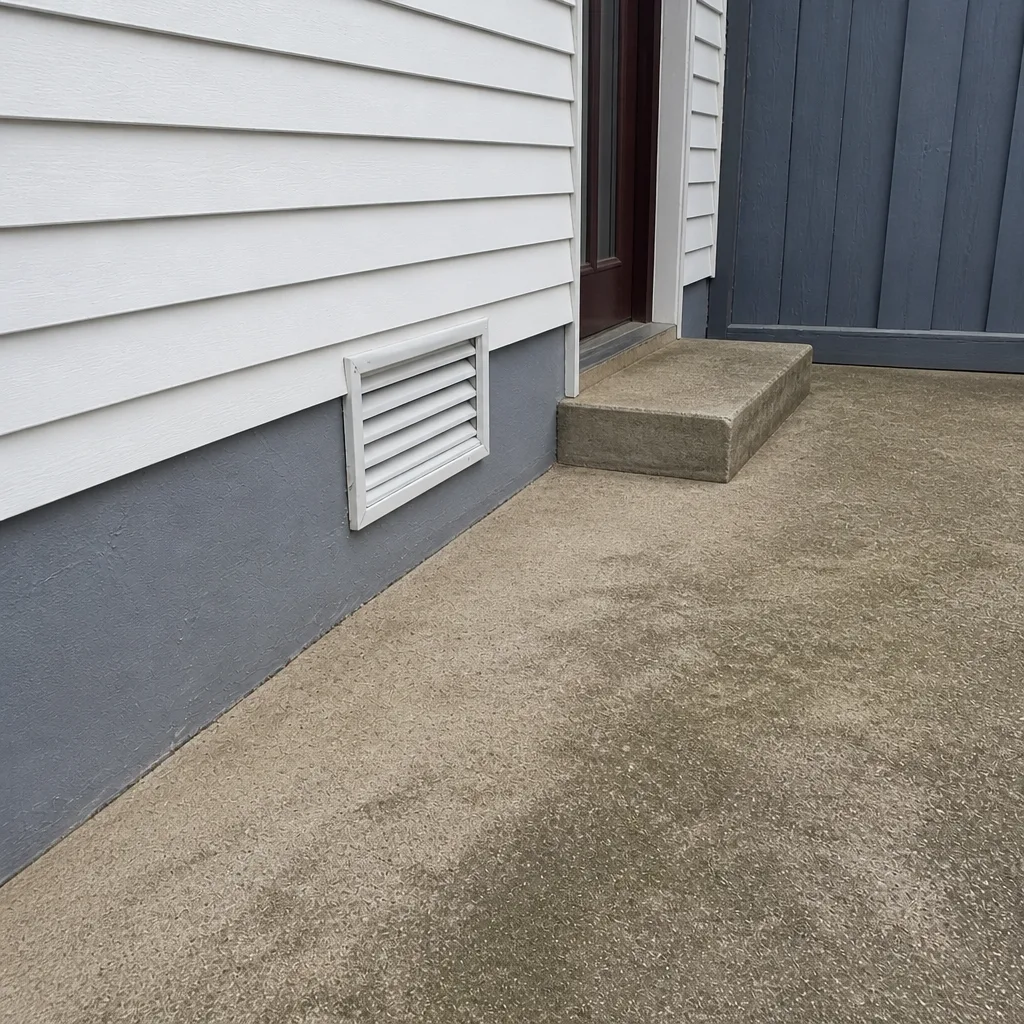 After
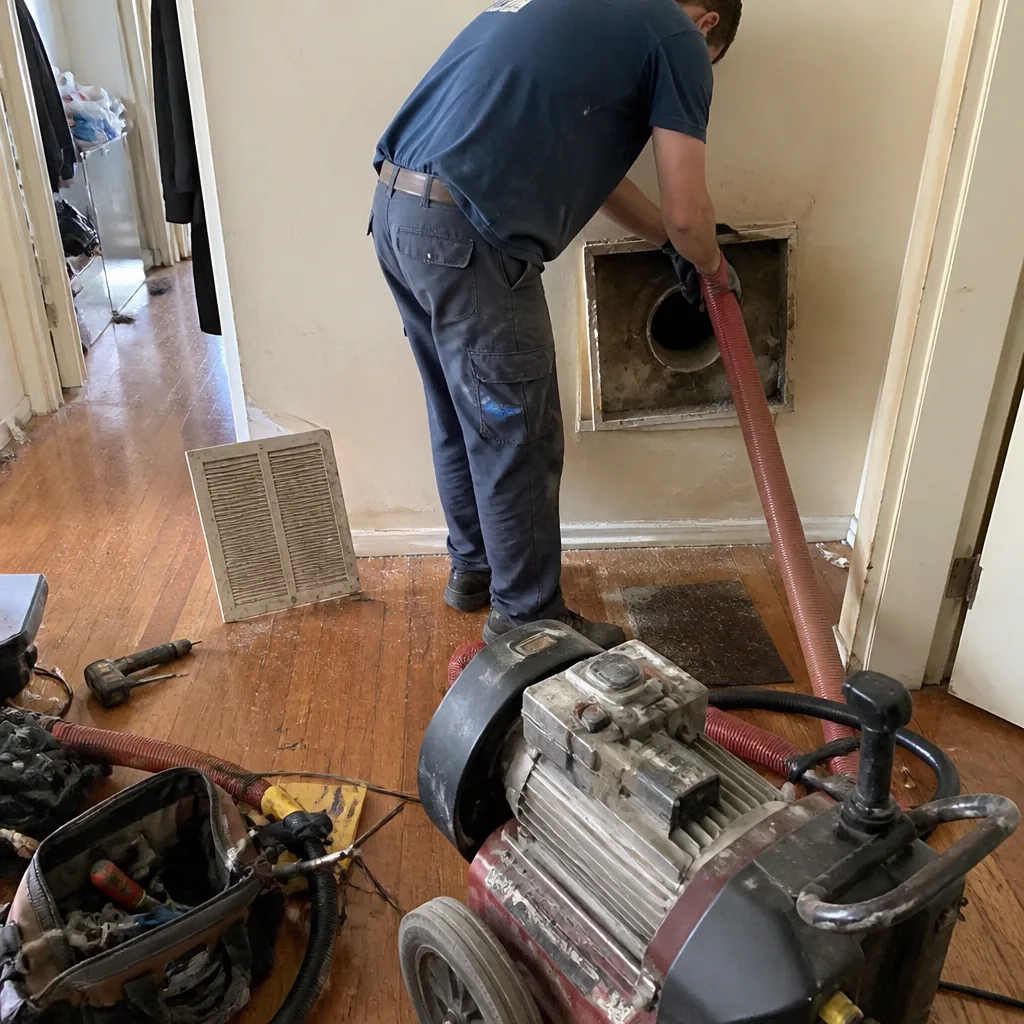 Before
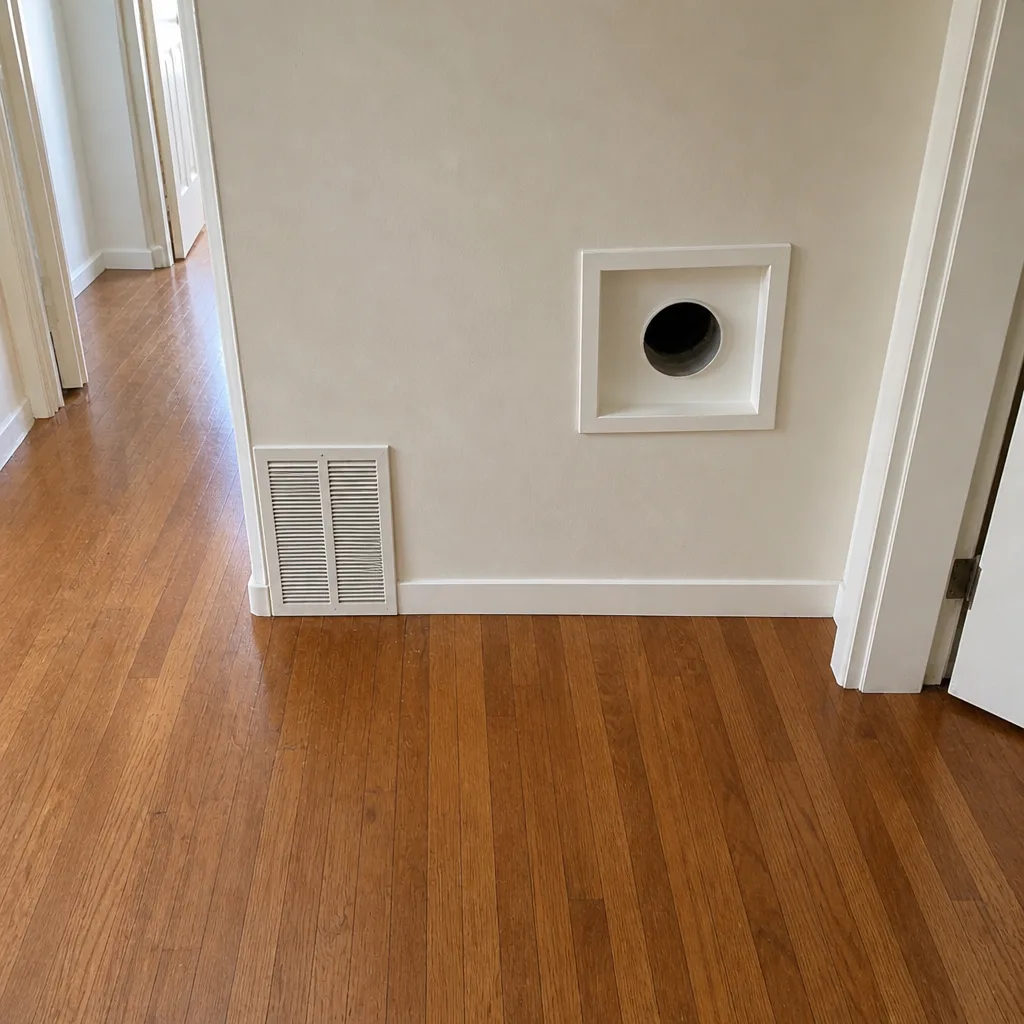 After
Why Our Approach Fits a Storm-Recovery Household
Homeowners in a post-storm scramble need three things: a straight answer about what’s actually in the ducts, a cleaning method that removes contamination instead of shifting it around, and a repair capability if the storm opened a breach. That’s why our team uses a both-steps approach on every job. Rotary agitation with Rotobrush equipment to break material off the duct walls, then Nikro HEPA vacuum capture to pull it into containment. Abatement Technologies filtration equipment for the heavier jobs where remediation-grade capture matters. Honeywell and Aprilaire air quality systems available if you want better filtration set up at the same appointment. And duct repair on the spot if the storm opened a run, instead of handing you a list of problems to call another company about. Our technicians have up to 14 years of experience in New Orleans attics and know what storm damage looks like before it starts smelling.
The Bottom Line
Storm prep in New Orleans needs to include the HVAC system, not just the generator and the shutters. Shut the system down at the breaker before landfall. Inspect the attic ducts, return plenum, and condensate drain before restarting. Document everything with datestamped photos before anything gets touched. Treat the 48 to 72 hour window after moisture exposure as a real deadline, not a suggestion. And if you’re going to file a claim, get the documentation right the first time. A duct system that’s clean, dry, and inspected is one less thing you’re thinking about in the days after a storm. If we can help with that, we’re one call away.
Get a Free Duct Inspection or Cleaning Estimate
If a storm has passed through, or you want a clean, documented baseline before the next one, we’re ready to help. Call (833) 749-5104 for a free estimate. We answer 24/7. Fast dispatch from 7am to 7pm, Sunday through Friday. One flat price per system agreed before work starts, before and after photos on every job, and duct repair handled on the same visit when the inspection finds a breach. Estimates are free, and the written estimate sets the final price.
Written by the team at New Orleans Duct Cleaning.